
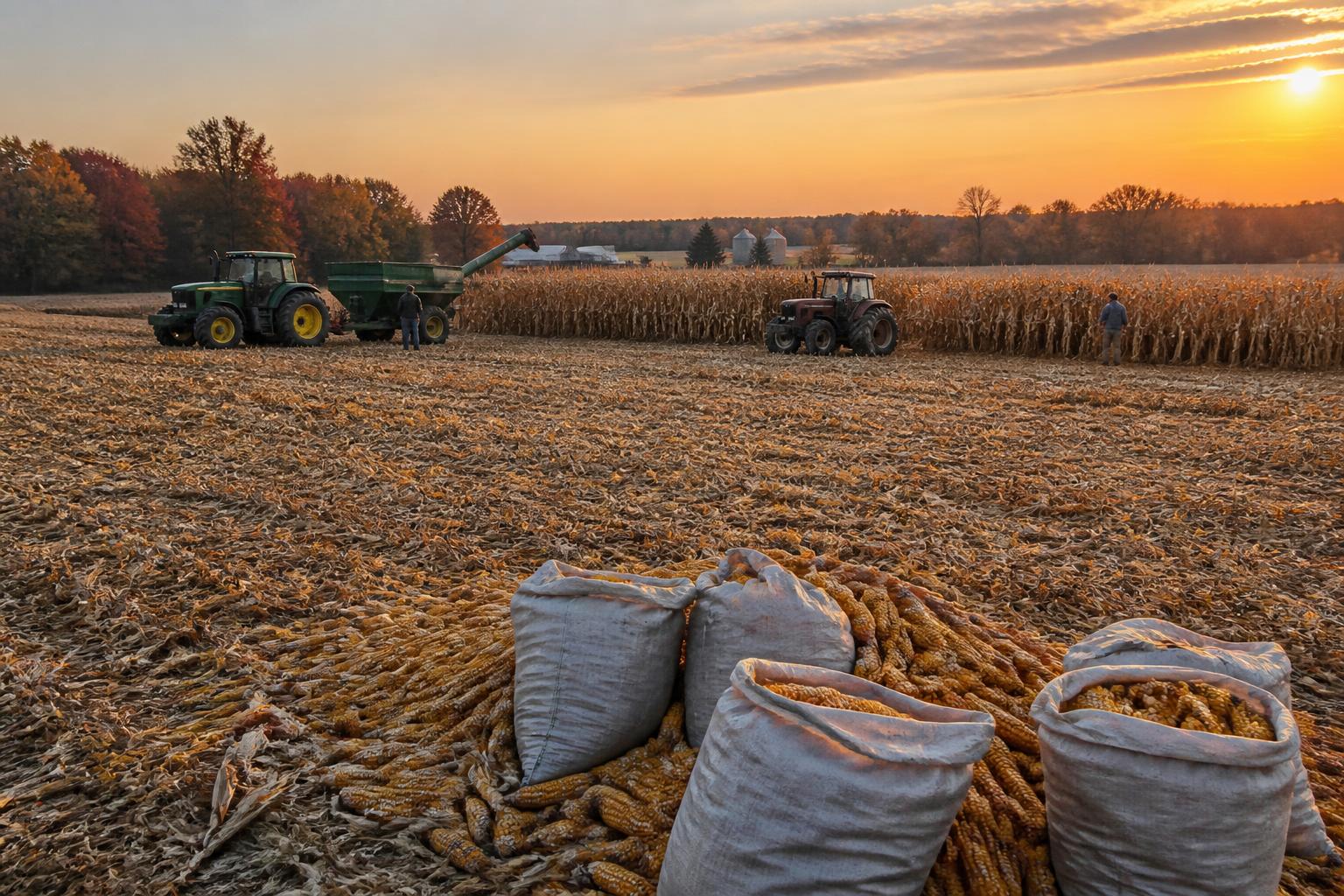
As the Illinois harvest season moves into high gear, producers and local agribusinesses are navigating a landscape defined by significant logistical and operational headwinds. With fieldwork intensifying across the state, from the northern corridors to the river terminals in the south, the pressure to maintain margins in a period of low and steady commodity prices has become a central focus for many farm operations.
Energy costs continue to be a primary variable influencing the bottom line for grain handlers and producers alike. Between the fuel requirements for heavy machinery in the field and the electricity needed for grain drying and storage, the expense of bringing the crop in remains elevated compared to previous cycles. Effective management of margin pressures and proactive planning are often the standard defense against these ongoing cost volatility issues.
Optimizing Logistics in a Tight Market
For those managing the flow of grain from the field to the elevator, the synchronization of local trucking and storage capacity is critical. Delays at receiving points can quickly erode the efficiency of the entire harvest operation. Many operators in the region have found that clear communication with logistics partners helps in navigating operational bottlenecks during the peak movement of bushels. Being aware of local traffic patterns on county roads and state highways is a prudent step to ensure equipment and grain transport move safely and efficiently during these busy weeks.
Proactive Field Management
Beyond the logistical considerations of transport, producers are also keeping a watchful eye on potential yield-limiting factors in the field. Reports of rising pressure from various agricultural pests, such as corn rootworm, highlight the necessity of long-term planning for the upcoming seasons. As farmers wrap up the current harvest, keeping accurate records and assessing field-level data can provide the necessary foundation to mitigate these threats heading into next year.
What it means for the market
For grain handlers and local suppliers, the current environment suggests a continued emphasis on efficiency. As commodity prices remain relatively flat, the ability to contain input costs and streamline transport logistics will be the defining factor for profitability this season. Producers who stay agile and informed about regional transport capacity and cost-saving measures will be better positioned to weather the current market conditions.
Comments
No comments yet - be the first to share your take.