
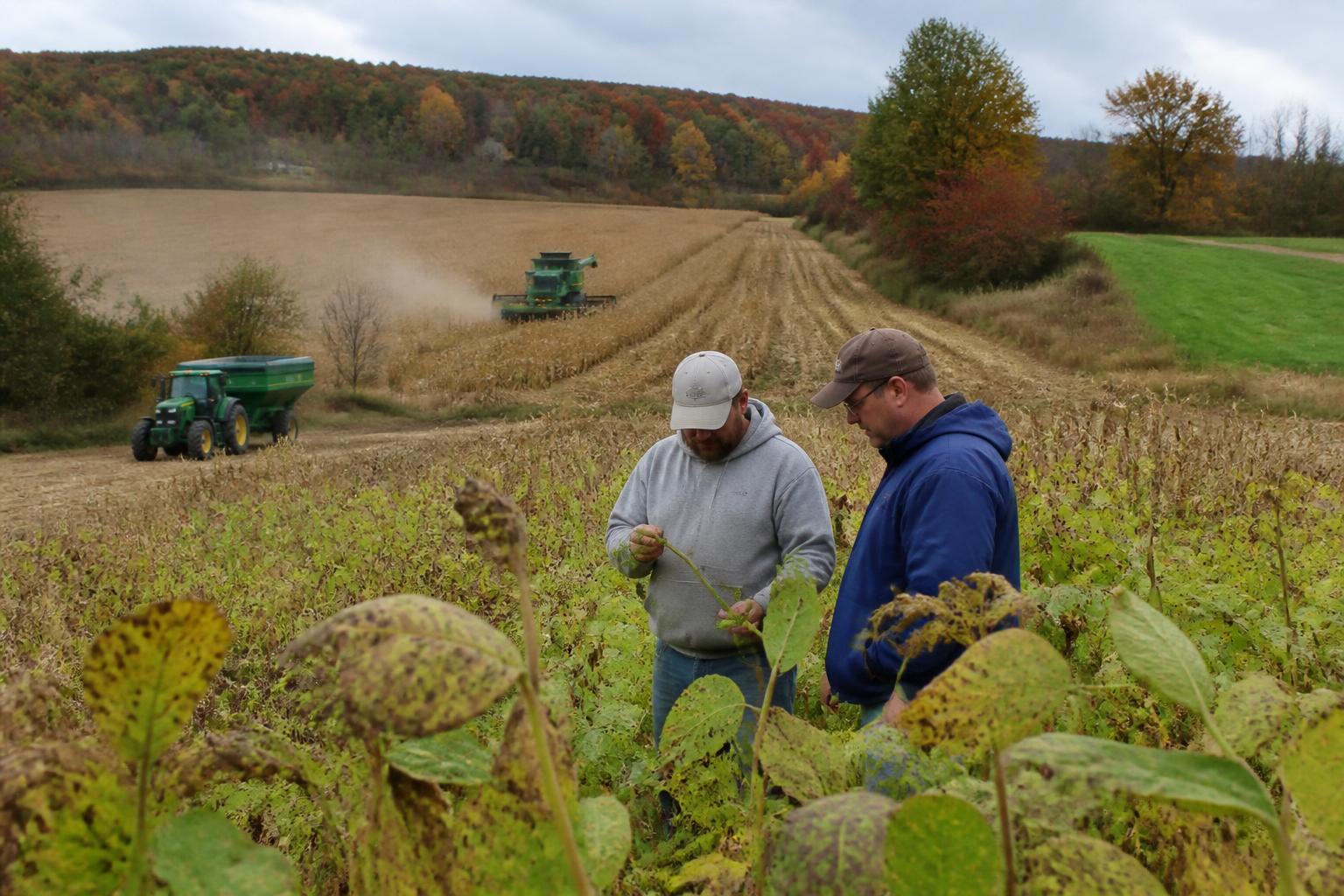
Securing the Future of Connecticut Farmland
For many Connecticut agricultural operations, the current season brings a complex intersection of economic and environmental challenges. While rising production costs continue to weigh heavily on profit margins, local producers are increasingly prioritizing long-term land stability. Recent developments, such as the successful preservation status granted to historic sites like Cromwell’s Phoenix Farm, highlight a growing trend in securing agricultural space against development pressures. By ensuring that prime soil remains in the hands of active farmers, these strategic risk management initiatives provide a necessary buffer against broader market volatility.
Managing Late-Season Pest Pressures
As we transition deeper into the fall, monitoring for invasive threats remains a top priority. Entomologists and state agricultural officials have indicated that populations of the spotted lanternfly are expected to remain high throughout the region. For orchards and vegetable growers, the presence of these pests requires heightened vigilance to protect marketable yields from late-season damage. Implementing robust monitoring protocols now can help prevent significant losses that further strain already thin financial margins.
Navigating Economic Constraints
Across the board, the economic landscape remains challenging. Many producers are reporting that production costs are consistently outpacing revenue, making every decision on inputs and labor critical. In this environment, balancing the need for pest control with operational cost management is essential. Farmers are encouraged to review their seasonal expense reports carefully and explore state-backed assistance or conservation programs that may help offset the financial impact of maintaining sustainable and productive acreage.
What it means for the market
The convergence of high input costs and external threats like invasive insects is forcing a leaner approach to farm management. For the remainder of the season, the focus will likely remain on asset preservation and careful cost-benefit analysis. Producers who successfully integrate long-term protection strategies with proactive pest management will be best positioned to weather the current economic climate and maintain productivity into the next cycle.
Comments
No comments yet - be the first to share your take.