
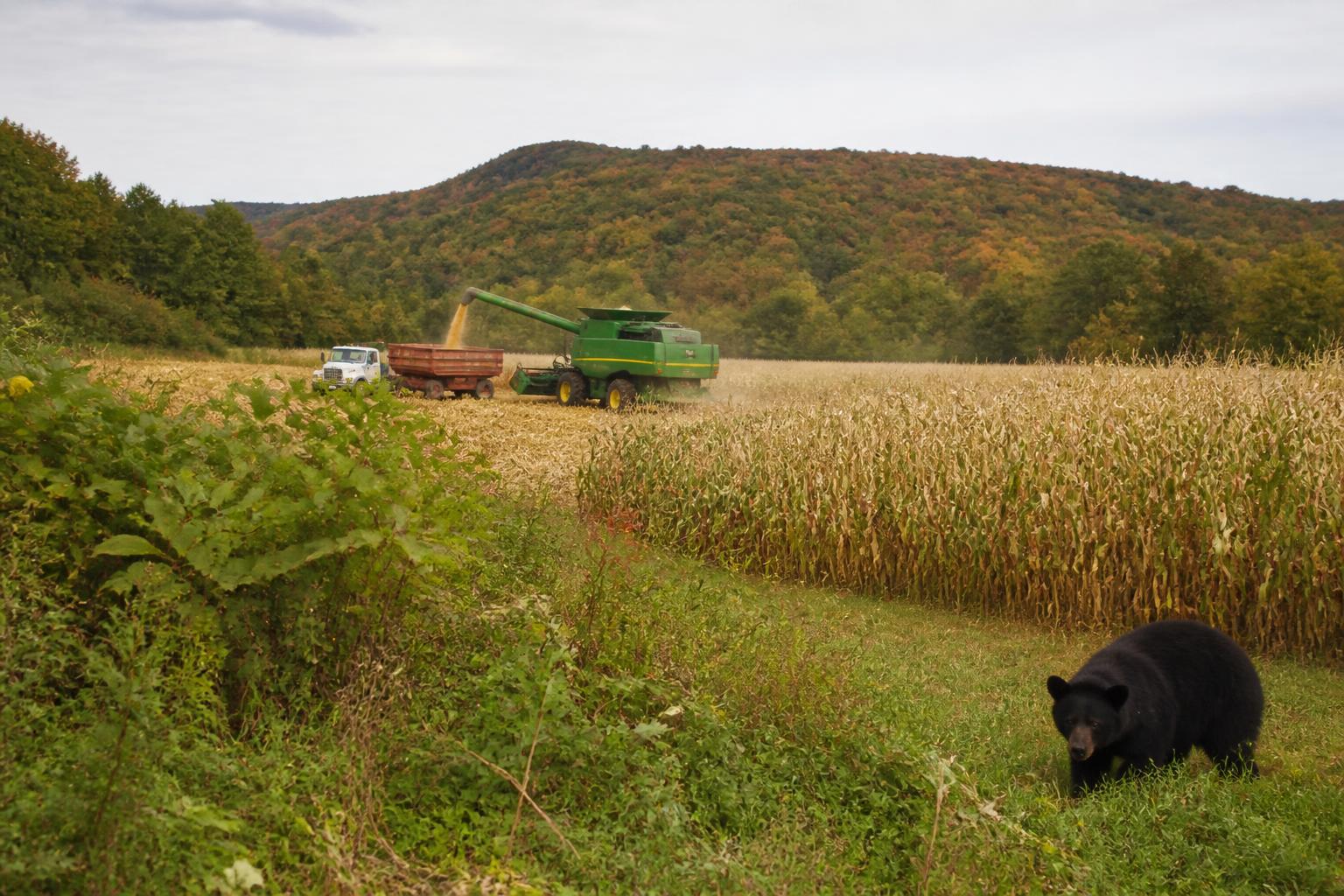
Connecticut's agricultural landscape is currently in a state of transition, requiring producers to balance traditional cultivation methods with modern risk-mitigation strategies. As we move through the harvest season, the pressure from environmental stressors and regulatory shifts remains at the forefront of operational planning. Maintaining land productivity now involves more than just monitoring moisture levels and soil health; it necessitates a comprehensive approach to managing invasive species and external operational threats.
Addressing these challenges requires a focus on long-term viability. For those managing environmental risks and operational pressures, identifying persistent threats such as invasive Japanese knotweed is a crucial step in maintaining field integrity. These plants can quickly compromise native habitats and disrupt standard production cycles if left unchecked, potentially impacting future land development and crop management flexibility.
Navigating External Operational Pressures
Beyond botanical threats, producers are increasingly contending with logistical and regulatory hurdles. Recent industry shifts have highlighted the importance of securing land rights and maintaining regulatory compliance. Whether it involves managing local wildlife interference, such as bear activity in rural corridors, or navigating the complexities of federal aid packages, having a firm grasp on the regulatory framework is essential for protecting the bottom line.
As the state continues to refine how federal disaster relief and support programs are distributed, farmers should prioritize meticulous record-keeping. Establishing clear lines of communication with local agencies and staying informed on shifting herbicide policies can help insulate operations from unforeseen compliance bottlenecks.
What it means for the market
For Connecticut agribusinesses, the current environment demands a defensive strategy. Market stability is increasingly tied to the ability of the producer to adapt to these non-commodity pressures. By investing in proactive land management and ensuring full alignment with state and federal guidelines, operators can better insulate their portfolios against the localized volatility that often accompanies a changing agricultural landscape.
Comments
No comments yet - be the first to share your take.