
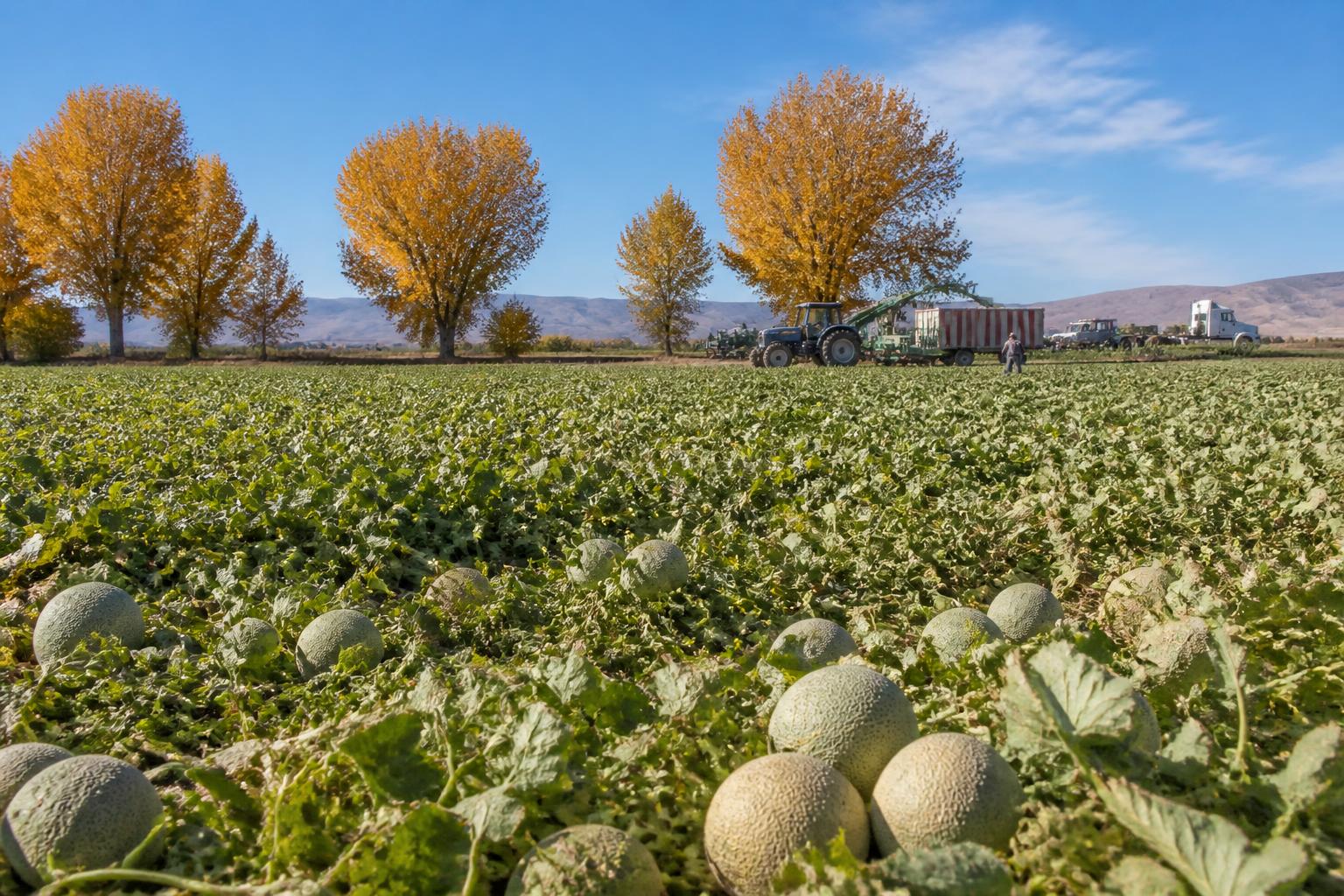
As Nevada farmers transition into the fall season, the focus shifts toward securing necessary soil inputs while contending with a fluctuating global fertilizer landscape. Recent shifts, including updated export thresholds for urea, are creating ripples that reach even remote regional operations, making supply chain management a primary concern for local growers.
For producers in traditional agricultural hubs like the Fallon area, the challenge remains in balancing immediate soil health needs with the broader, often unpredictable, market pricing for nitrogen and phosphate-based products. Whether you are prepping for winter rotations or assessing late-season soil amendments, maintaining consistent fertilizer availability is essential to mitigating risk before the winter months.
Adapting to Global and Regional Supply Shifts
International factors are currently influencing domestic cost structures. For instance, recent adjustments to global export limits for urea—a staple for many Nevada grain and forage growers—highlight the volatility inherent in the current market. As agribusinesses adjust their procurement strategies, understanding how these shifts impact your local coop or supplier is vital. Local growers are increasingly keeping a close watch on how input costs are weighed against expected yields, particularly as water conservation projects continue to reshape regional planting patterns.
Innovation in Soil Management
Beyond traditional NPK applications, there is an evolving interest in specialized inputs. From microalgae-based fertilizers to advancements in sulphur-coated urea, the sector is seeing a move toward products that may offer better efficiency in the arid climates typical of the Great Basin. This follows broader trends in agricultural innovation, where producers seek to maximize every pound of applied product to combat both soil depletion and rising logistics costs.
Furthermore, as research centers across the state continue to explore new soil science methodologies, farmers have more opportunities to optimize their application timing, ensuring that inputs align closely with actual plant needs, thereby reducing waste and unnecessary expense during a period of market uncertainty.
What it means for the market
For Nevada producers, the current environment demands a proactive approach to procurement. Relying on just-in-time delivery may prove risky if global supply chains tighten further during the fall window. Establishing early contact with suppliers and diversifying input types—where soil testing allows—can provide a buffer against sudden price hikes or availability gaps. As we move deeper into the season, staying informed on how regional logistics channels are responding to these pressures will be the key to maintaining operational stability.
Comments
No comments yet - be the first to share your take.