
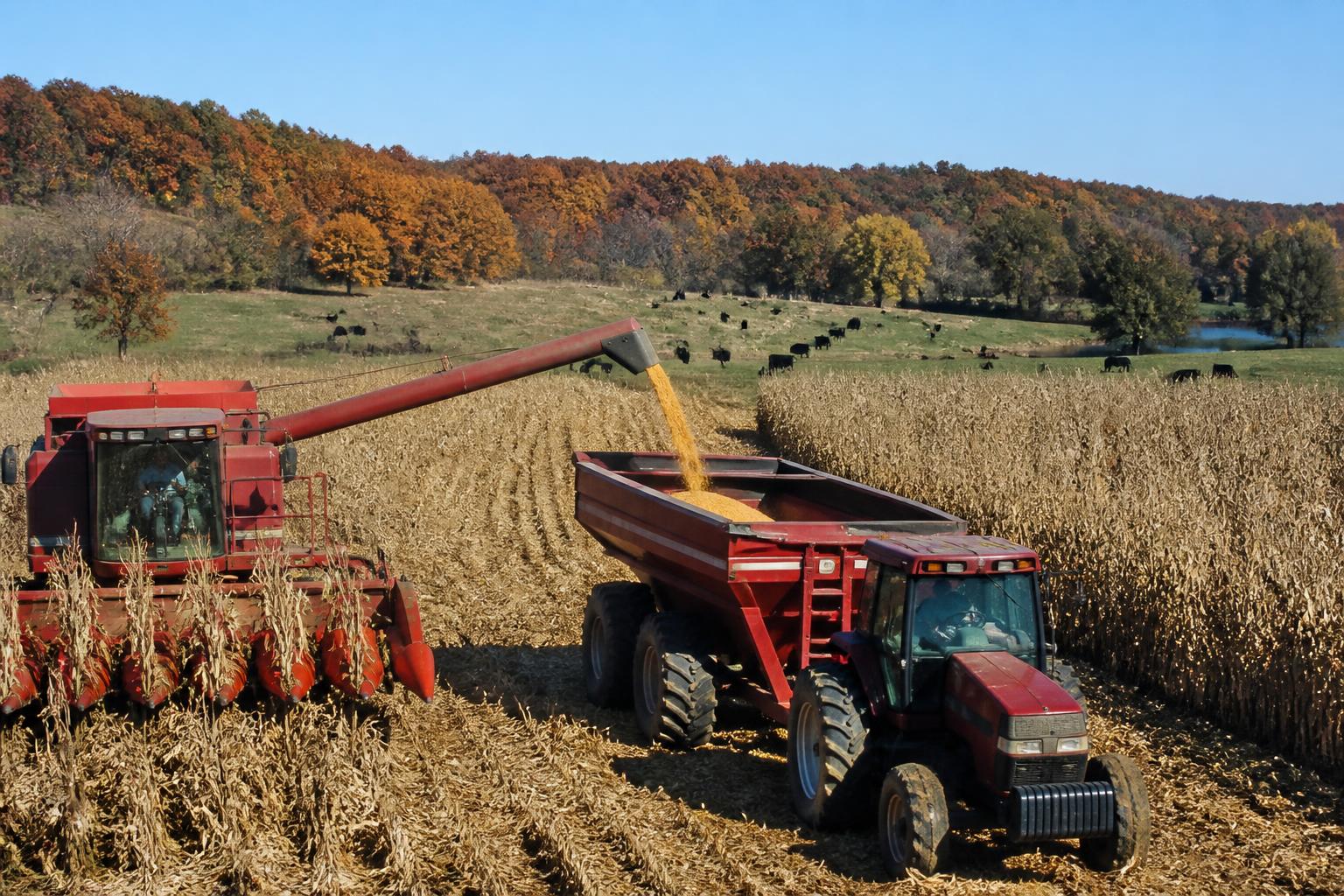
Oklahoma producers are currently navigating a complex intersection of market volatility and regional environmental challenges. With harvest activities beginning to ramp up across the state, the focus for many agribusinesses and operators has shifted toward stabilizing margins against a backdrop of fluctuating input prices and ongoing moisture variability. Local producers are finding that success in the current climate requires a heightened level of precision in both financial planning and agronomic execution.
Prioritizing Soil Health for Long-Term Efficiency
As the fall cycle progresses, attention is turning toward long-term field management strategies. Research from Oklahoma State University continues to emphasize the role of soil fertility in maintaining yield potential in wheat production. By focusing on targeted nutrient application, growers may be able to maximize their return on investment even when input expenses face upward pressure. Efficient soil testing and nutrient management are not just agronomic best practices but essential components of managing input costs and operational risks in a high-stakes market.
Navigating Market Pressures
The broader agricultural landscape remains sensitive to global trade dynamics and supply chain concerns, which continue to influence the pricing of fertilizers and other necessary inputs. For many in the Southern Plains, the cumulative impact of drought conditions and increased operational costs has necessitated a more conservative approach to inventory and procurement. Producers are increasingly looking toward incremental pricing strategies to protect their bottom lines, particularly as they evaluate their position for the upcoming seasons.
What it means for the market
For grain handlers and input suppliers, this season highlights the importance of liquidity and careful inventory management. As producers in regions ranging from the Panhandle to the Red River valley assess their financial footing, those who provide flexibility and transparency in pricing will likely maintain stronger partnerships with growers. Keeping a close watch on regional moisture status and global commodity trends remains the most effective way for Oklahoma agribusinesses to anticipate potential shifts in demand and operational requirements through the remainder of the year.
Comments
No comments yet - be the first to share your take.