
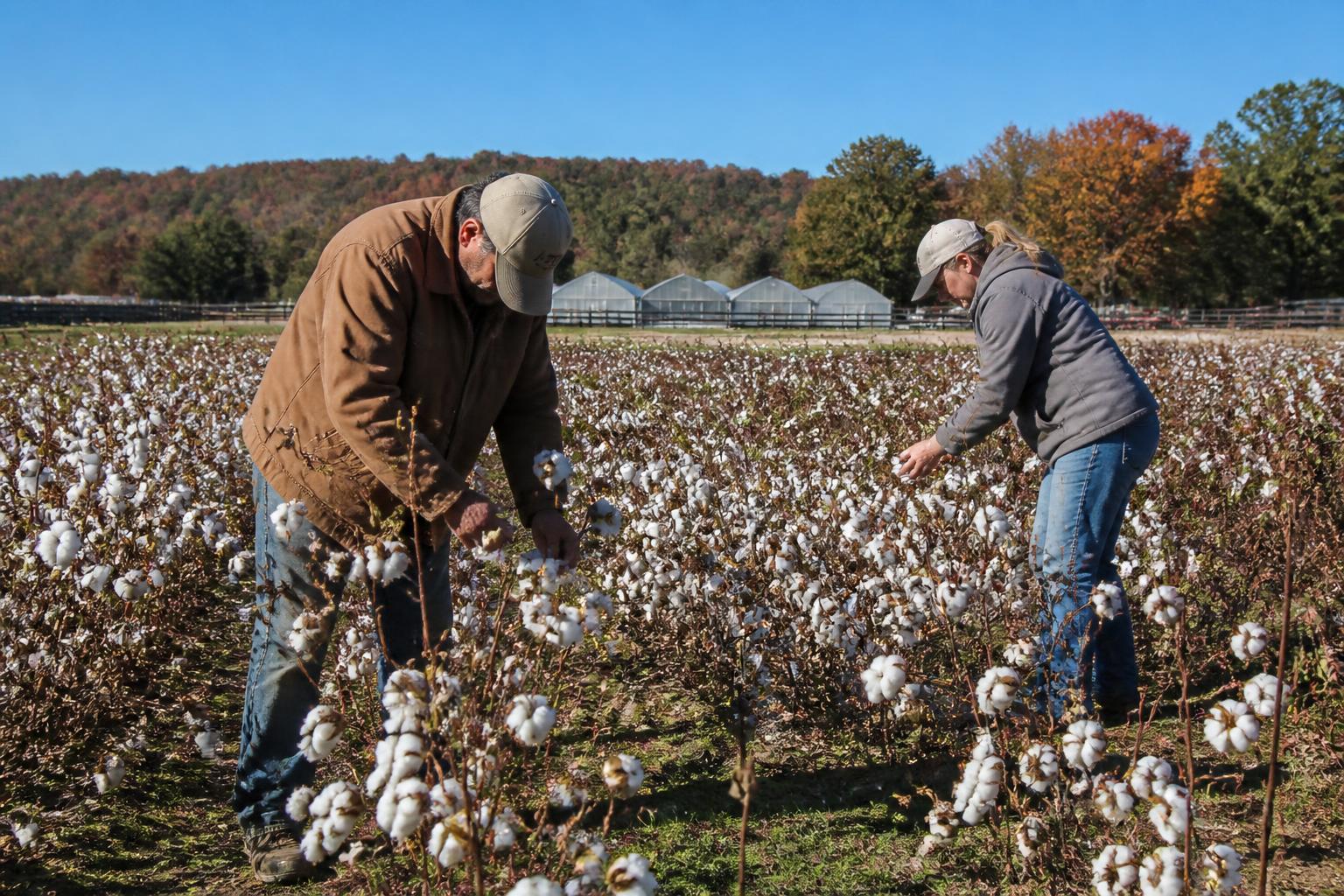
As the fall harvest season kicks into high gear across Virginia, farmers and input buyers are keeping a close eye on the bottom line. With the current agricultural cycle shifting toward final crop assessments and logistics preparations, the pressure of rising input costs continues to be a central theme for producers throughout the state. From the rolling fields of the Shenandoah Valley to the production hubs in the coastal regions, maintaining operational efficiency has become essential as the industry balances these financial hurdles with the demands of a busy autumn window.
Input Cost Pressures and Strategic Planning
For many producers, the current market environment demands careful resource allocation. While the focus naturally drifts toward yield and harvesting, the secondary challenge of managing fertilizer and input expenses remains persistent. Producers are often looking for ways to optimize their efficiency amidst shifting supply chains, particularly as they plan for future rotations. Agricultural leadership has noted the ongoing struggle that cattlemen and crop farmers face when input volatility impacts long-term planning.
Logistical Considerations for the Fall Harvest
Harvest logistics require significant coordination, especially when factoring in local infrastructure constraints. Moving grain from local elevators to regional transport corridors often involves navigating specific weight restrictions and transit regulations. As producers prepare their equipment and manage storage, staying updated on the latest supply chain and input updates can help mitigate potential delays during the peak movement period. Tight coordination between transport providers and regional elevators is frequently the key to preventing bottlenecks.
Protecting Operational Resilience
Maintaining a sustainable operation in the current climate requires more than just high yields. It involves a proactive approach to risk management and infrastructure awareness. As the Virginia grain sector faces ongoing trade and input challenges, many farmers are diversifying their strategies or refining their input usage to insulate their operations against market fluctuations. Success often hinges on the ability to remain flexible while managing both the physical harvest and the accompanying financial variables.
What it means for the market
For Virginia agribusinesses, the coming weeks represent a critical period of transition. Expect continued scrutiny on input pricing and a high demand for efficient logistics as the state's harvest cycle reaches its zenith. Producers who prioritize early planning for next season's inputs while managing current harvest flow will be best positioned to handle the ongoing market pressures throughout the remainder of the year.
Comments
No comments yet - be the first to share your take.