
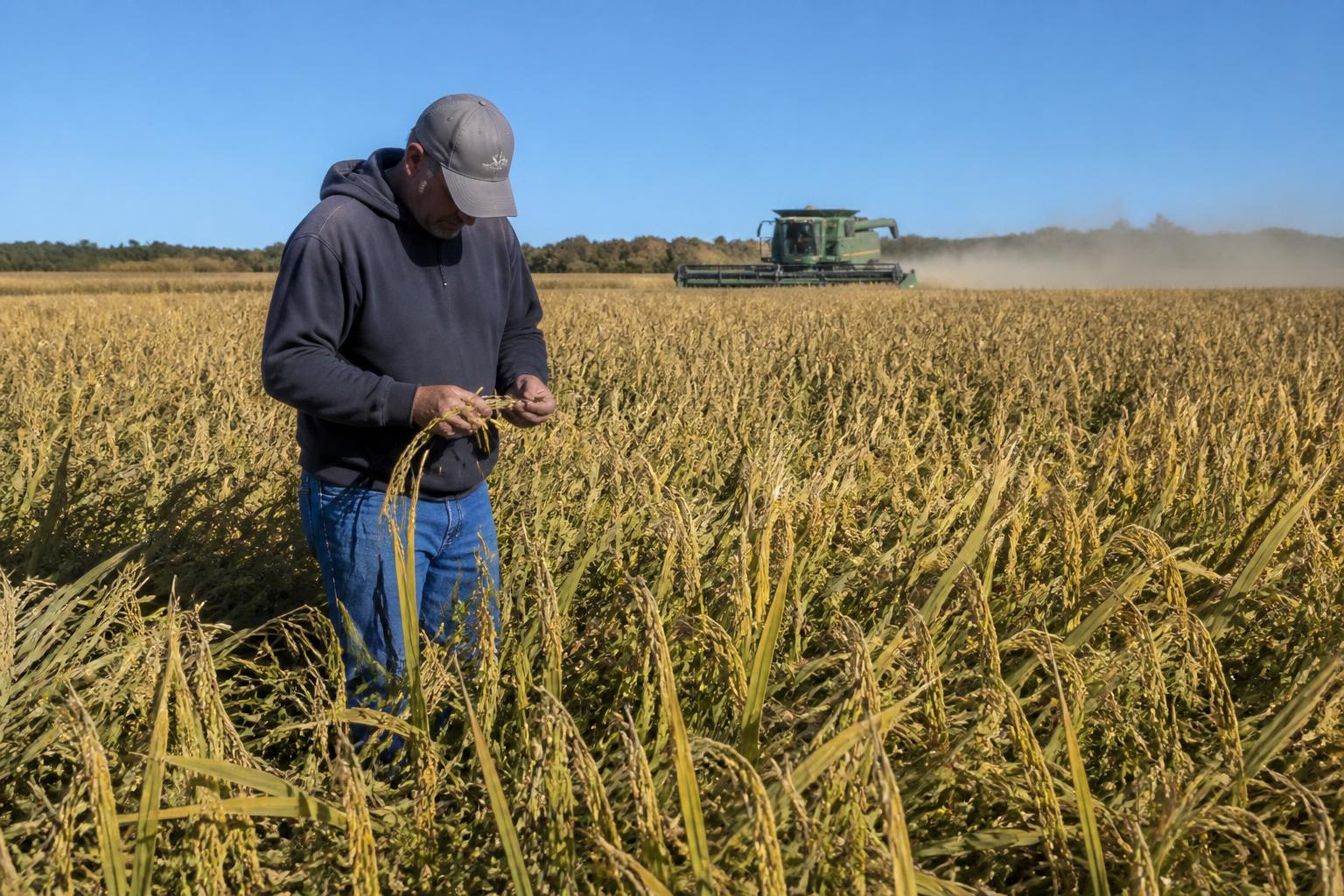
As we transition into the fall season across Texas, the agricultural sector continues to balance operational demands with a tightening cost environment. For many producers, this period is critical for assessing input strategies, particularly as fertilizer markets remain under scrutiny. Recent reports have highlighted ongoing investigations into U.S. fertilizer pricing, an issue that weighs heavily on farm-gate margins already impacted by broader supply chain volatility.
For those managing input logistics as harvest cycles accelerate, the focus is squarely on maintaining cost-effective access to necessary nutrients. While some relief in market pricing is often discussed at the regional level, the reality for many Texas growers remains challenging as input expenses frequently outpace commodity price gains.
Expanding Production and Support
Despite these headwinds, there is movement within the domestic supply space. The federal government has initiated grant programs aimed at expanding domestic fertilizer production capacity, signaling a potential long-term effort to mitigate reliance on volatile global supply chains. For Texas agribusinesses, these initiatives may eventually provide a more stable foundation for seasonal procurement, especially as producers evaluate their shifting input costs heading into the coming production cycles.
Strategic Planning for Producers
In the near term, the most effective approach for handlers and growers involves staying informed on both local inventory availability and broader policy shifts. While legal and regulatory reviews of the phosphate market continue, producers are encouraged to work closely with their regional suppliers to lock in requirements early where possible. Maintaining tight control over procurement timelines and leveraging available data resources can help buffer against sudden price shifts as we move deeper into the fall months.
What it means for the market
Texas producers should anticipate continued, though perhaps evolving, pressure on fertilizer costs throughout the remainder of the year. While government efforts to incentivize domestic production show promise, immediate operational decisions should prioritize lean inventory management and early-season planning to navigate current margin squeezes effectively.
Comments
No comments yet - be the first to share your take.