
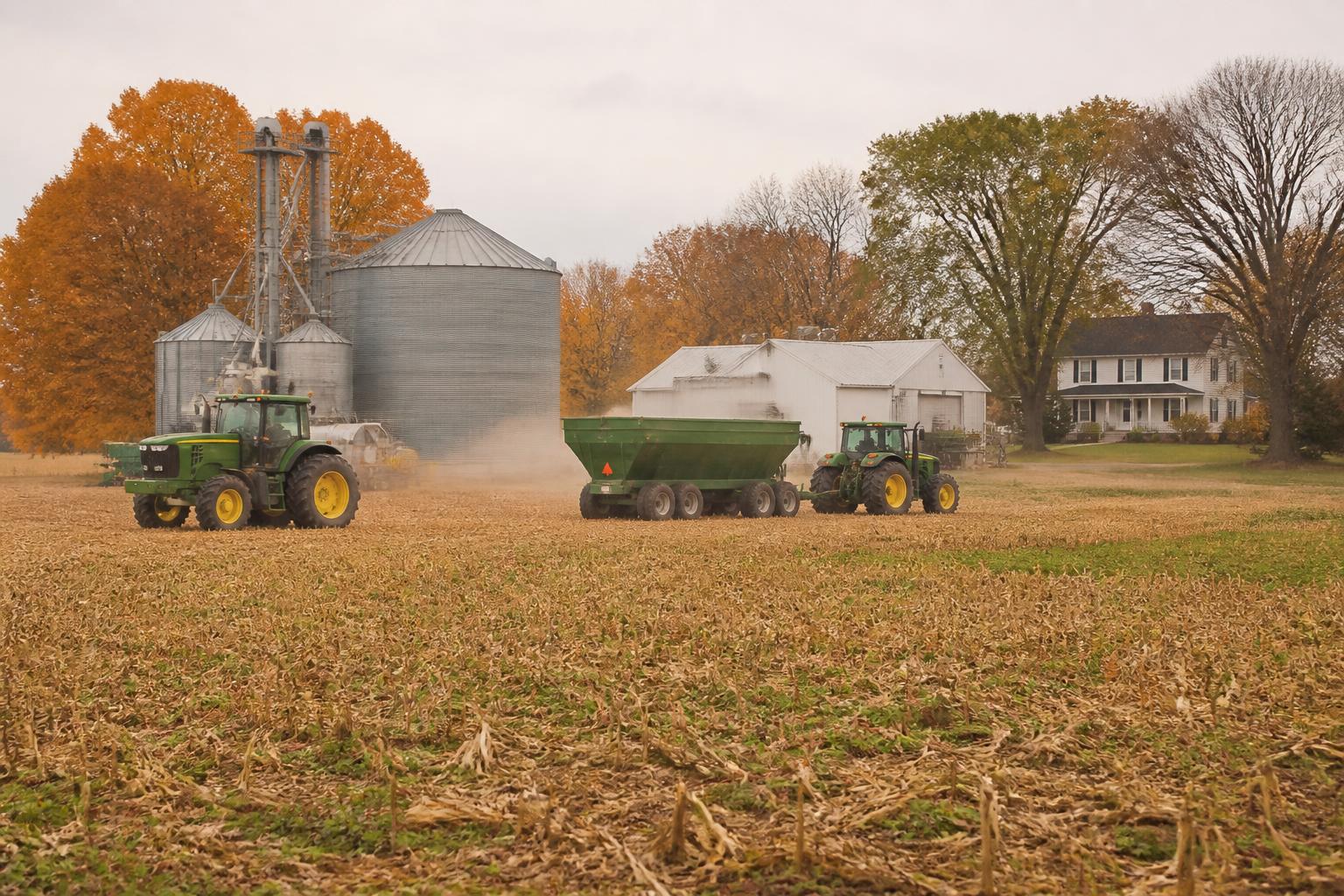
With the autumn season settling in, Ohio farmers are transitioning their focus toward critical nutrient management tasks. Whether operators are preparing for dry fertilizer applications or fine-tuning existing setups, the mechanical condition of spreading equipment remains a cornerstone of efficient input utilization. Proper calibration and maintenance of spinner spreaders are essential to achieving uniform nutrient distribution, which ultimately supports long-term field productivity and helps manage input costs effectively.
Refining Nutrient Strategies for Soil Health
Precision is increasingly important as the industry continues to balance soil health with evolving input costs. For many, this involves a careful look at how potassium and other key nutrients are managed during the post-harvest window. Understanding crop yield response to specific fertility programs can assist in making informed decisions about how much to invest in soil reserves before the next planting season.
As growers refine their plans, it is worth noting that site-specific requirements often change from field to field. Integrating data from recent crop performance into your fertility planning is a proven way to improve outcomes. Those looking to tighten their procurement strategies should monitor local supply availability closely as seasonal demand fluctuations can impact logistics and pricing.
Operational Best Practices
Beyond the chemistry, the physical logistics of field work require attention to detail. Whether you are operating on heavy clay soils or lighter ground, ensuring your machinery is in peak condition is vital for preventing delays. Always keep an eye on environmental considerations when planning application windows, as local guidelines regarding nutrient placement and runoff prevention are designed to protect water quality while maintaining production viability.
What it means for the market: As the state moves further into the fall, local demand for key fertilizers is expected to remain firm. Producers who prioritize equipment maintenance now, rather than waiting for the peak of the season, may find themselves better positioned to manage logistics and take advantage of favorable application windows, reducing both stress and potential field loss.
Comments
No comments yet - be the first to share your take.