
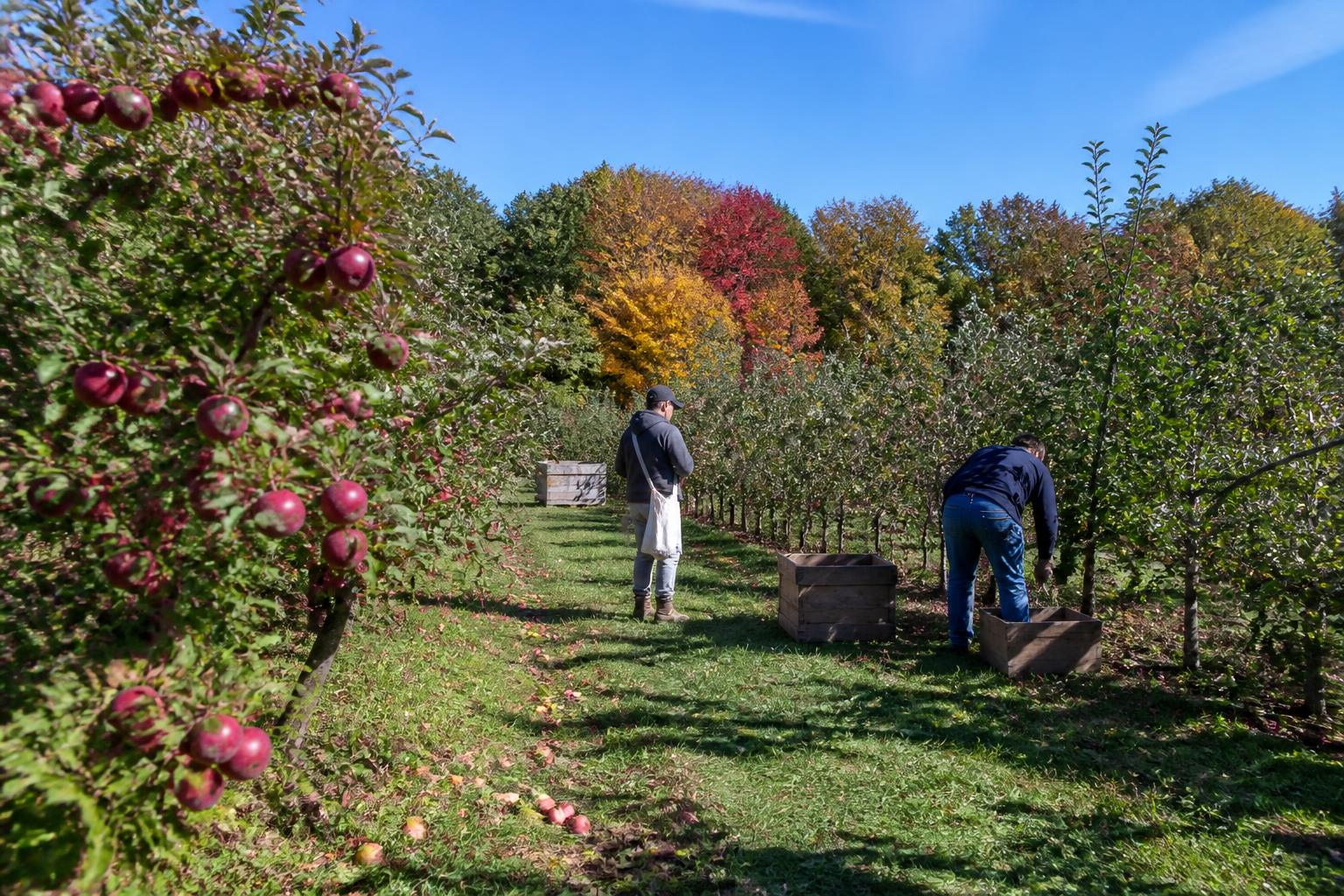
As the fall harvest season accelerates across Rhode Island, the state's agricultural community is navigating a complex landscape defined by infrastructure evolution and long-term land preservation. From the coastal fields of Newport County to the bustling greenhouse operations in Exeter, operators are increasingly looking toward sustainable energy solutions to manage rising operational costs.
Energy remains a focal point for modern agribusiness, with recent regional developments highlighting new incentive programs for large-scale greenhouse projects that integrate solar power. This shift reflects a broader trend among state growers seeking to hedge against price volatility while aligning with state-wide environmental goals. These efforts, combined with ongoing discussions regarding trade assistance and climate-focused grant opportunities, underscore the practical necessity for producers to remain agile in a changing market.
Prioritizing Land and Operational Resilience
The imperative of land preservation continues to be a central theme for the regional industry. As development pressures persist in many parts of the state, the long-term viability of local farms depends heavily on secure access to arable soil. For producers, the challenge lies in balancing the maintenance of heritage operations with the adoption of modern technology, such as strategies for sustaining local agriculture through improved land access.
Beyond land use, the industry is also closely monitoring the intersection of policy and production. Growers are currently engaging in dialogue about transparency in food production and the regulatory framework surrounding specialty crops. Whether it involves traditional apple orchard management or emerging hemp production, the ability to navigate these institutional layers is as critical as the harvest itself.
What it means for the market
For agribusinesses and logistics providers, the coming months will likely emphasize the importance of regional supply chain stability. As harvest activity peaks, producers who align their operational infrastructure with available energy and conservation incentives may find themselves better positioned for the upcoming fiscal year. Market participants should keep a close watch on how federal and state-level climate funding influences future capital investments, particularly as the industry looks to sustain its foothold in the local economy throughout the winter transition.
Comments
No comments yet - be the first to share your take.