
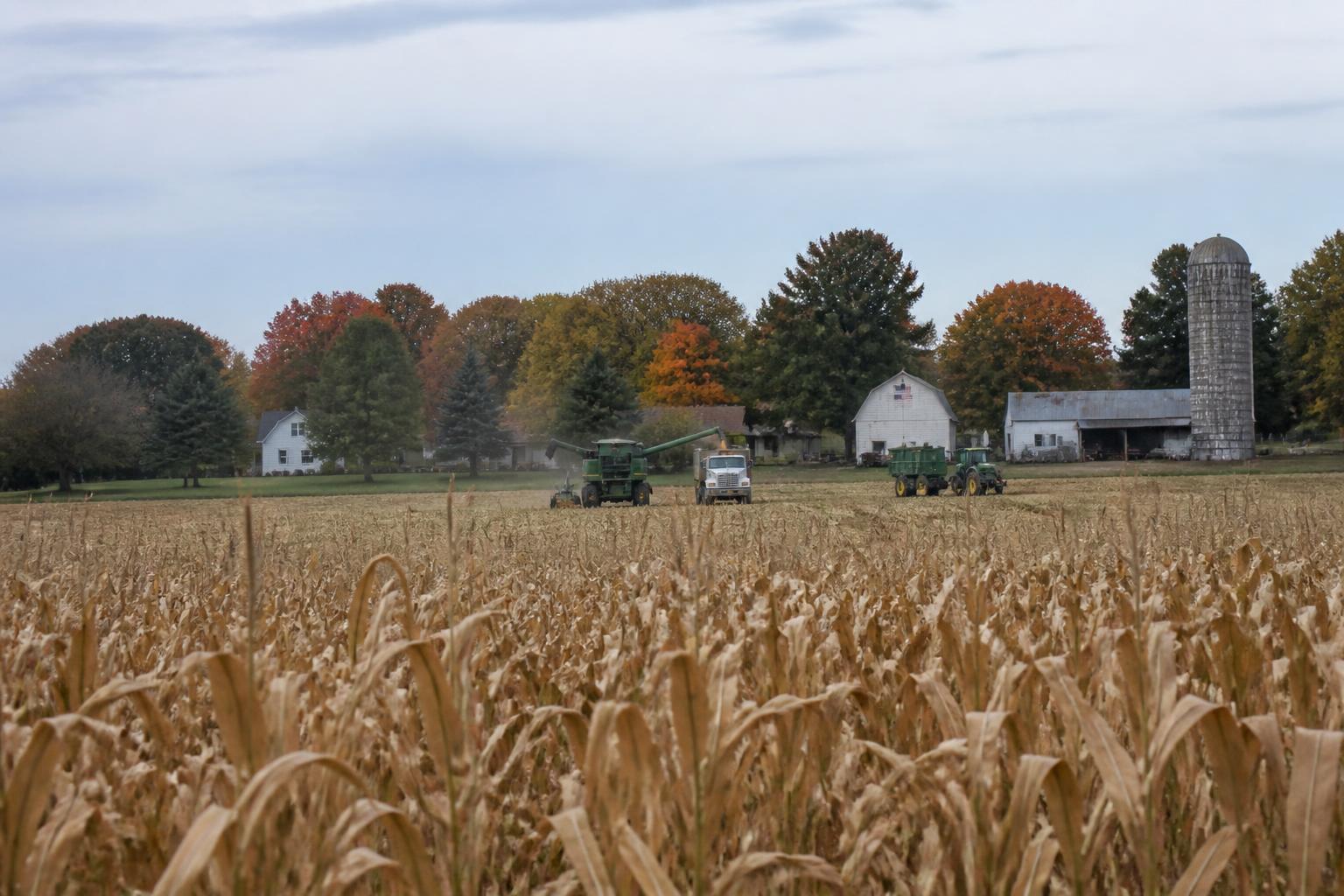
Florida's agricultural landscape continues to navigate the complexities of supply chain management and volatile input costs. As the industry moves into the fall season, producers across the state—from the citrus groves of the central ridge to the diverse crop regions of the south—are carefully assessing their operational budgets against evolving fertilizer price pressures.
Market participants have observed that major industry players are adjusting their domestic phosphate production footprints, citing ongoing challenges with input expenditure. For Florida agribusinesses, this signifies a period of continued vigilance. While logistical efficiency remains a priority, the ability to secure necessary crop nutrition without compromising long-term sustainability is becoming a central concern for many local farming operations.
Understanding Input Market Pressures
The broader agricultural sector is currently debating the efficacy of current safety nets, with federal policy discussions highlighting the need for stability in the face of unpredictable production risks. Whether navigating operational pressures in fertilizer management or addressing the aftermath of extreme weather events, Florida farmers are increasingly leveraging data-driven insights to optimize their resource allocation. Maintaining a clear view of regional supply shifts is essential for mitigating the impact of industry-wide production pivots on local farm-gate prices.
Key Takeaways for Producers
- Supply Variability: Adjustments in manufacturing output, particularly regarding phosphate, are influencing availability and pricing structures.
- Risk Management: Producers are encouraged to evaluate their procurement strategies, ensuring flexibility during periods of heightened market volatility.
- Policy Watch: Ongoing federal discussions regarding the next farm bill may offer insights into future support mechanisms and risk management tools available to regional growers.
What it means for the market: Producers should anticipate a sustained period of market sensitivity regarding input procurement. By prioritizing efficient nutrient application and maintaining close communication with local suppliers, growers can better navigate the current economic environment and position their operations for a productive cycle ahead.
Comments
No comments yet - be the first to share your take.