
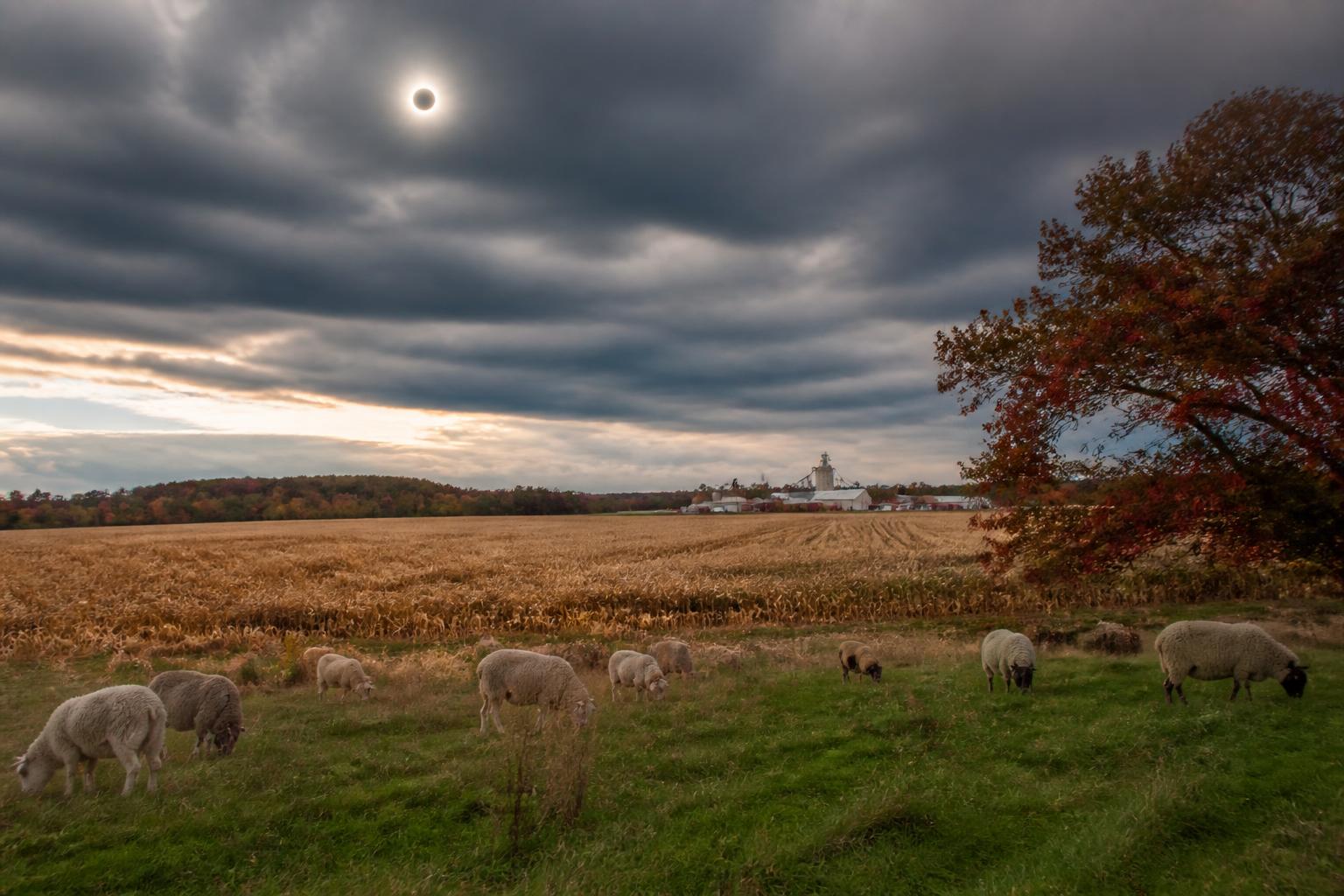
With the September harvest season now at its peak across Alaska, producers are balancing the final push to bring in crops with the mounting pressures of wildlife intrusion. As native animal populations shift their behavior to prepare for the coming winter, agricultural operations in the Matanuska-Susitna Valley and the Tanana Valley often find themselves in direct competition with local wildlife seeking high-calorie food sources before the first hard frosts.
Protecting vulnerable yields requires a proactive approach to site security. Many growers across the state are reassessing their seasonal crop protection pressures to ensure that fences, perimeter deterrents, and noise-based mitigation tools are performing effectively. Even minor breaches in fencing can lead to significant losses, particularly for late-season brassicas and root vegetables that remain in the ground during these cooling weeks.
Evaluating Physical and Behavioral Deterrents
Integrated pest and wildlife management is rarely a one-size-fits-all solution. In many coastal and interior regions, physical barriers remain the primary line of defense. However, constant monitoring is crucial as animal activity patterns change with the dwindling daylight. Producers should inspect perimeter integrity daily, specifically looking for signs of burrowing or climbing that may have been missed during the height of the summer.
Beyond physical barriers, incorporating varied deterrents can keep wildlife from habituating to a single threat. Some operations utilize randomized audio signals or reflective materials to discourage intrusion, though these are most effective when rotated or combined with standard fencing practices.
Maintaining Field Hygiene
As harvest progress continues, site hygiene plays a massive role in reducing unwanted animal traffic. Removing post-harvest residue and cull piles promptly can prevent fields from becoming an attraction for scavengers. In the unpredictable climate of Alaska, where environmental shifts can accelerate or delay animal migration, maintaining a clean harvest environment is one of the most reliable ways to minimize the risk of secondary crop damage.
What it means for the market
For Alaska-based agribusinesses and producers, the current focus on crop security reflects a broader need for resilience. By tightening management protocols now, farms can ensure that their total marketable yield remains high despite increased wildlife pressure. Protecting these final-stage assets is vital to meeting local supply commitments and maintaining the viability of the state's diverse agricultural sector through the final weeks of the harvest window.
Comments
No comments yet - be the first to share your take.