
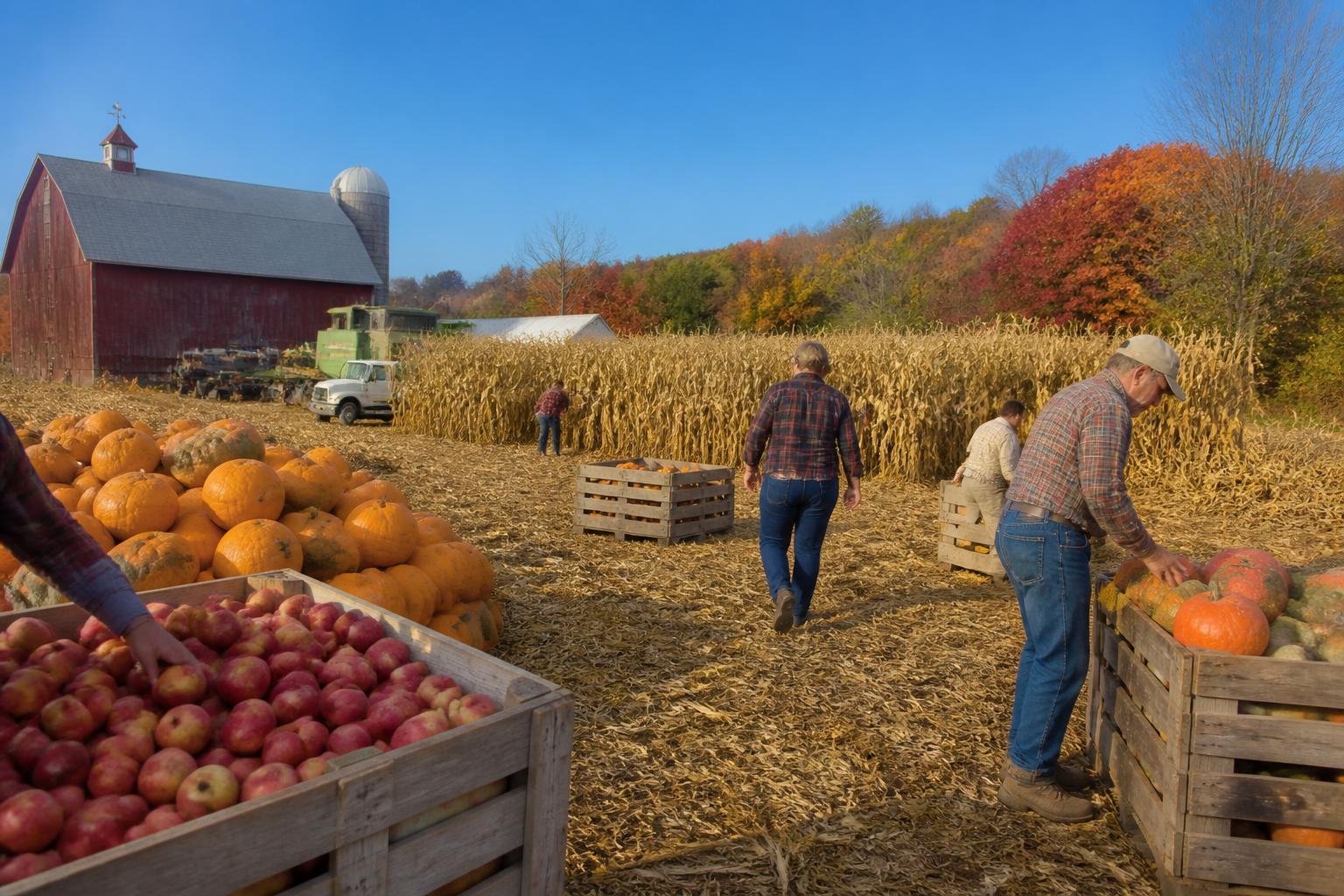
As the fall season takes hold across Rhode Island, agricultural producers are shifting their focus from field maintenance to harvest preparations. For grain growers in the region, this time of year often necessitates a close look at both local logistics and the influence of larger commodity market trends. While the scale of grain production in the Ocean State differs from the vast expanses of the Midwest, the necessity for strategic planning remains a constant.
Understanding local market dynamics is essential for those looking to sell grain in Rhode Island efficiently. Producers often find that navigating the balance between operational overhead and current market prices requires staying informed about regional infrastructure and storage availability. Efficiency at the grain elevator or storage site can make a significant difference in a season where margins may be impacted by external economic factors.
Navigating Economic and Logistical Challenges
Agribusinesses and family farms alike are currently assessing how global market pressures and local input costs are shaping the bottom line. It is a period where many producers are evaluating their long-term strategies for navigating fall markets and operational costs. With the harvest cycle in full swing, managing grain moisture levels and timing deliveries to local buyers are critical tasks that influence profitability.
Furthermore, the regional agricultural community continues to adapt to shifts in land use and infrastructure. These adjustments require a proactive approach to ensure that the unique requirements of Rhode Island farms are met during the busy harvest months. Whether dealing with small-scale specialty grains or traditional varieties, the emphasis remains on optimizing post-harvest handling to ensure quality remains high until the final sale.
What it means for the market
For Rhode Island farmers, the current market climate underscores the importance of local supply chain resilience. By focusing on efficient post-harvest logistics and remaining attentive to shifts in both operational costs and market demand, producers can better position themselves to mitigate volatility. Successful management during this fall season relies on clear communication with grain handlers and an agile approach to shifting agricultural conditions.
Comments
No comments yet - be the first to share your take.