
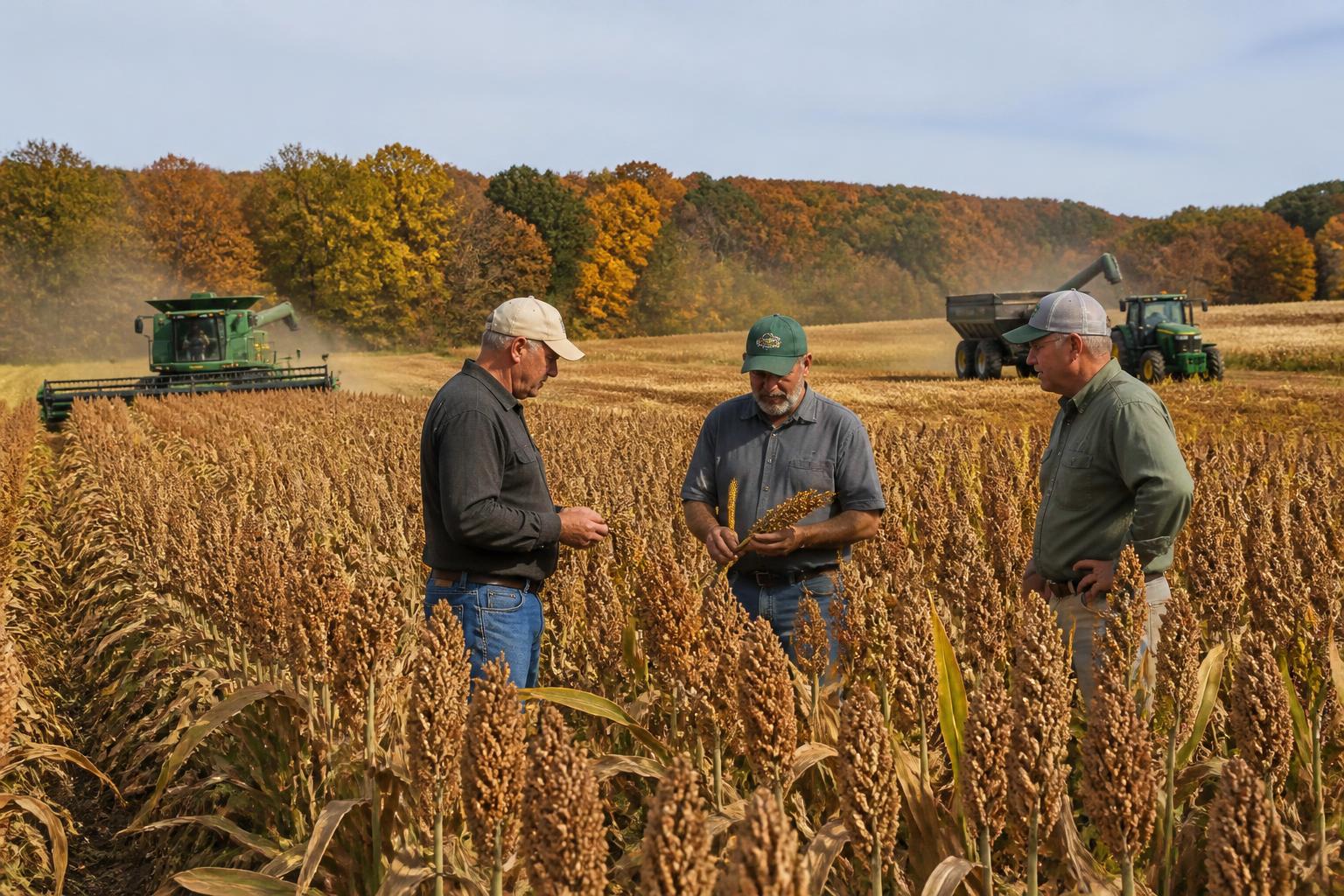
Navigating Variable Harvest Conditions
As the fall harvest season progresses across Colorado, producers are closely monitoring crop conditions. The transition into cooler temperatures brings both the expected seasonal rhythm and the potential for late-season weather impacts. For growers of sorghum and other late-season crops, recent temperature fluctuations have prompted concerns regarding potential frost damage, which can complicate moisture management and influence final grain quality at the scale.
Maintaining effective grain storage and logistics is particularly critical during this period of variable weather. Efficient handling at the elevator level remains a priority, as moisture levels in harvested grain must be closely managed to avoid storage degradation during the upcoming winter months. Farmers are encouraged to coordinate closely with their regional grain handlers to ensure smooth intake processes as volumes increase.
Market Outlook and Regional Coordination
The Colorado agricultural landscape continues to see shifts in how producers approach both local and international market partnerships. While international economic cooperation may influence broader demand, the day-to-day focus for Colorado's agribusinesses remains on localized cash bids and the practical aspects of crop movement. Producers are keeping a sharp eye on local market signals to determine the best timing for delivery versus long-term storage.
Logistics and Field Management
Beyond the grain pile, the broader supply chain is adjusting to the seasonal pace. Logistics providers are preparing for the typical surge in regional freight demand that accompanies the harvest. In some parts of the state, managing internal field logistics to minimize time between the combine and the bin is essential for maintaining crop weight and quality standards. With the potential for early frosts, the window for optimizing harvest moisture is often tight, requiring agile planning across rural road corridors.
What it means for the market: For Colorado producers, the immediate outlook emphasizes caution regarding quality control and proactive logistics planning. While market sentiment may be influenced by global developments, the primary financial driver for the next few weeks will be the ability to store and market grain effectively despite potential environmental pressures. Focusing on reliable storage partnerships and monitoring regional price trends will be key to managing risk through the end of the harvest season.
Comments
No comments yet - be the first to share your take.