
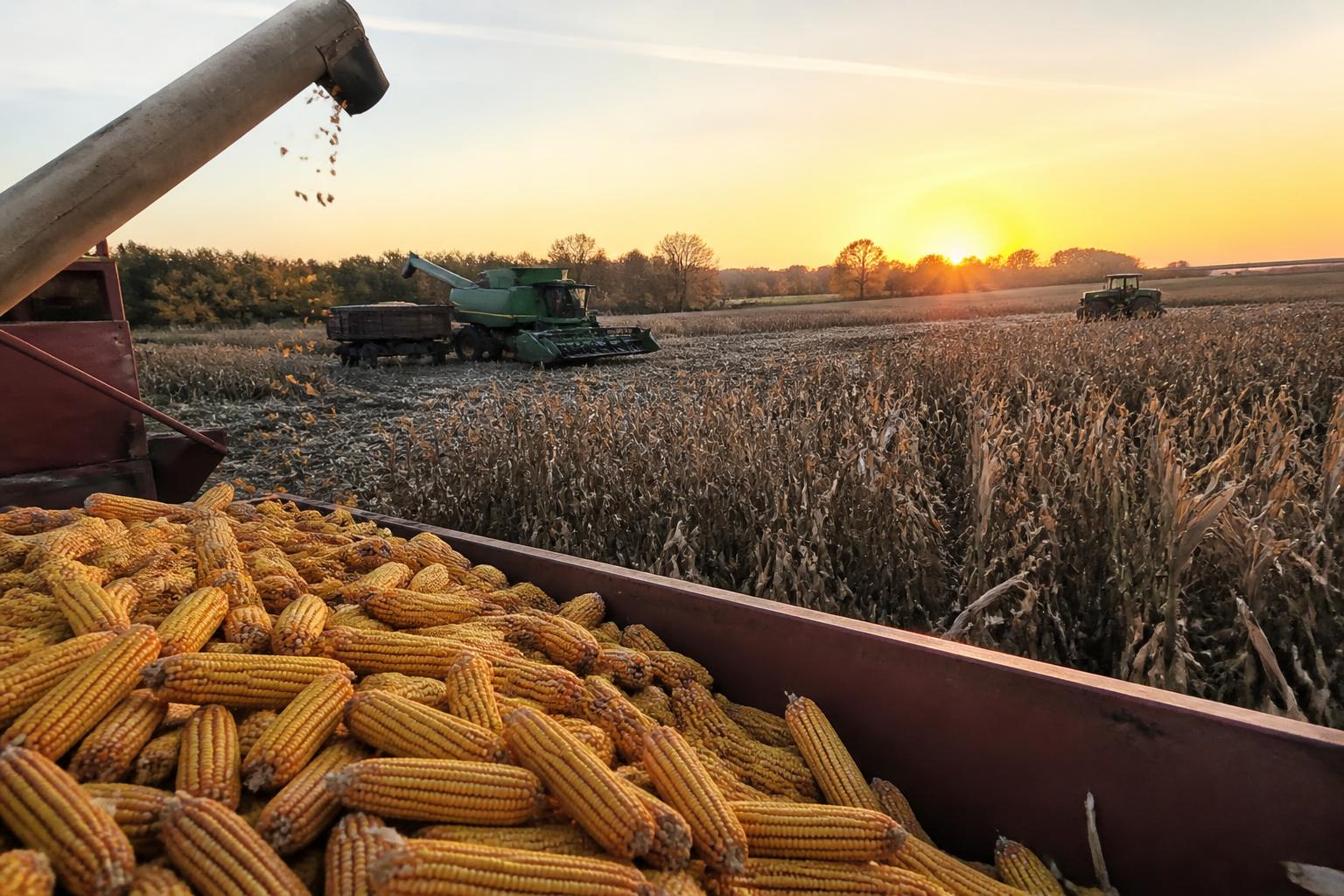
As we navigate the heart of the fall season in Nebraska, producers are closely evaluating their nutrient management plans for the upcoming cycle. With commercial fertilizer prices remaining a significant factor in total production costs, many farmers are revisiting traditional strategies, including increased reliance on manure, to maintain soil health while managing operational margins.
Adapting to Input Cost Volatility
For operations across the state, the focus has shifted toward efficiency and cost containment. When faced with high prices for synthetic inputs, the practical utilization of local manure resources has become a staple for many Nebraska farms. This transition is not merely a cost-saving measure but often part of a broader, integrated nutrient management approach that can help sustain long-term soil productivity.
While producers look for ways to optimize their bottom line, they are also keeping a watchful eye on regional infrastructure. Managing seasonal grain flow and infrastructure constraints remains a top priority, as logistics play a critical role in the overall profitability of the harvest period. Coordination between elevators and transport providers is essential as field activity ramps up across the Cornhusker State.
Looking Ahead
Beyond the current season, the broader economic landscape continues to influence decision-making. Concerns regarding shifts in demand for corn-based sweeteners, for instance, are being monitored closely by industry stakeholders. As these market dynamics evolve, Nebraska agribusinesses are staying agile, balancing local operational realities with broader national trends.
What it means for the market: Producers are doubling down on localized input strategies and logistical preparation. By leveraging existing manure resources and optimizing nutrient application, many are better positioning their operations to absorb external price pressures as they move through the final stages of the fall harvest.
Comments
No comments yet - be the first to share your take.