
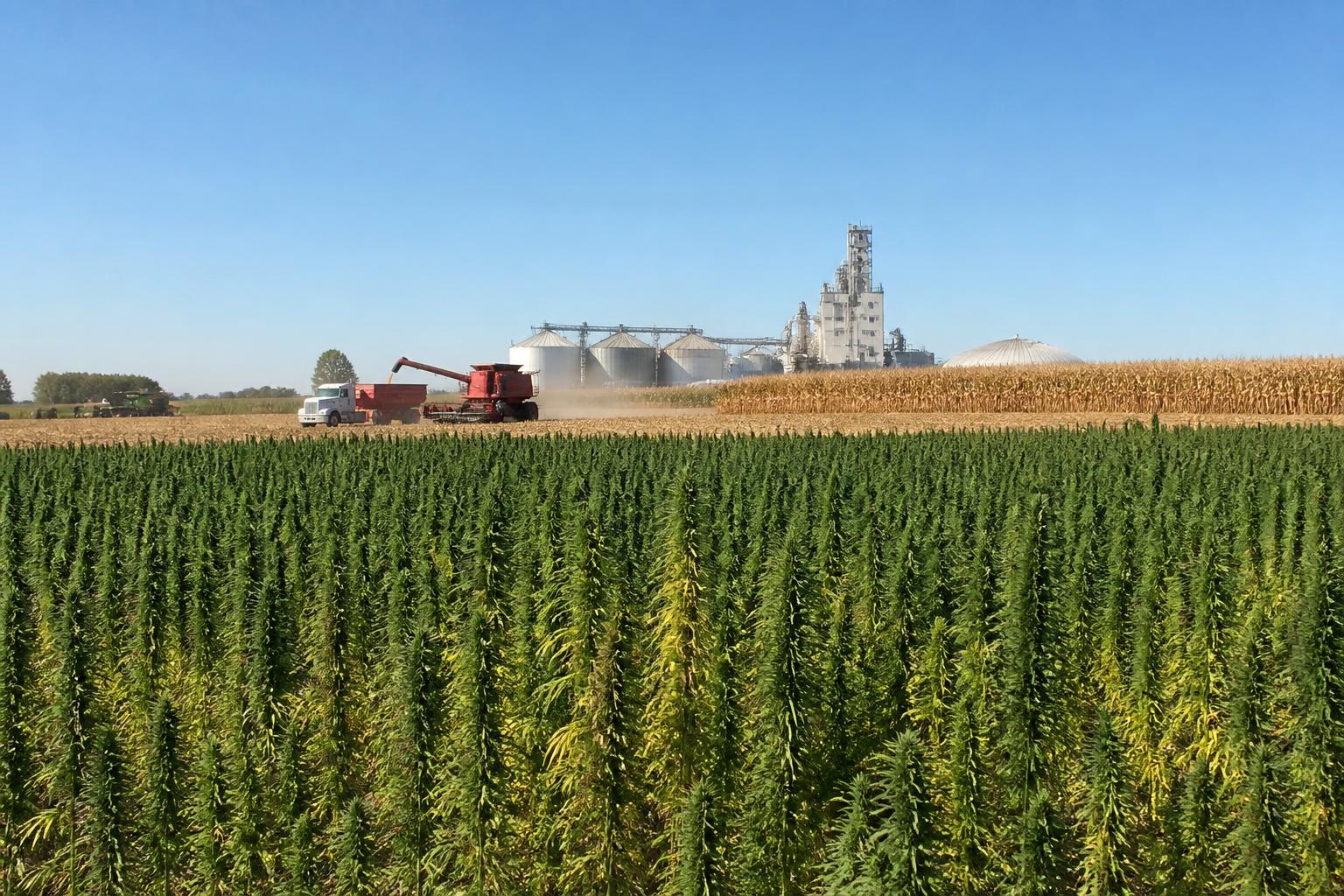
With the harvest season gaining momentum across Nebraska, regional grain handlers and logistics providers are preparing for the typical surge in demand for transit and storage capacity. As farmers head to the fields, the focus shifts to maintaining smooth logistical flows from the point of harvest to local elevators and regional terminals.
Maintaining efficiency during this peak period often requires careful coordination between producers and carriers. In some parts of the state, logistical bottlenecks can emerge as grain flows intensify toward major transit hubs. Managing these seasonal pressures on grain logistics is a recurring priority for agribusinesses, particularly when regional infrastructure is tested by the scale of the crop.
Navigating Market and Operational Challenges
Nebraska producers are also keeping a close eye on broader market trends that influence the bottom line. Recent shifts in the commodities landscape, combined with the complexities of regional infrastructure, underscore the need for flexible planning. As harvest logistics continue to evolve, producers are balancing the immediate needs of moving current yields with longer-term strategies for navigating changing market pressures.
What it means for the market
For farmers and grain handlers, the current environment emphasizes the importance of early logistical planning. As the season progresses, timely communication with transport partners and clear insight into local storage availability may help mitigate potential delays, ensuring that grain moves efficiently through the supply chain even as seasonal volumes rise.
Comments
No comments yet - be the first to share your take.