
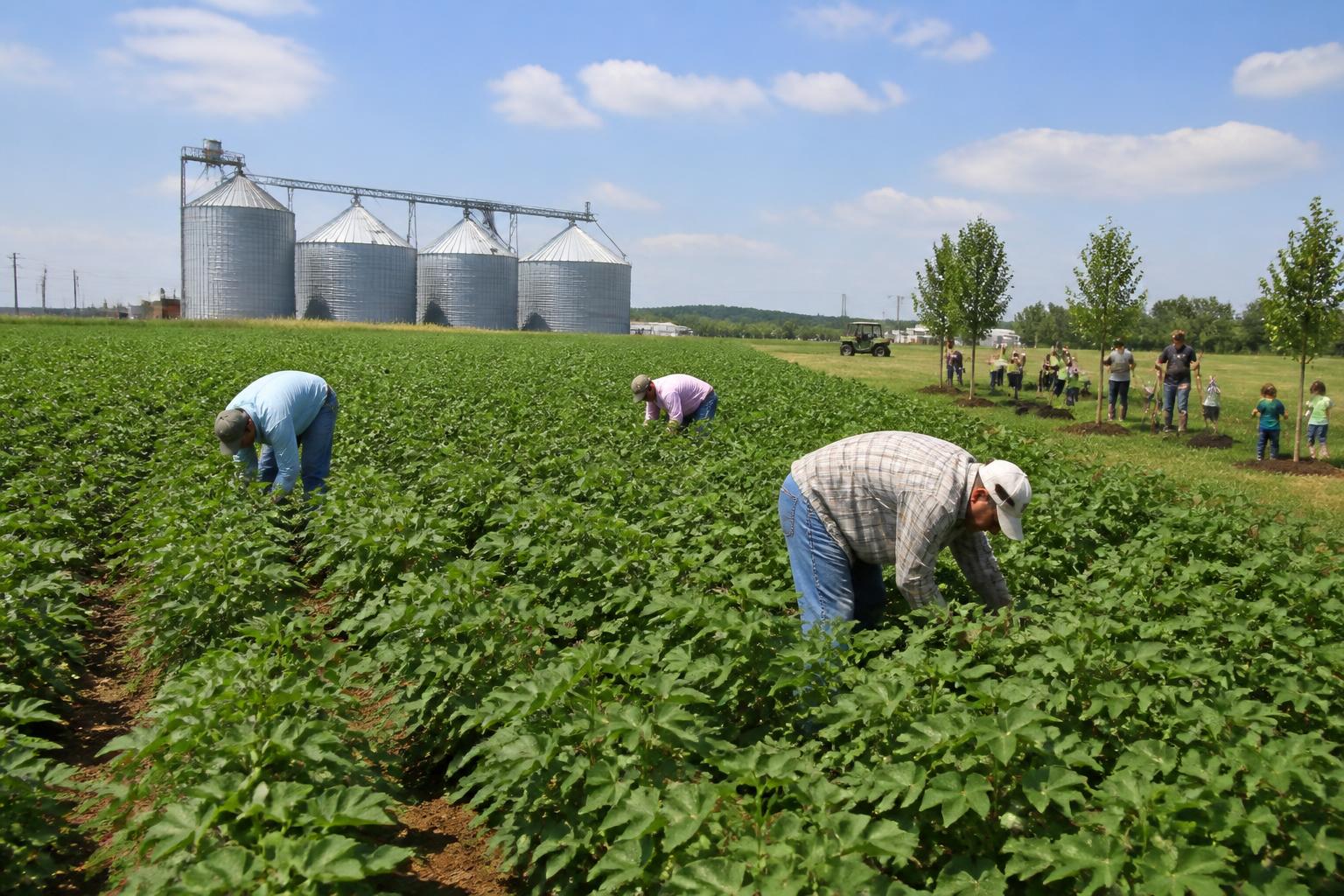
As Tennessee agriculture enters the peak of the summer growing season, farmers across the state are facing a complex mix of agronomic pressures and regulatory updates. Effective crop protection remains a top priority, particularly as high heat and humidity accelerate weed growth in row crops. This June, policy developments at the state level have added another layer of decision-making for agribusinesses and producers managing chemical applications.
A major legislative focus has concluded with the failure of a high-profile agricultural bill in the state legislature. The weed-killer legal immunity bill, which aimed to shield chemical manufacturers from certain liability lawsuits, failed to pass out of a Tennessee House Committee. This legislative stall leaves the current legal and liability frameworks unchanged for chemical manufacturers and application operators alike.
Weed-Killer Immunity Bill Fails in Committee
The proposed legislation sought to provide legal protections for manufacturers of crop protection chemicals, specifically targeting liability associated with widely used weed killers. Its failure to advance past the Tennessee House Committee means that existing liability laws remain fully in effect throughout the state.
For growers in major agricultural regions, such as the highly productive counties of West Tennessee and the fertile valleys of Middle Tennessee, this outcome keeps the regulatory status quo intact. Applicators must continue to navigate strict label compliance and drift-reduction protocols to avoid legal and environmental complications. With no new statutory immunity shields in place, the responsibility for safe, targeted application remains a critical operational priority for custom applicators and independent farmers.
Summer Weed Management Challenges in Tennessee Fields
Managing weeds in the humid mid-South requires constant vigilance, especially during the hot summer months. In Tennessee, where no-till farming practices have a rich history of conservation and innovation, keeping fields clean without disturbing the soil structure is a delicate balance. Without tillage to disrupt weed cycles, chemical and cultural controls are the primary lines of defense.
To optimize weed control and crop performance, many Tennessee soybean growers have adopted earlier-than-normal planting windows. Planting early helps establish a canopy sooner, which naturally suppresses weed growth by shading the soil. However, early planting also shifts the timing of post-emergence herbicide applications, requiring careful logistics and coordination to ensure chemical treatments are applied at the most effective growth stages.
Furthermore, crop protection concerns are not limited to traditional row crops. Local agricultural initiatives are also putting a spotlight on specialty crop protection, with new projects aiming to address pest and weed control challenges unique to Southern fruits, vegetables, and nursery crops. Farmers can learn more about regional agronomic factors in the Tennessee grain market brief on summer policy decisions, which details how these overlapping challenges impact farm profitability.
Key Takeaways for Producers
- Liability Rules Unchanged: The failure of the weed-killer immunity bill in committee means pesticide liability frameworks remain status quo.
- No-Till Maintenance: Conservation-minded growers must continue to rely on precise chemical and cultural strategies to manage resistant weeds without tillage.
- Application Timing: Early planting of crops like soybeans helps shade out weeds but alters the summer spraying schedule.
- Broad Crop Protection: Regional efforts are increasingly addressing the protection needs of both row crops and high-value specialty crops.
What It Means for the Market
For Tennessee grain elevators, crop input retailers, and producers, the decision to stall the chemical immunity bill underscores the ongoing importance of meticulous record-keeping and strict adherence to application labels. Because there is no new legislative shield for manufacturers or applicators, drift mitigation and integrated pest management (IPM) are more critical than ever to protect farm businesses from liability. Input buyers and retailers should expect continued emphasis on precision application technologies and stewardship training as the agricultural community works to protect valuable crop yields while minimizing environmental and legal risks.
Comments
No comments yet — be the first to share your take.