
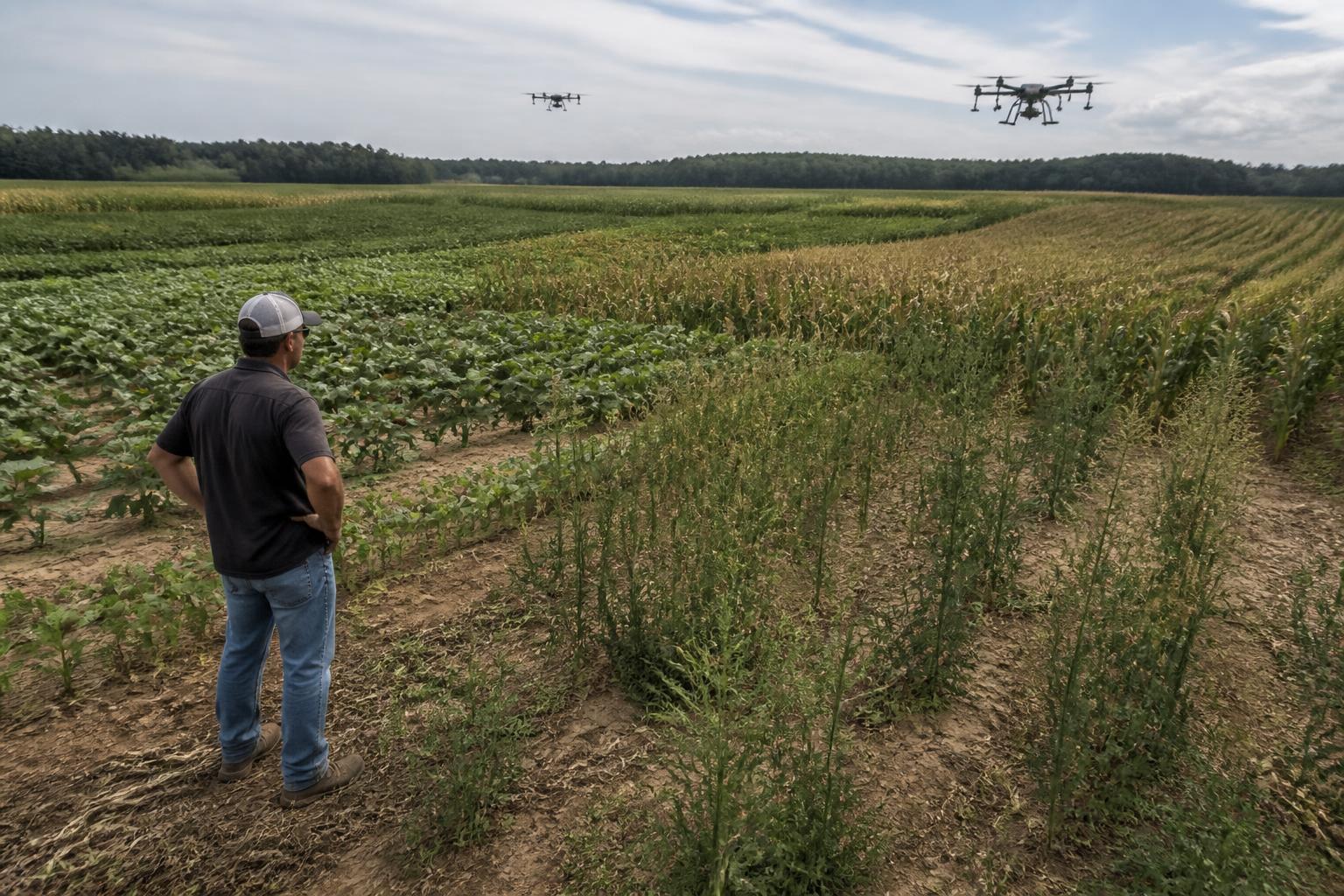
Tennessee grain growers and elevator operators are navigating a pivotal summer as production challenges collide with major structural shifts in the state's agricultural landscape. Between regulatory votes, major processing plant acquisitions, and rising agronomic pressures, agribusinesses across the Volunteer State are adjusting their risk management strategies for the 2026 season. As farmers work through these shifts, adapting to summer's weather challenges remains a core focus to protect local yield potential.
Processing Shifts and the Corn Checkoff Vote
Local demand dynamics for feed grains are experiencing a major transition. In a notable industry move, Poet has acquired Green Plains' 120-million-gallon ethanol plant in Tennessee. This facility represents a massive destination for regional corn, and its ownership transition could influence local basis and delivery patterns for elevators and grain haulers throughout West and Middle Tennessee.
Simultaneously, the Tennessee Department of Agriculture has announced that local corn producers will vote on a checkoff referendum. If approved, the checkoff program would establish dedicated funding for corn market development, promotional campaigns, and agronomic research, potentially giving state growers more leverage in regional and global markets.
Invasive Weeds and Pest Pressures Loom
Agronomic management is demanding extra vigilance this summer. Crop specialists report that glyphosate-resistant pigweed is spreading rapidly in East Tennessee. This aggressive weed pressure forces producers to adjust their chemical programs and inputs, adding to the operational costs highlighted in the University of Tennessee Institute of Agriculture (UTIA) yearly report, which summarized a trying year for local farmers.
In addition to weed management, insect monitoring has intensified. The University of Tennessee System warns that fall armyworms pose a potential threat to local farmland. To combat these mounting threats, some innovative Tennessee operators are turning to drone imagery to diagnose field-level issues and pinpoint stress before it impacts overall yields.
Infrastructure Upgrades in the Region
On the logistical and infrastructure front, new investments are expected to support regional operations. Governor Bill Lee and Commissioner Stuart McWhorter announced Valmont's plans to expand its operations in Jasper, Tennessee. Valmont's manufacturing presence is vital for irrigation systems and structural farm components, and this expansion may improve equipment access for growers looking to modernize their setups.
Key Takeaways for Tennessee Producers
- Ethanol Demand: Poet's acquisition of the 120-million-gallon plant signals robust, long-term processing capacity for regional corn.
- Checkoff Vote: Corn growers should watch for referendum details to voice their stance on promotional funding.
- Input Costs & Scouting: Rapidly spreading glyphosate-resistant pigweed and potential armyworm pressure require close crop scouting, potentially utilizing drone technology.
What it means for the market: The combination of a newly acquired 120-million-gallon ethanol facility by Poet and the upcoming corn checkoff referendum signals long-term structural changes for Tennessee corn demand and advocacy. Meanwhile, managing near-term input costs to combat glyphosate-resistant pigweed and monitoring armyworm migration will determine the profitability of this summer's crop.
Comments
No comments yet - be the first to share your take.