
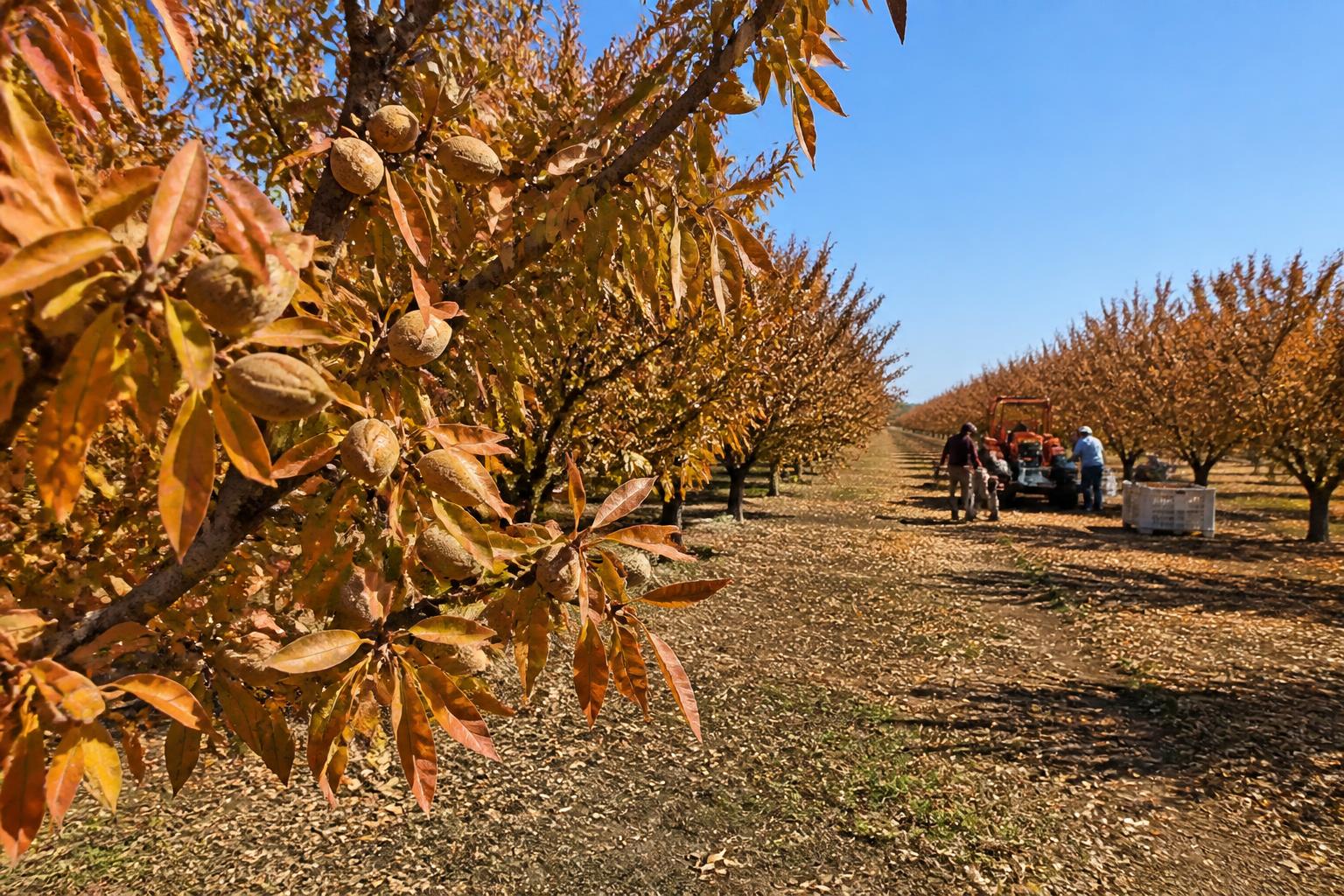
California’s agricultural landscape continues to experience a period of rapid adjustment as growers respond to evolving market demands and regional pressures. Throughout the state, from the Central Valley to the coastal growing regions, producers are evaluating long-term planting strategies, often weighing the benefits of diversifying their crop profiles against the volatility of current market trends. While some sectors see shifts toward higher-value crops, other areas are seeing a notable uptick in acreage dedicated to commodities like corn, which has gradually claimed space traditionally held by other staples.
Adapting to Operational and Logistics Realities
For many California agribusinesses, the challenge lies in maintaining operational efficiency while navigating complex regulatory and supply chain environments. The expansion of regional fertilizer infrastructure remains a critical development for those looking to stabilize input access, particularly as logistics costs fluctuate. As we move deeper into the fall, efficient truck turnaround becomes a top priority for handlers working to move crops through the supply chain before winter weather sets in.
Innovation in Crop Protection
The push for innovation is also evident in how growers approach crop protection. With the approval of new mating disruption tools and the continuous search for technological solutions, farmers are increasingly turning toward precision agriculture to manage pest pressures. This commitment to innovation is vital, as producers work to protect yields across diverse commodities, ranging from the state's iconic nut crops to emerging organic acreage. The ability to integrate these technologies into existing farm operations remains a key differentiator for those looking to stay competitive in a challenging economic climate.
What it means for the market
The current environment highlights the importance of risk management. Whether through diversifying across multiple crop varieties or investing in improved logistical partnerships, California’s agricultural sector is increasingly focused on resilience. For producers, the ability to pivot—whether that means responding to fluctuating real estate values or adopting the latest in organic-certified inputs—will be essential for navigating the remainder of the season and setting a firm foundation for the coming year.
Comments
No comments yet - be the first to share your take.