
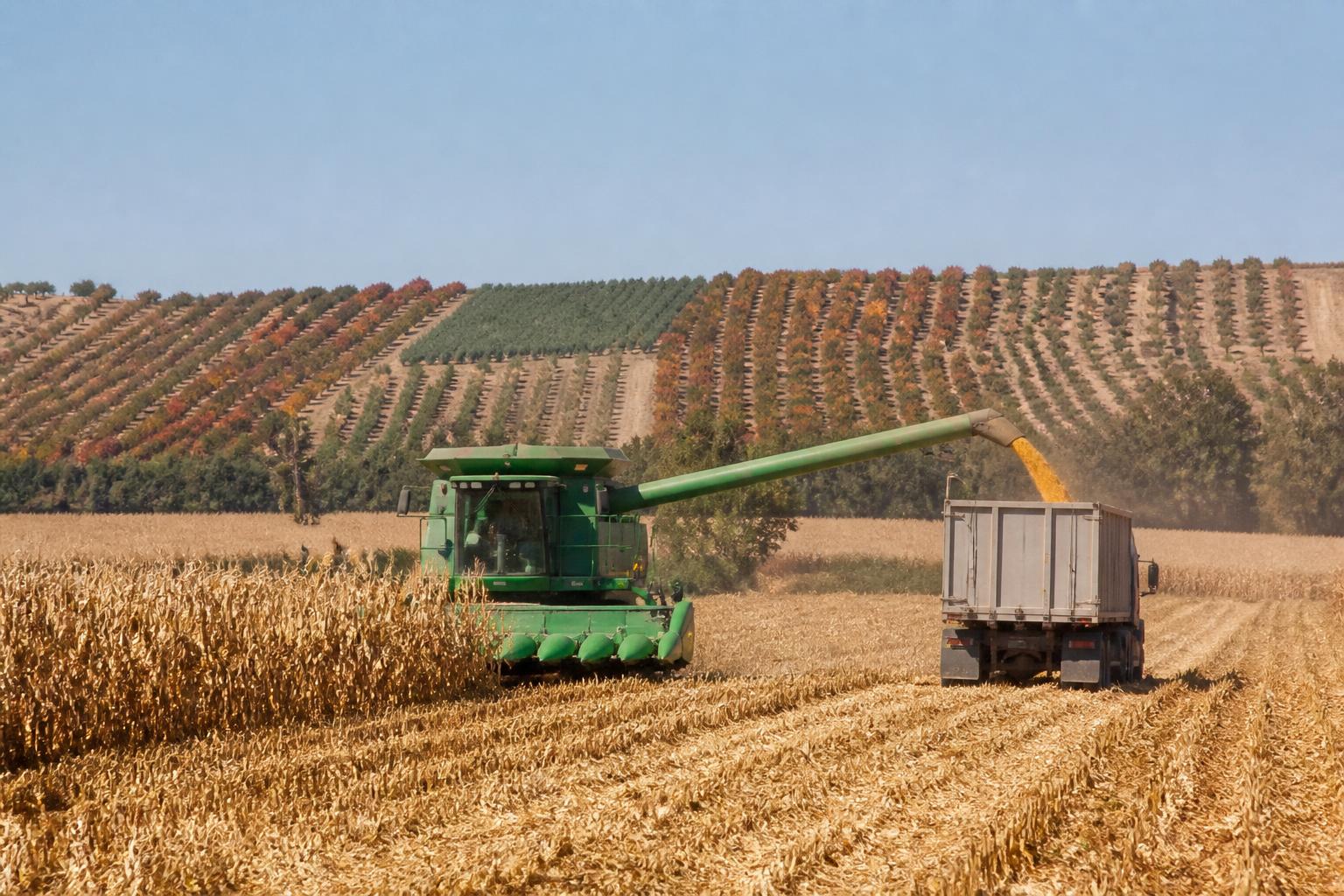
As the fall harvest season accelerates across California, logistics efficiency has moved to the forefront of operational concerns for growers and processors. With high volumes of seasonal crops moving from fields to storage and packing facilities, the pressure to maintain fluid supply chains is intensifying. Recent industry discussions highlight a growing emphasis on optimizing truck turn times at facilities to prevent bottlenecks that often plague peak periods.
For many agricultural operations, managing the transition between field and distribution is a critical challenge. As shippers look to maintain competitiveness and ensure timely movement of product, refining loading and unloading processes remains a primary focus. Operators who prioritize streamlined gate procedures often see fewer delays, which is essential for maintaining margins during this high-activity window.
Managing Seasonal Logistical Pressures
The complexity of California logistics, particularly during high-output months like September, requires proactive management of transport assets. Growers and handlers are often tasked with balancing limited warehouse space with the need for rapid product throughput. Improving coordination between transportation providers and onsite loading crews is essential to mitigate wait times, especially as farmers navigate field access and export pressures that can complicate routing.
Furthermore, as businesses assess their storage and distribution networks, many are looking at how to better integrate their farm-to-distribution footprints. Whether moving perishable goods or storable commodities, the ability to minimize idling time for trucks is a key metric for reducing indirect costs. By refining these workflows, agribusinesses can better adapt to the fall harvest demands that continue to shape regional transport activity.
What it means for the market
For California's agribusiness sector, the ability to maintain consistent and predictable logistics is vital for both domestic and export health. As stakeholders push for improved turn times, those who invest in better communication and optimized facility management will likely be better positioned to navigate the volatility of the current market environment, ultimately supporting a more resilient agricultural supply chain as the season progresses.
Comments
No comments yet - be the first to share your take.