
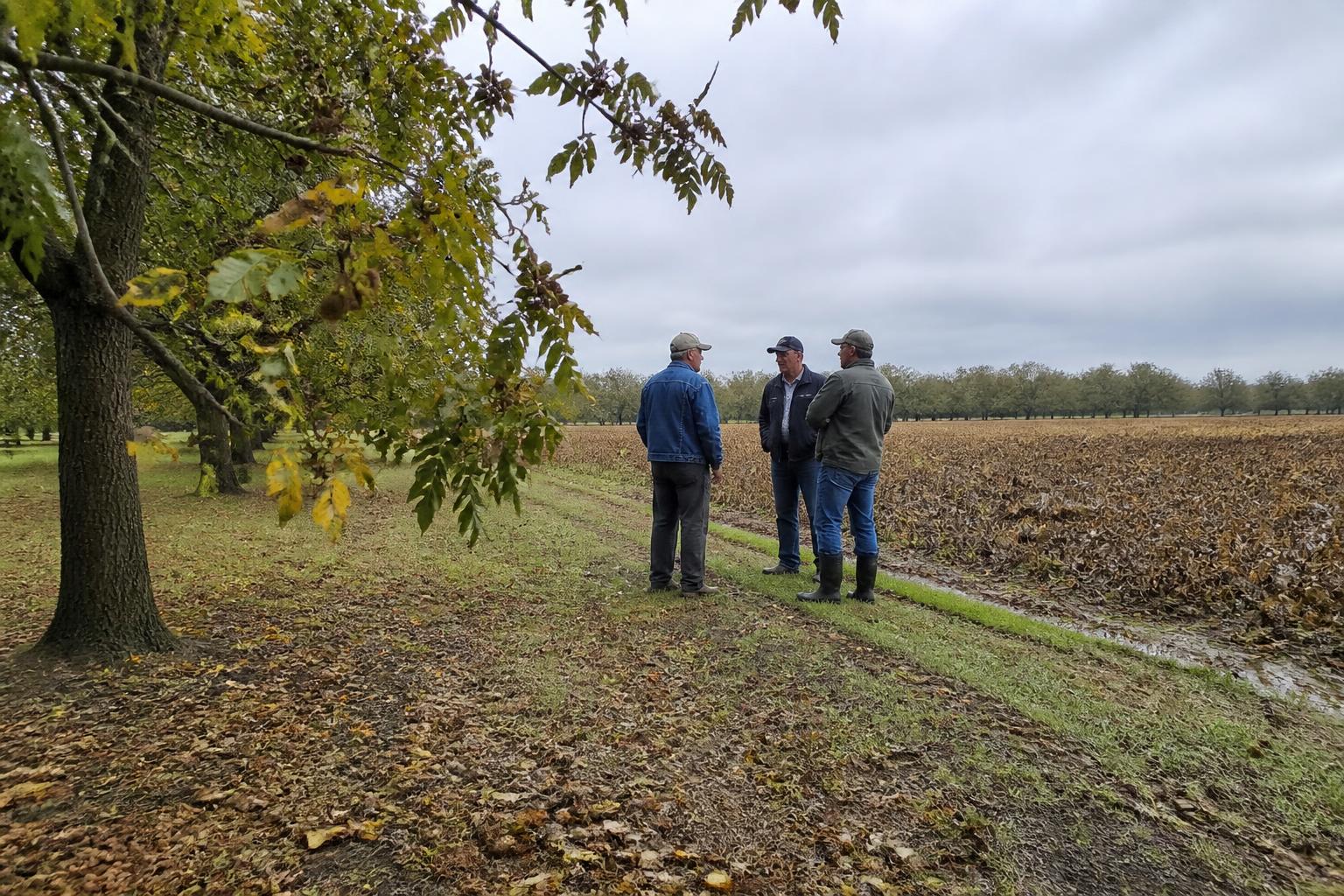
As the Mississippi harvest season moves into full swing this September, growers across the Delta and beyond are navigating a challenging end to the production cycle. A persistent theme this year has been the impact of earlier weather patterns on crop health, with recent reports noting that a combination of a dry summer and elevated disease pressure, such as sudden death syndrome in soybeans, has created localized variability in yield outcomes. While producers work through fields, the focus remains on capturing value in a market environment where input costs continue to weigh heavily on decision-making.
Logistical Hurdles and River Conditions
For those moving grain toward export hubs, logistics remain a critical point of concern. River levels have been a recurring topic of conversation, and historical trends suggest that maintaining efficient flow through the lower Mississippi River remains a primary variable for regional basis levels. Whether you are managing harvest flow amid low-water constraints or planning for inland terminal storage, staying updated on barge availability and capacity is essential. In many parts of the state, ensuring that rail and trucking lanes remain fluid is just as vital as managing on-farm storage during peak delivery windows.
Market Outlook and Regional Resilience
The agricultural sector in Mississippi continues to prove its resilience, even as it manages the complexities of global trade shifts and localized production risks. While some commodities have faced significant weather-related setbacks, others remain steady as regional elevators adjust their basis to reflect both local supply and broader export demand. Growers should keep a close eye on how late-season harvest constraints interact with current elevator storage capacities to avoid unexpected downtime during the busiest weeks of the season.
What it means for the market
The convergence of yield variability and logistical uncertainty suggests that producers should prioritize flexible storage and marketing plans this fall. With potential for continued volatility, keeping a sharp focus on local basis differentials and maintaining clear communication with grain handlers will be the most effective strategy to mitigate downside risk through the end of the harvest window.
Comments
No comments yet - be the first to share your take.