
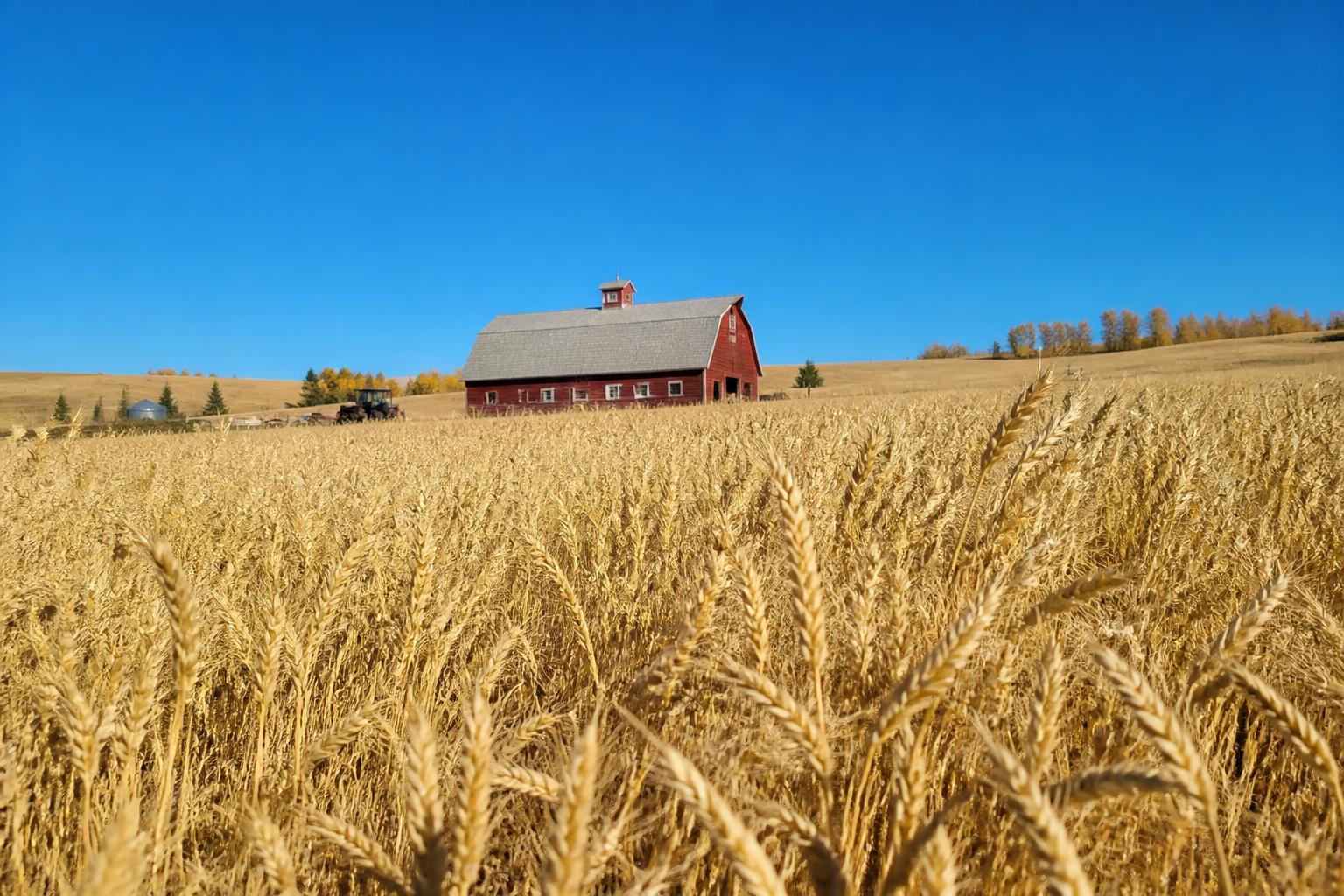
As harvest winds down across Montana, the local grain sector continues to grapple with the reality of compressed margins. While price volatility remains a recurring theme in the broader commodity markets, many producers in the state are finding that even when grain prices see periodic upward movement, the path to actual profitability remains narrow due to high input and operational overhead.
For many farm operations, the focus has shifted toward careful assessment of next season's acreage and logistical planning. Rising costs have forced some growers, particularly in the northern reaches of the state, to take a more conservative approach to planting. The pressure to maintain efficiency in a high-cost environment has highlighted the importance of optimizing harvest logistics to preserve every potential bushel. Balancing equipment performance with soil health remains a critical priority as regional producers look to bridge the gap between volatile global pricing and stable local returns.
Managing Input Pressures and Long-term Strategy
The current market landscape is heavily influenced by external economic factors, making it increasingly difficult for growers to lock in predictable returns. Producers are paying close attention to domestic fertilizer capacity and other input supplies, as these remain significant variables in the annual production budget. In some counties, the combination of restricted yields and high fixed costs is driving a pivot toward more calculated risk-taking, where producers analyze both local storage capabilities and potential transport routes to maximize the value of their delivered crop.
The Outlook for Montana Producers
With the Montana wheat market still adjusting to post-harvest supply dynamics, the coming weeks will likely see continued scrutiny of storage management and delivery timelines. While weather conditions have shown signs of improvement in some areas, the immediate challenge remains economic. Growers are effectively managing their assets by prioritizing essential maintenance and evaluating regional processing trends that may offer better logistical flexibility in the future.
What it means for the market: For local agribusinesses and transport providers, the current climate suggests a continued emphasis on lean operations. Producers are unlikely to expand acreage without a clearer path to margin stability, meaning the demand for efficient, cost-effective grain movement from elevators to regional terminals will remain a primary driver of activity through the end of the year.
Comments
No comments yet - be the first to share your take.