
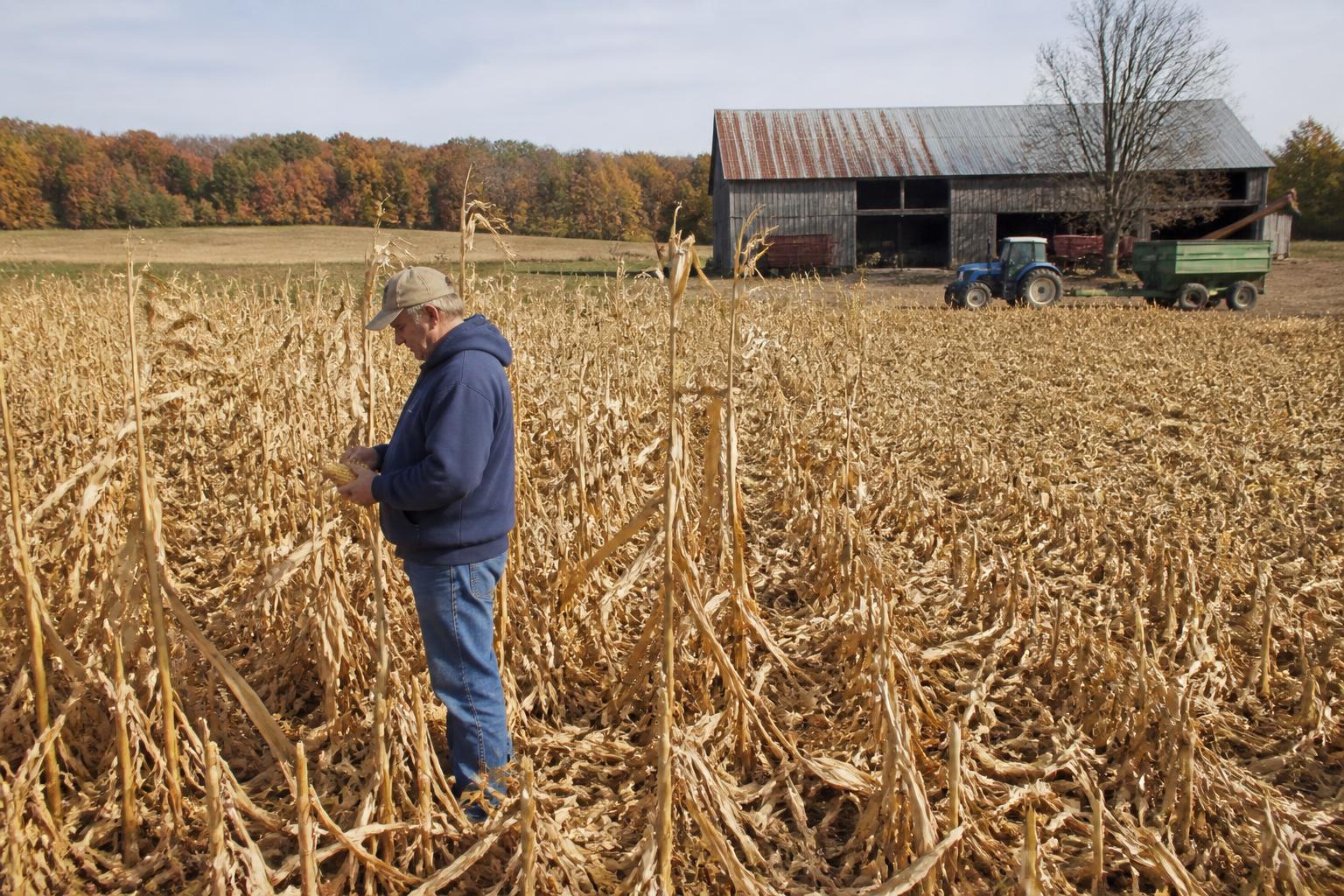
As the fall harvest season progresses throughout Virginia, agricultural producers are assessing crop performance amid a season that has seen some regions experience variable moisture levels. While certain areas faced weather-related challenges, many cornfields across the Commonwealth have shown notable resilience, providing a steady stream of product to local elevators and regional storage facilities.
For those managing grain movement, efficiency remains a priority as the state continues to see infrastructure investments. The recent movement toward expanding export capacity, exemplified by the development of new grain handling hubs, signals a potential shift in how regional growers might optimize their supply chain strategies. These developments are timely, as they align with broader industry efforts to streamline the path from the farm gate to international markets.
Refining Input Strategies and Breeding Success
Beyond current harvest logistics, the state's agricultural sector continues to focus on long-term production stability. Ongoing research into advanced wheat breeding programs at the university level aims to provide farmers with varieties better suited to the regional climate. This focus on genetic resilience is complemented by persistent efforts to improve nutrient management, which not only supports bottom-line profitability but also aids in the environmental restoration of local watersheds.
Maintaining safe operations remains a critical component of the harvest period. As equipment volume increases on rural roads and grain handling intensifies, keeping logistical workflows organized is vital for both farm safety and operational continuity.
What it means for the market
The convergence of improved grain export infrastructure and continued investments in crop technology suggests a maturing market environment for Virginia growers. Farmers should prepare for shifting storage demands and potential changes in regional basis levels as these new handling facilities come online. Staying attentive to local moisture data and utilizing expanded regional marketing channels will be essential for managing the flow of grain throughout the remainder of the fall season.
Comments
No comments yet - be the first to share your take.