
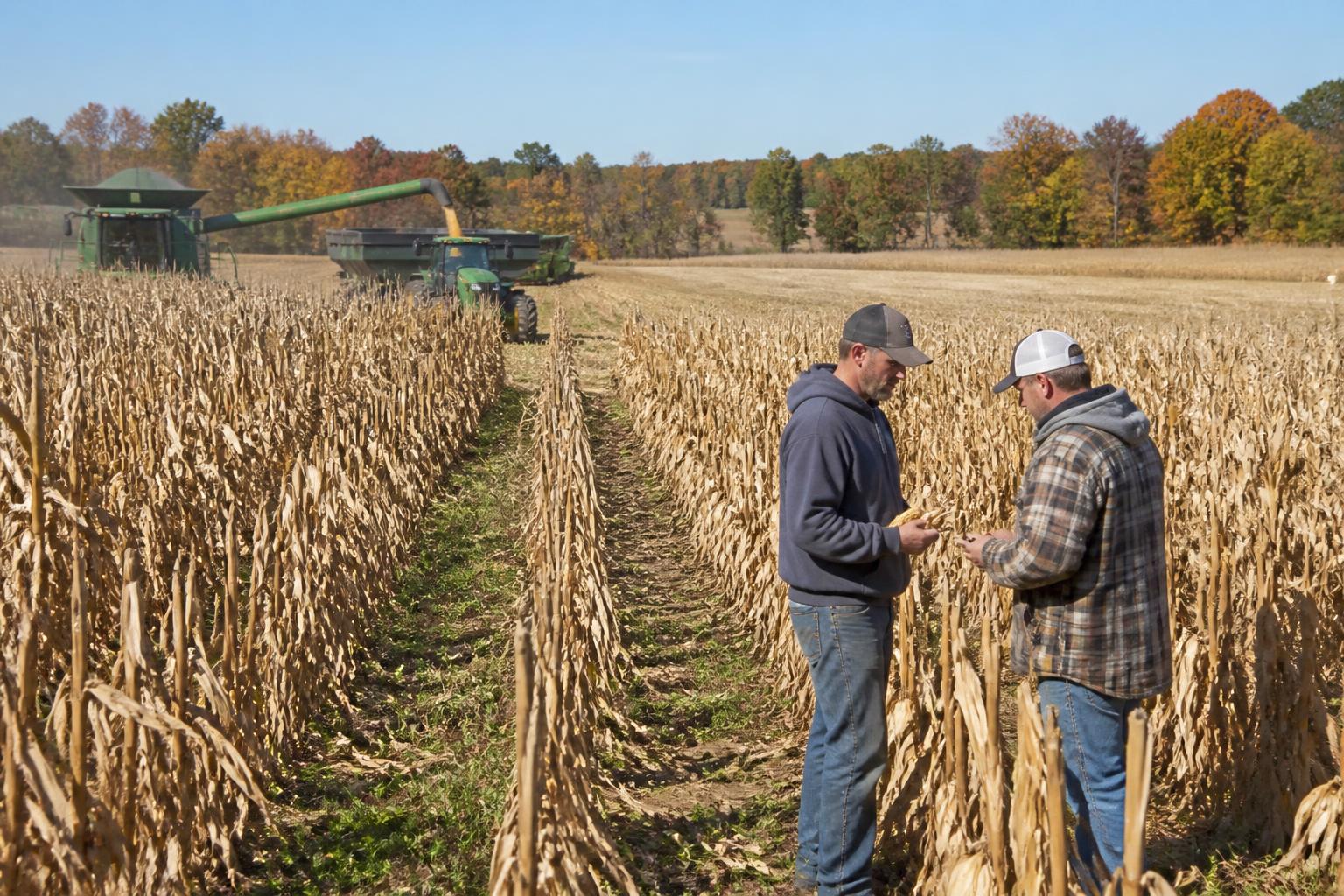
As Ohio growers transition into the fall season, the focus on managing input costs remains a critical component of farm profitability. Recent discussions among producers across the state have highlighted growing concerns regarding fertilizer pricing and market transparency. With the fall field work window opening, many farmers are scrutinizing their nutrient management strategies to ensure that every dollar spent on crop inputs delivers a measurable return.
For many across Ohio, the current market climate underscores the importance of data-driven decision-making. Recent industry observations suggest that higher fertilizer costs provide a direct incentive for more intensive soil sampling. By identifying specific nutrient deficiencies through precise testing, growers can avoid unnecessary applications and tailor their fall programs to the exact needs of their fields, rather than relying on blanket coverage.
Refining Nutrient Strategies
Efficient fall fertilizer decisions are often centered on the balance between immediate soil health and long-term financial stability. As regional agricultural analysts point out, the variables involved in nutrient procurement require producers to be proactive in how they secure their supplies. Understanding the local supply chain, including the role of new regional infrastructure like the Ohio River terminal facilities, can provide logistical advantages for those moving significant volumes of product across the state.
Prioritizing ROI in a Volatile Market
In addition to technical application efficiency, market awareness is key. Because the agricultural landscape is currently seeing shifts in both local feed mill operations and global trade demands, producers are increasingly looking for clarity on why fertilizer price volatility persists. Engaging with local retailers and staying informed on regional supply trends can help operations mitigate some of the uncertainties that typically characterize a rangebound commodity market.
What it means for the market
For the average Ohio agribusiness, the current environment necessitates a dual focus: technical precision and supply chain vigilance. Prioritizing rigorous soil testing to optimize application rates remains the most effective defense against high input costs. Meanwhile, keeping a close watch on regional logistical developments and maintaining open communication with suppliers will be essential for those looking to protect their margins through the remainder of the year.
Comments
No comments yet - be the first to share your take.