
The New Jersey agricultural sector is entering a pivotal phase this September, as producers transition from late summer yields into the heart of the fall harvest. For many operations, particularly in regions like South Jersey, the cooling temperatures signal a shift in labor demands and logistics. While field crops remain the backbone of the state's agricultural economy, the integration of seasonal harvest management and input cost tracking continues to be a top priority for growers looking to maximize profitability in a tightening market environment.
Diversification as a Market Hedge
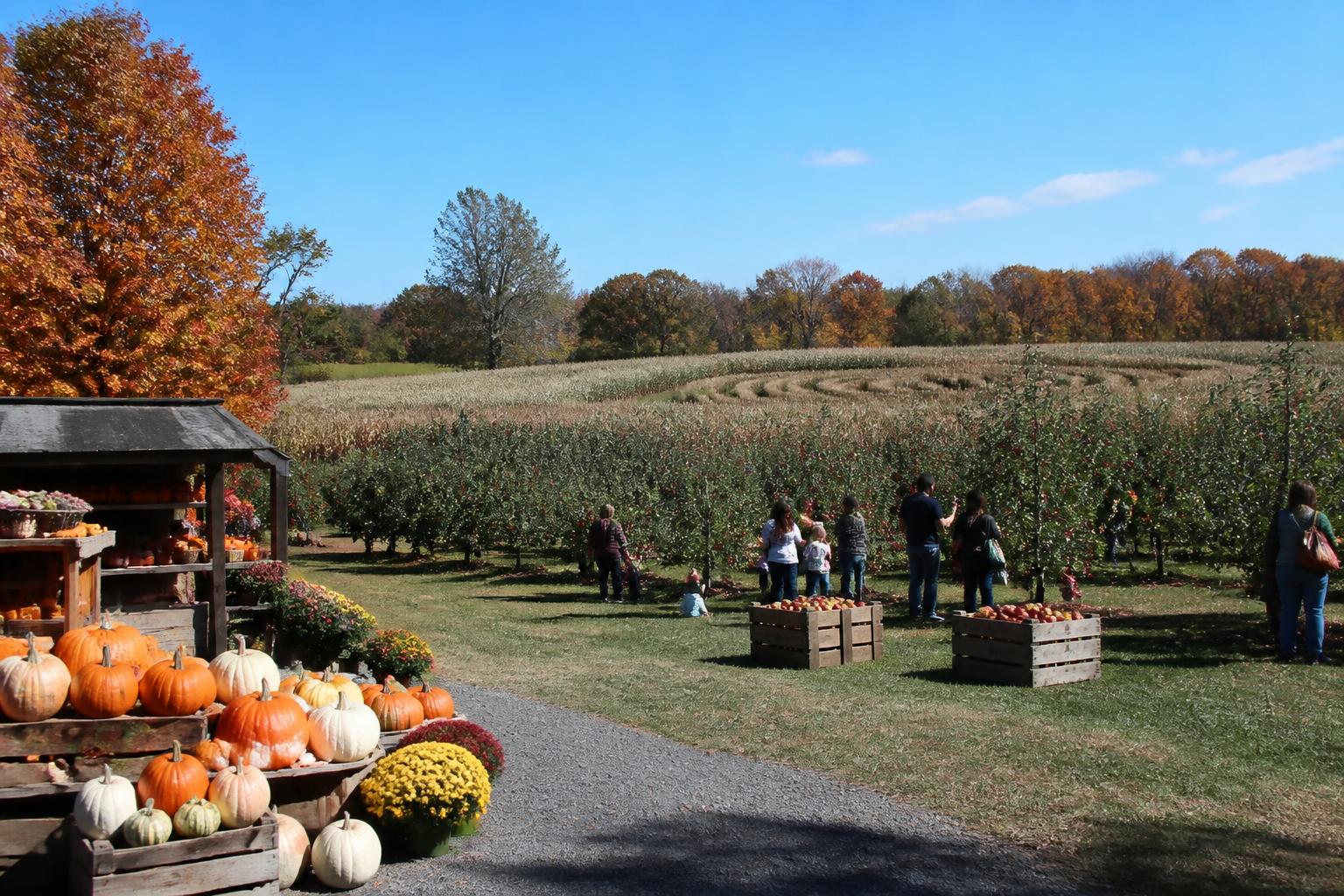
Agritourism has become an increasingly vital component for farm sustainability across the Garden State. From roadside stands in Bergen County to sprawling orchards and corn mazes, farms are leveraging their proximity to urban centers to capture direct-to-consumer revenue. This shift often requires careful synchronization of logistics, as the influx of agritourism traffic can complicate the transport of heavy harvest equipment on local roadways. For operators, balancing customer access with the operational needs of heavy machinery remains a critical bottleneck during the busy peak harvest windows.
Emerging Land Use and Technology
Beyond traditional cultivation, New Jersey farms are seeing a rise in specialized land use. Recent initiatives have focused on integrating solar arrays with agricultural land, known as agrivoltaics, which may provide additional financial stability for farm families. Furthermore, the push for local innovation continues, exemplified by ongoing developments in crop varieties tailored to the specific climatic conditions of the region. As producers plan for the coming year, many are also evaluating their reliance on inputs, with long-term nutrient management strategies being refined to address both potential regulatory changes and evolving market availability for fertilizers.
What it means for the market
The current market climate suggests that New Jersey farmers who combine traditional production with diversified income sources are best positioned to navigate seasonal uncertainties. Producers should remain focused on optimizing logistics during the harvest surge while keeping a close watch on regional input trends and land-use policy shifts that could impact farm infrastructure in the seasons ahead.
Comments
No comments yet - be the first to share your take.