
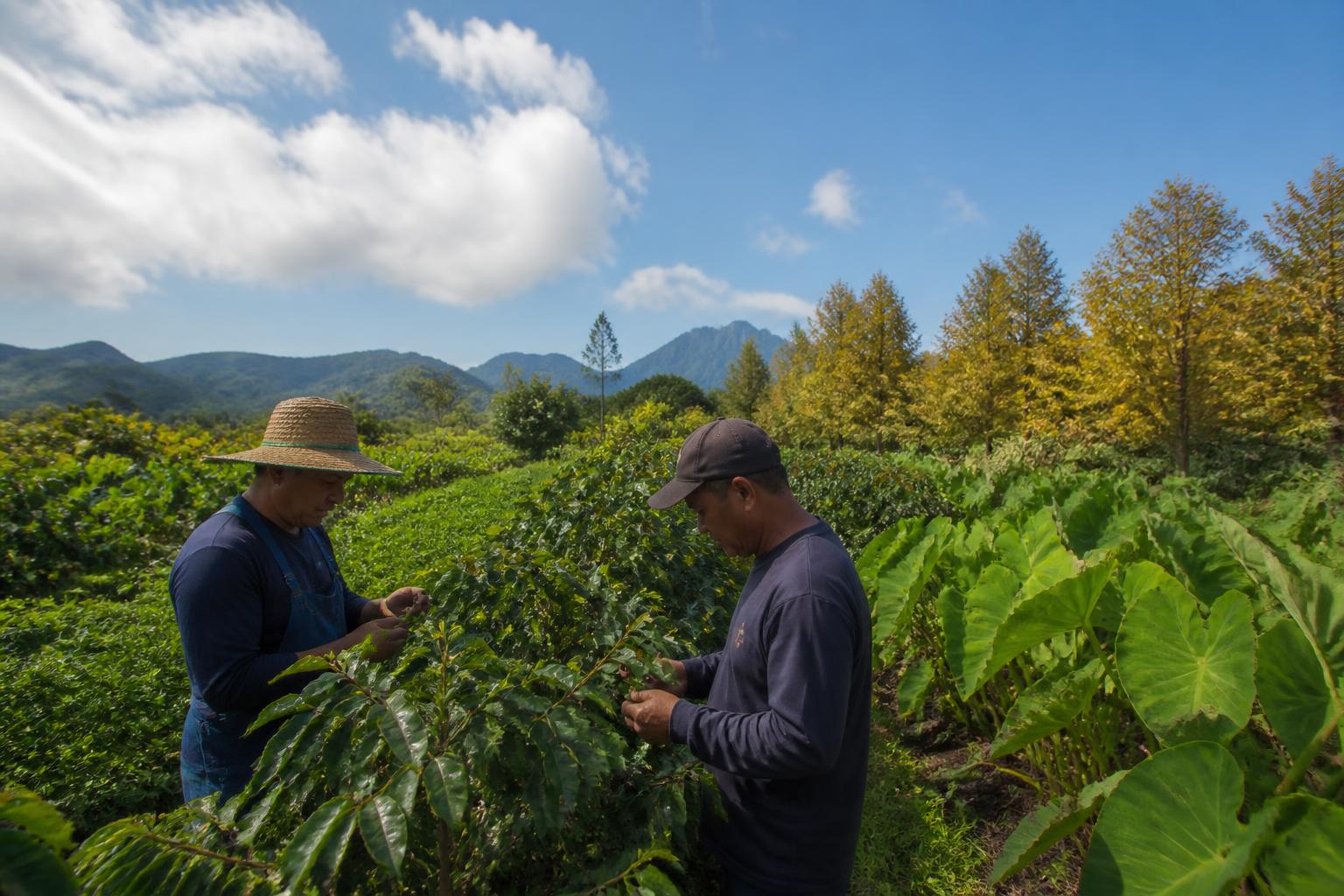
Adapting to New Pesticide Constraints
As Hawaii continues to refine its approach to land management, producers across the islands are navigating the impacts of the statewide ban on chlorpyrifos. This legislative shift requires farmers to re-evaluate their current pest management strategies and explore alternative, compliant control methods. For many operations, this means transitioning toward integrated pest management (IPM) practices to maintain crop health without relying on restricted substances.
Streamlining Biosecurity Compliance
Effective protection of Hawaii's agricultural future often begins with rigorous biosecurity protocols. Producers and logistics partners must remain vigilant regarding the mandatory agricultural declaration forms required for shipments entering the state. Accurate documentation is essential to prevent the introduction of invasive species, which can devastate local yields and long-term land viability. Ensuring that every manifest is correctly filed and that shipments are clearly identified is a core part of operational success in the islands.
Resource Resilience and Regional Coordination
The intersection of regulatory compliance and environmental stewardship is a constant priority. Growers looking for stability in this environment should focus on strengthening biosecurity and crop resilience through early detection and collaborative monitoring. By keeping local supply chains transparent, agribusinesses can help mitigate the risks associated with restrictive agricultural policies. Consistent engagement with state guidelines ensures that farms remain competitive while upholding the unique ecological requirements of the region, ultimately protecting Hawaii's yields against external threats.
Key Takeaways
- Review alternative pest management programs to account for the chlorpyrifos ban.
- Ensure all agricultural shipments are supported by accurate, up-to-date declaration forms.
- Participate in regional biosecurity monitoring to protect against invasive pests this fall.
What it means for the market: The shift toward tighter pesticide controls and stricter biosecurity mandates signifies a move toward more sustainable, albeit technically demanding, farming practices. For producers, success now hinges on maintaining proactive compliance and investing in alternative control technologies that meet evolving regulatory standards.
Comments
No comments yet - be the first to share your take.