
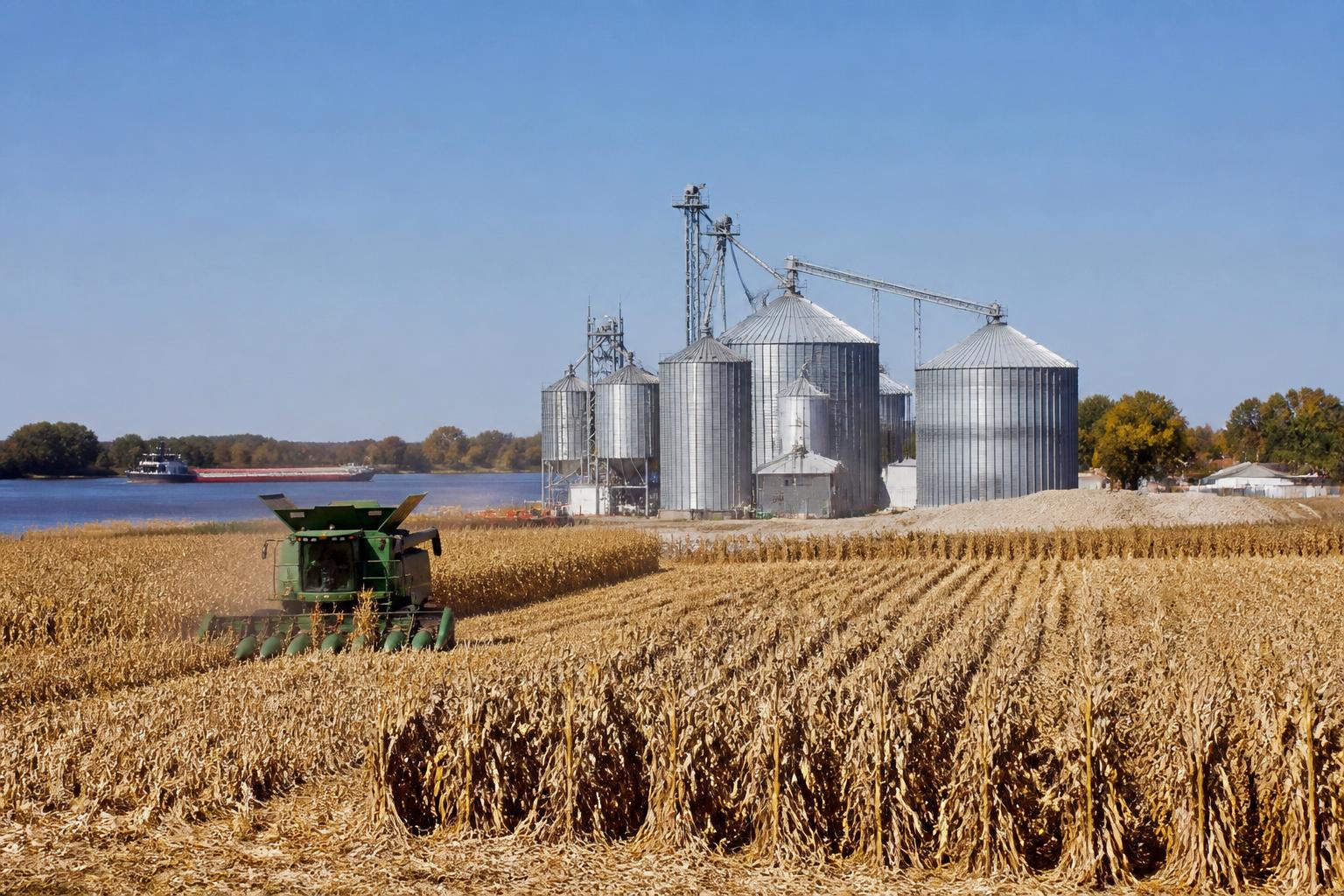
As Indiana farmers shift their focus toward the fall harvest, the regional ag logistics landscape is showing signs of increased capacity. The recent completion of a major dry fertilizer facility is set to improve input access for producers across Indiana and neighboring Kentucky, potentially smoothing out the logistics bottlenecks often encountered during peak application seasons.
Efficient movement of goods remains a cornerstone of the state's agricultural economy. The Port of Indiana-Mount Vernon has recently reached record-setting levels for barge shipments, highlighting the critical role of river transit in managing the flow of bulk commodities. This robust activity at the state's ports suggests that, even as domestic and international demand fluctuates, the infrastructure is actively adapting to support higher volume throughput.
Expanding Local Infrastructure
Beyond river transit, the state continues to see targeted investment in regional ag facilities. These developments aim to shorten the supply chain for growers, reducing the reliance on long-haul transport for critical inputs. Enhanced storage and handling capabilities, such as those recently brought online, can help minimize the stress on local trucking and rail networks during the high-pressure harvest and pre-planting windows.
Building Resilience for the Future
For grain handlers and agribusinesses, the combination of expanded local facilities and high-performing river ports provides a more predictable operating environment. As the industry looks toward long-term growth, the focus remains on integrating these logistical improvements to support stronger local input access. Whether it is moving corn and soybeans to market or bringing in essential fertilizer, the ability of Indiana's infrastructure to handle record volumes will be a defining factor for the season.
Additionally, ongoing innovation across the state—from new crop science initiatives to improvements in supply chain logistics—underscores a commitment to maintaining competitive advantages in a global market. Staying informed on these infrastructure shifts allows producers and handlers to better align their operations with regional capabilities.
What it means for the market
Farmers and agribusinesses should anticipate improved handling efficiencies this season as new terminals begin full-scale operations. The increase in barge activity and storage capacity serves as a buffer against common seasonal congestion, potentially providing more options for timing deliveries and managing input costs as regional competition for logistics assets remains steady.
Comments
No comments yet - be the first to share your take.