
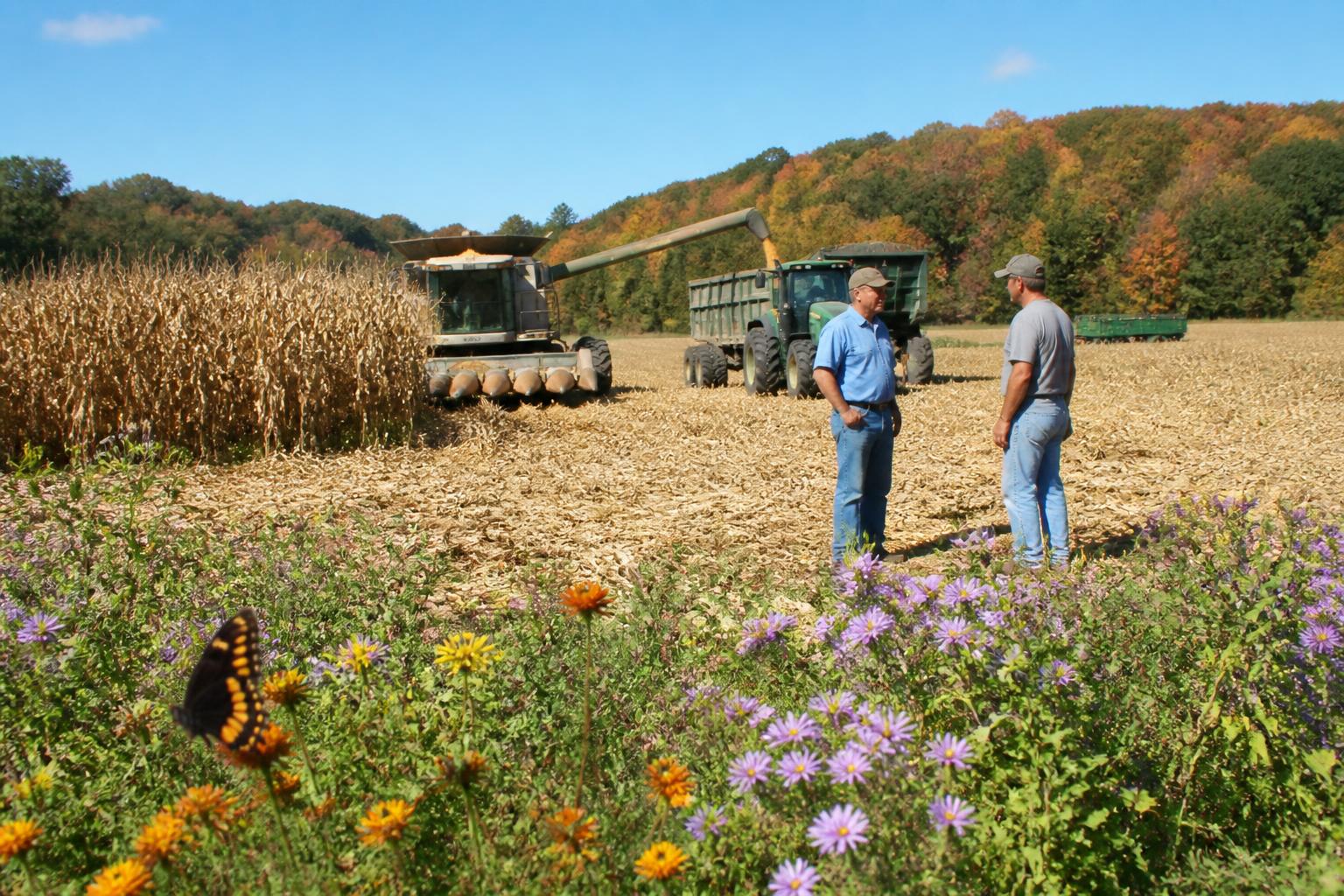
As Indiana producers move deeper into the fall harvest window, the integration of modernized ag-retail infrastructure is playing a pivotal role in maintaining operational efficiency across the state. The expansion of state-of-the-art facilities, such as the recently commissioned site in Tipton, highlights a broader trend of strengthening regional support networks designed to streamline the delivery of essential inputs.
For growers across the Hoosier state, this evolution in local logistics is critical as farms balance the demands of harvest with the necessary planning for the upcoming season. Efficient input management, including the careful handling of chemical inventories and upcoming 2027 fertilizer demands, remains a top priority for agribusinesses and individual operators alike.
Optimizing Farm Inputs and Logistics
The reliability of the local supply chain often dictates the pace of field operations. As farmers assess their current storage and input requirements, industry observers note that leveraging established retail networks can mitigate potential bottlenecks. These facilities are increasingly serving as hubs that combine traditional retail offerings with enhanced capacity, providing a more stable environment for farmers managing tight margins and complex field variability.
Furthermore, as producers evaluate their land usage, including the potential for converting underperforming acreage into productive pollinator habitats, the role of local experts in guiding soil and chemical decisions has never been more valuable. This, combined with careful monitoring of early fall grain logistics, helps sustain the steady flow of commodities to processing centers and export terminals.
Navigating Regulatory and Operational Shifts
While infrastructure investments continue to grow, the agricultural landscape in Indiana remains sensitive to broader policy changes. Producers are reminded to maintain engagement with state leadership to stay informed on how administrative shifts—such as updates within the office of the secretary of agriculture—might impact future land use and operational regulations. Maintaining compliance, whether in pesticide application or land management, ensures that farms remain competitive in a shifting economic climate.
Additionally, as regional connectivity improves through new Ohio River terminal developments, the cost-benefit analysis for transport and distribution is becoming more favorable. These logistical advancements suggest that Indiana’s agricultural sector is well-positioned to handle increased seasonal volumes as harvest intensity peaks.
What it means for the market
For Indiana farmers, the expansion of local retail and logistical assets provides a necessary buffer against supply volatility. By tapping into these modernized networks, growers can better manage their input costs and distribution timing, ultimately protecting their bottom line as they close out the season and prepare for the next.
Comments
No comments yet - be the first to share your take.