
As summer heat intensifies across the Palmetto State, South Carolina's agricultural logistics network is gearing up to handle diverse seasonal pressures. From moving fresh specialty crops to preparing for regional grain movements, local growers, carriers, and agribusinesses are navigating a changing transport landscape. With critical highway corridors like Interstate 26 and Interstate 95 experiencing typical summer traffic, keeping agricultural freight moving efficiently remains a primary focus for state transportation agencies and local fleets alike.
Regional Freight Shifts and Infrastructure Pressure
Recent changes in rail and trucking networks continue to reshape the agricultural transportation outlook across the Southeast. While logistics companies in neighboring hubs adjust to regional layoffs and restructuring, South Carolina carriers are prioritizing reliability and route optimization. The South Carolina Department of Transportation (SCDOT) plays a critical role in keeping secondary roads and rural corridors clear, which is vital for connecting rural fields to major processing facilities and ports.
Trucking capacity during the summer months must adapt to the physical demands of high-temperature hauling. Fleet operators often face increased maintenance costs to prevent breakdowns on hot asphalt, making proactive scheduling essential. Regional coordination is also key; for example, infrastructure developments in nearby states can impact local route choices, as highlighted in our recent update on North Carolina ag transport.
Specialty Crops and Local Logistics Incentives
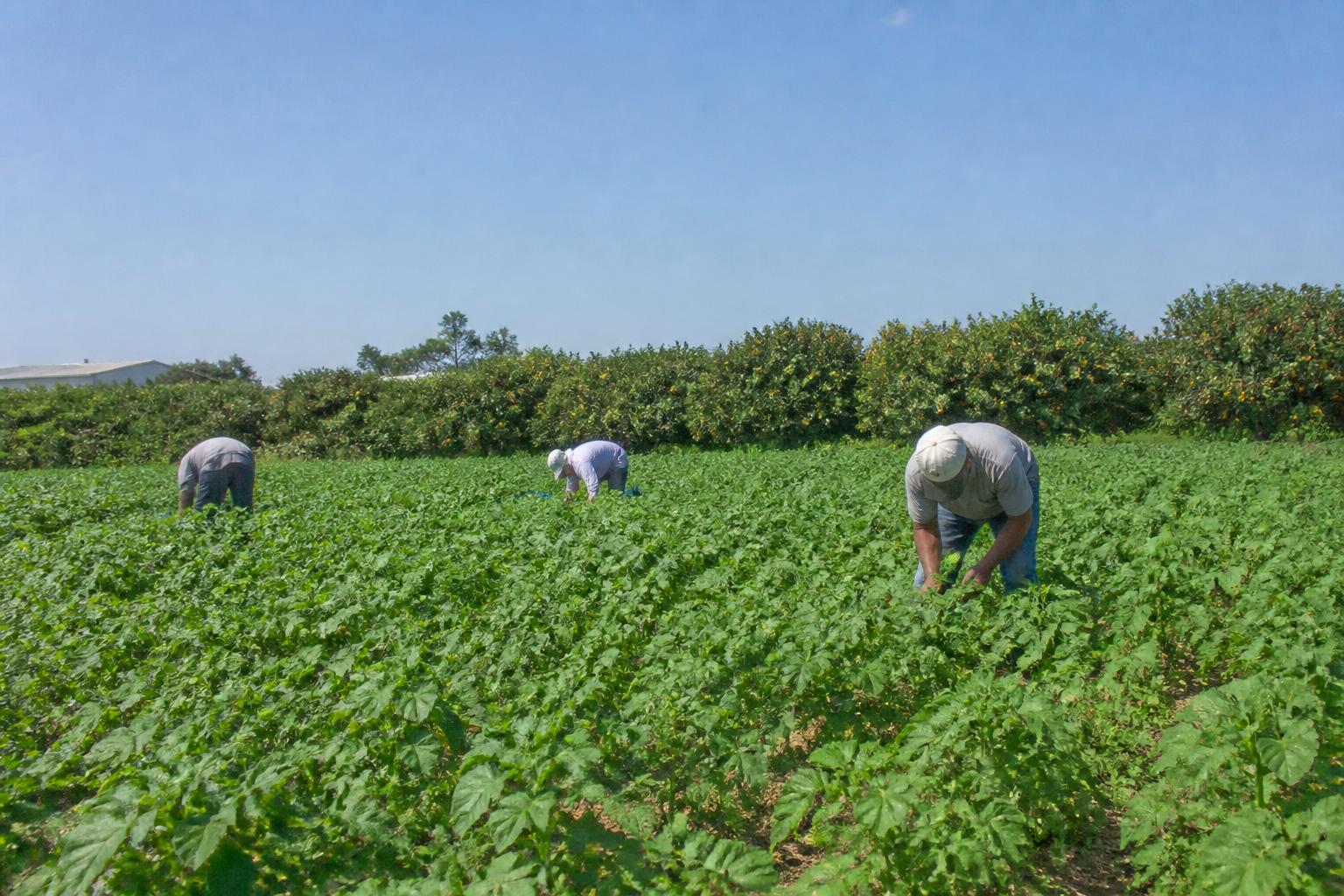
South Carolina's specialty crop sector is getting a logistical and financial boost. The state recently received $603,000 in federal funding to support specialty crops, helping local producers scale their operations and improve supply chain efficiency. Furthermore, a state-backed program is successfully connecting school cafeterias with locally grown produce, increasing the volume of short-haul, regional agricultural shipments.
These local distribution networks require agile, refrigerated transport (reefer) capacity to handle highly perishable goods, including South Carolina's famous peaches and seasonal vegetables. Successfully navigating these localized supply chains can open new doors for regional carriers and elevators, mirroring the broader shifts discussed in South Carolina's grain markets.
Key Takeaways for Palmetto State Operators
- Monitor Rural Road Conditions: Stay updated on SCDOT maintenance schedules and weight restrictions along rural routes to avoid costly detours.
- Leverage Local Contracts: Increased institutional demand for local produce offers stable, short-haul freight opportunities for regional carriers.
- Prepare for Fall Peak: Use the mid-summer period to secure carriage capacity before the heavy peanut, cotton, and grain harvests begin later in the year.
What it means for the market
For South Carolina agribusinesses, the summer of 2026 is a period of strategic calibration. As rising operating costs and regional logistics adjustments put pressure on margins, securing reliable trucking partners early is critical. By taking advantage of specialty crop initiatives and maintaining close communication with local logistics providers, South Carolina growers can keep their supply chains resilient and ensure their products reach both domestic and global markets without costly delays.
Comments
No comments yet — be the first to share your take.