
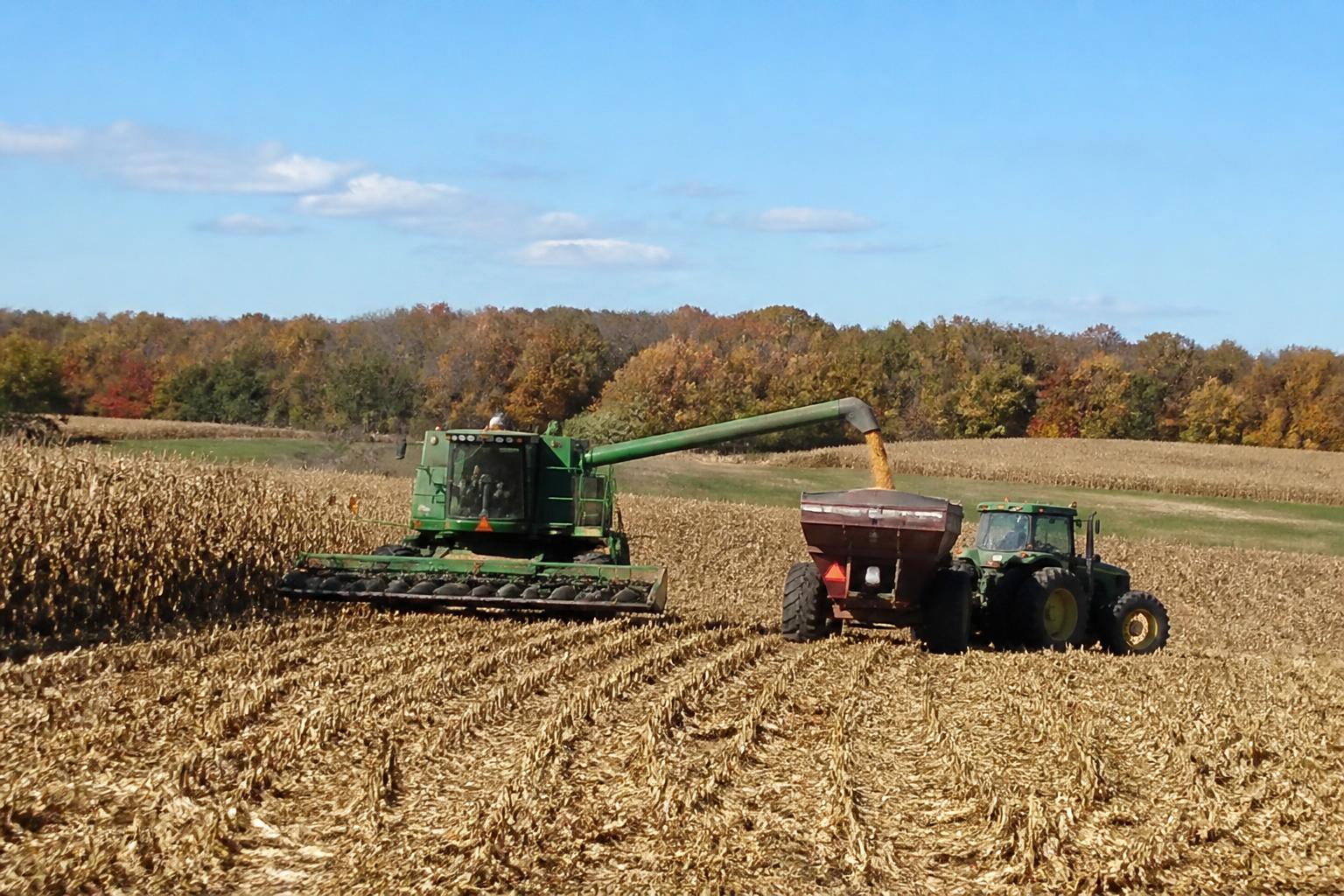
As the fall harvest accelerates across Colorado's varied agricultural landscape, farmers are turning their attention toward critical soil management and input preparations. With fields being cleared from the plains of Eastern Colorado to the high mountain valleys, the window for effective nutrient application is often narrow. Balancing these soil amendments with the logistical pressures of the season remains a priority for operators looking to stabilize their production costs.
Effective nutrient management is often viewed as a cornerstone for maintaining long-term land productivity. For many producers, the current season offers an opportunity to conduct soil testing and evaluate fertilizer requirements based on recent yield results. Ensuring that inputs are secured early can help mitigate potential supply chain bottlenecks or regional transport delays that sometimes emerge during peak harvest activity.
Managing Logistics Amid Seasonal Demand
The movement of agricultural supplies requires close coordination between local cooperatives, freight carriers, and on-farm storage managers. In regions where transit corridors are busy with grain haulers, planning for input deliveries can help avoid conflicts that arise when road infrastructure reaches seasonal capacity. Operators often find that establishing early communication with trusted suppliers helps streamline the arrival of essential soil inputs before winter conditions begin to set in across the state.
Integrating Technology for Better Precision
Advancements in site-specific application are helping many Colorado growers optimize their fertilizer use. By utilizing data collected during the harvest to inform variable-rate applications, producers can often maximize the efficiency of their fall inputs. Integrating these tools is increasingly relevant as farmers continue to monitor logistics and quality management across their operations as the season progresses.
Key Takeaways
- Prioritize soil testing immediately following harvest to establish a baseline for upcoming nutrient needs.
- Coordinate with local suppliers early to manage transit timelines and avoid potential freight shortages.
- Leverage harvest data to refine application maps, potentially improving efficiency and reducing waste.
What it means for the market: The regional fertilizer market in Colorado remains highly sensitive to the interplay between seasonal logistics and farm-gate demand. As producers finalize their harvest, the ability to effectively plan and secure input supplies will play a significant role in managing production costs and setting a stable foundation for the next growing season.
Comments
No comments yet - be the first to share your take.