
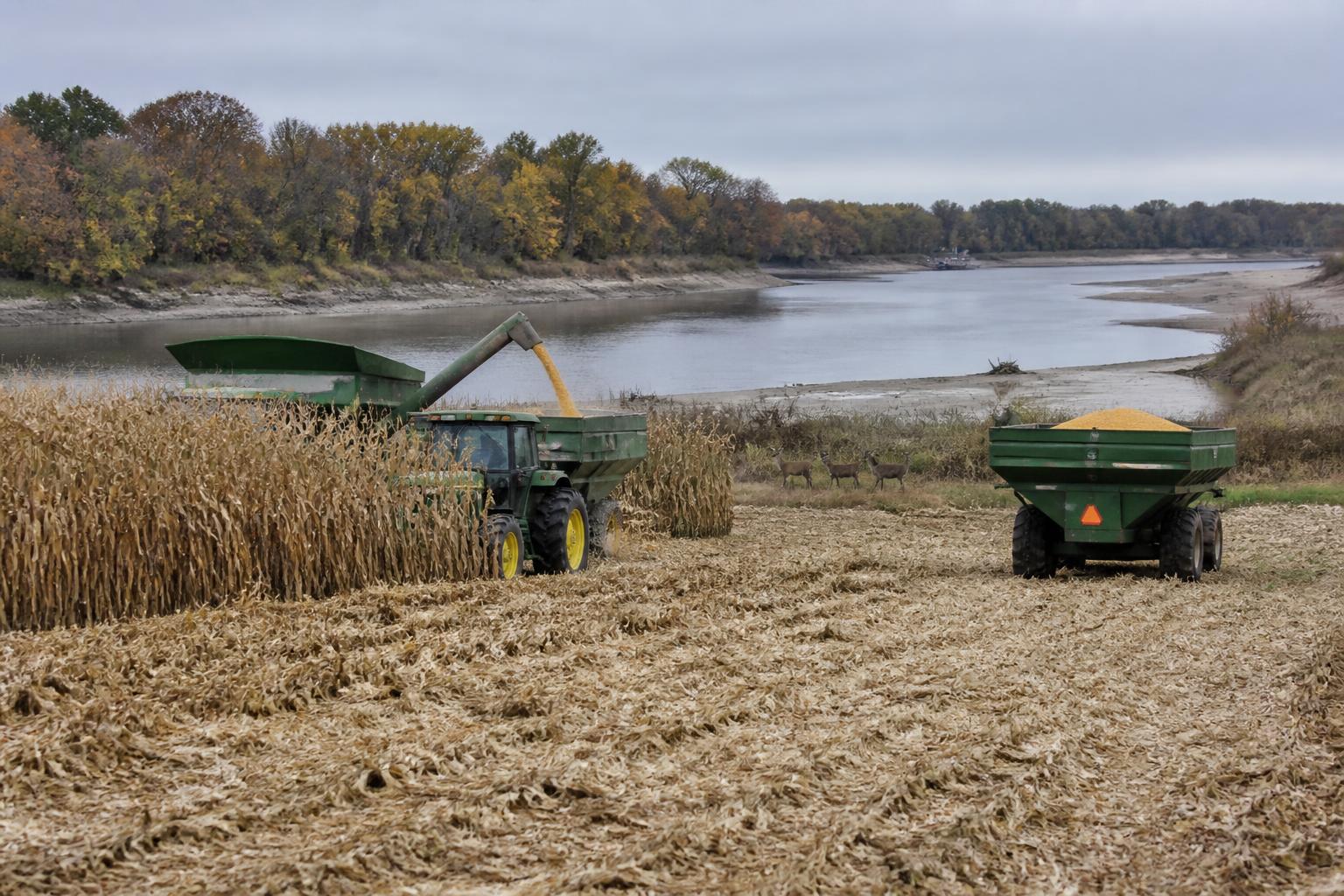
As the fall harvest season hits its stride across the Mississippi Delta, producers are focusing on more than just the speed of the combine. Protecting late-season yields from persistent agricultural pests remains a major operational priority. With wildlife pressure increasing in many rural areas, field management strategies are becoming as vital to profitability as traditional crop inputs.
Mitigating Wildlife Impact on Crop Integrity
Farmers in the state are reporting ongoing challenges with wildlife interference, which can significantly jeopardize grain quality and net output. Beyond the impact of wild hogs, which have long been a concern for local producers, deer and other regional wildlife often gravitate toward maturing crops. Implementing proactive harvest risk management strategies is essential to ensure that the work put into the growing season is not undone by late-stage losses. Many agribusinesses are now utilizing advanced trapping technologies to mitigate these threats, helping to safeguard margins that are already tight.
Logistics and Market Access
Efficiency in moving grain from the field to the elevator is critical during this busy window. As harvest volume increases, logistics often face the added complexity of regional transport constraints. For many, relying on river transit requires a close eye on the evolving Mississippi River conditions. Maintaining clear communication with local grain handlers and trucking partners can help avoid bottlenecks, ensuring that crop movement remains steady regardless of fluctuating transit capacity.
Key Takeaways
- Evaluate field perimeter defenses to minimize losses from localized wildlife activity.
- Sync transport scheduling with local elevator intake rates to reduce idle time for equipment.
- Monitor inland waterway conditions closely to anticipate shifts in basis pricing and logistics costs.
What it means for the market
For Mississippi producers, the ability to control harvest-time variables is the difference between a profitable season and one squeezed by unnecessary losses. By combining effective pest management with disciplined, reactive logistics, farmers can better navigate the current market environment and maximize their returns on the 2026 crop.
Comments
No comments yet - be the first to share your take.