
Navigating Variable Field Conditions
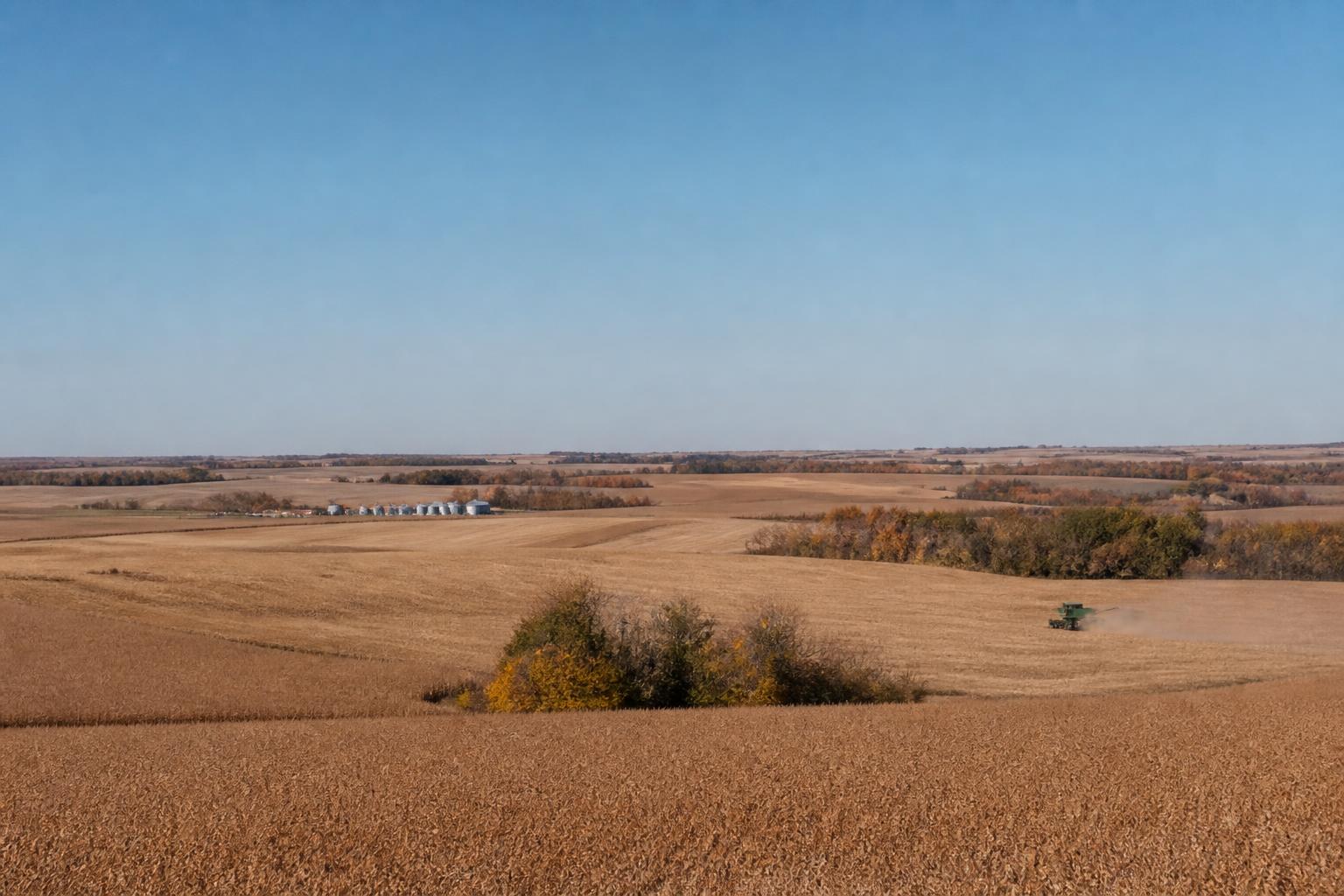
South Dakota producers are moving through a critical phase of the fall harvest as seasonal conditions dictate the pace of operations across the state. While early harvest momentum remains a priority, recent weather patterns have introduced a layer of complexity. Soil moisture levels remain a topic of concern for many, with some regions observing stark differences in maturity and yield potential between fields that benefited from timely rains and those impacted by persistent dry stretches.
These environmental variables often influence how equipment is deployed and where labor is prioritized. For those managing operations in drier regions, the added pressure of potential pest activity, such as grasshoppers, has required producers to stay vigilant. Integrating effective storage and protection strategies is vital as the crop moves from the field to local grain facilities.
Logistics and Cost Management
The movement of grain and livestock continues to be tested by external market factors, most notably the volatility in fuel prices. As haulers and producers coordinate during this high-traffic season, the expense of diesel remains a significant line item for any operation. Managing fuel efficiency and optimizing transport routes during peak periods can help mitigate some of these rising costs, allowing agribusinesses to maintain better margins throughout the autumn.
It is often helpful for operators to coordinate closely with their grain elevators and transport partners early in the week. By maintaining clear lines of communication regarding delivery schedules, managers can navigate potential bottlenecks and ensure that logistics remain aligned with the storage realities of the current cycle.
What it means for the market
For South Dakota farmers and logistics providers, this fall is defined by the need for agility. Success in the current market hinges on balancing immediate harvest speed with long-term input management. By carefully monitoring soil moisture impacts on crop quality and planning for fuel price fluctuations, stakeholders can better position themselves to handle the logistical demands of the upcoming weeks, ensuring that product moves efficiently from the combine to the final market destination.
Comments
No comments yet - be the first to share your take.