
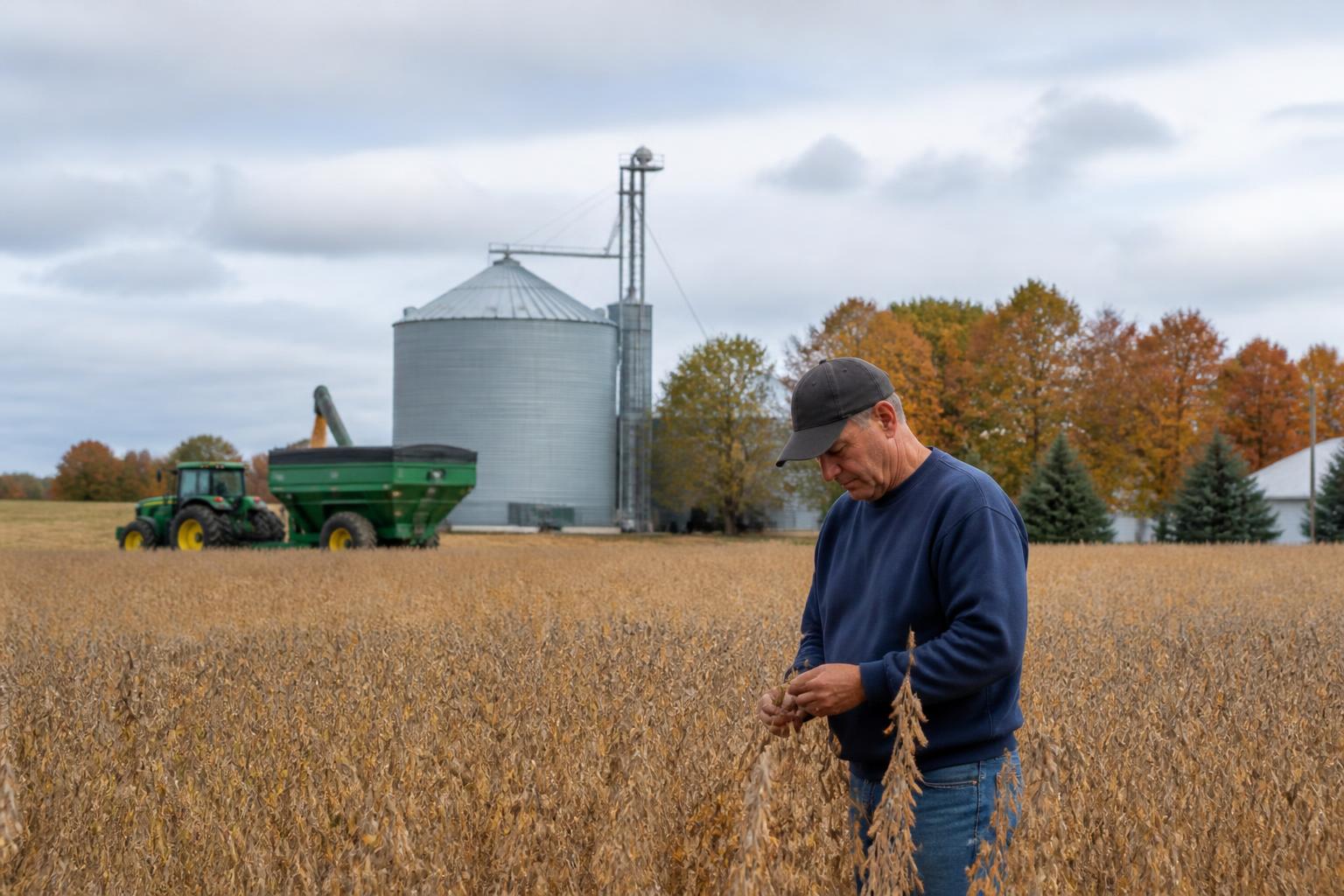
As harvest activity begins to gain momentum across Minnesota, producers are turning their attention toward input management for the upcoming cycle. With market volatility remaining a constant concern, many growers are closely evaluating their fertilizer budgets, particularly regarding phosphate application. The current price landscape is compelling a more measured approach, with expectations for potential cutbacks in fall nutrient programs as farmers seek to stabilize operational costs.
Evaluating Nutrient Needs Amid Financial Headwinds
The decision to scale back on phosphorus is increasingly common as farms assess their bottom lines. In regions where soil fertility may allow for greater flexibility, some producers are opting for precision testing to justify reduced application rates. This analytical mindset is critical as operators attempt to navigate wider market pressures, including broader economic challenges currently impacting Minnesota agriculture. By focusing on site-specific requirements rather than blanket applications, many are hoping to maintain yield potential while protecting cash flow.
Infrastructure and Future Supply Capacity
While near-term decisions are driven by cost, long-term supply stability remains on the radar for regional stakeholders. Recent developments in the domestic production landscape, such as planned investments in U.S. phosphate manufacturing, signal an interest in strengthening the local supply chain. These efforts seek to reduce reliance on external volatility, though the impact on farm-gate prices will likely take time to materialize.
Key Takeaways for Producers
- Prioritize Soil Testing: Utilize current soil data to determine where phosphate reductions can be made without compromising yield stability.
- Monitor Input Costs: Maintain close communication with local suppliers regarding seasonal price fluctuations and availability.
- Risk Management: Use this fall as a period for conservative financial planning, keeping long-term soil health and operational sustainability in balance.
What it means for the market: The shift toward more conservative nutrient application this fall is a direct response to current fertilizer pricing and broader farm profitability concerns. For the Minnesota market, this suggests a potentially softer demand for phosphate products in the near term, with increased emphasis on precision application and data-driven agronomy to maximize every dollar spent on inputs.
Comments
No comments yet - be the first to share your take.