
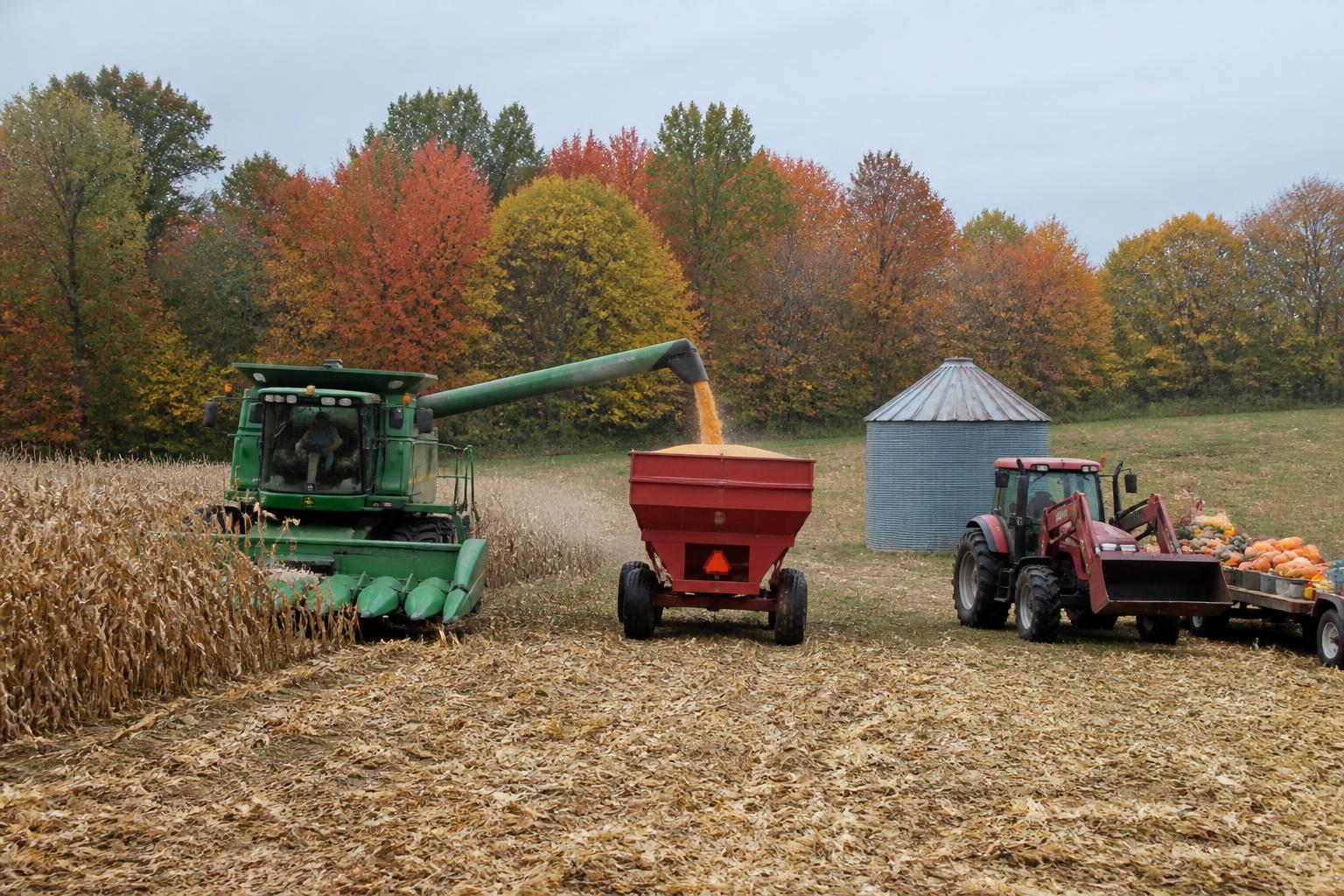
As the fall harvest accelerates across Minnesota, producers are focused on balancing field efficiency with the ongoing demands of optimizing grain movement. With harvest activity picking up in southern corridors and northern regions, ensuring that storage and transport systems remain operational is vital for managing regional throughput.
Managing On-Farm Grain Assets
For many operators, the focus during this season is on maintaining the integrity of the crop from field to bin. Proactive grain storage management is essential as regional facilities navigate shifting capacity demands. Producers are encouraged to monitor moisture levels closely, especially when harvest timing is impacted by localized weather patterns, which can often dictate the pace of field entry.
Regional Logistics and Export Outlook
Logistics continue to be a primary pillar of profitability for the state's agricultural sector. Keeping grain flowing smoothly to terminals and processors requires close coordination with local carriers and rail partners. In some areas, producers are carefully weighing their storage options against regional pricing signals, as the broader market continues to experience fluctuations that can affect local elevator bids.
What it means for the market
The convergence of peak harvest activity and market sensitivity means that decision-making remains tight. By prioritizing efficient storage and staying agile with logistical plans, Minnesota agribusinesses can better navigate the pressure points inherent in a busy harvest cycle. Keeping a close eye on local demand and transport bottlenecks will be a key factor for success as the state moves deeper into the fall season.
Comments
No comments yet - be the first to share your take.