
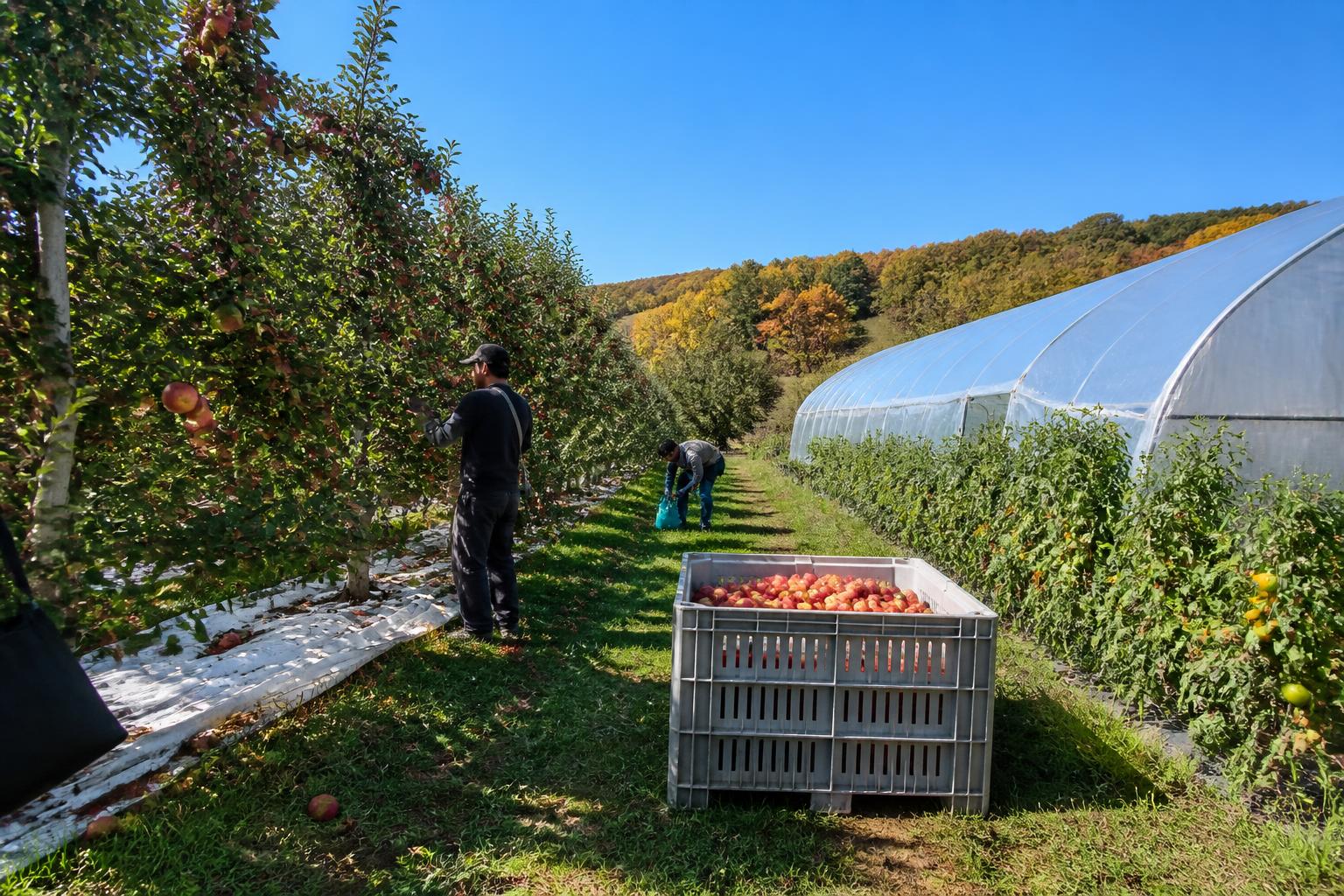
As the fall harvest gains momentum across Vermont, growers are navigating a complex intersection of environmental conditions and evolving market dynamics. From the rolling orchards expected to see a fruitful apple season to vegetable producers fine-tuning their high-tunnel systems, the state's agricultural sector is focused on quality and efficiency during this critical window.
Technology adoption remains a focal point for small-to-mid-sized operations looking to optimize output. Many producers are increasingly turning to precision tools to monitor crop health and streamline labor-intensive processes, ensuring that harvest yields remain competitive despite rising operational costs.
Adapting Production Strategies
The use of high tunnels has become a standard approach for extending the growing season for high-value crops like tomatoes. By creating a controlled environment, farmers can better mitigate the risks associated with Vermont's variable late-season weather patterns. This, in turn, allows for more consistent delivery to local markets and farm stands, keeping regional produce available longer into the colder months.
However, the sector continues to grapple with broader pressures. Whether addressing soil health in drought-prone areas or navigating shifts in state-level regulatory frameworks, growers are finding that success requires a delicate balance between traditional farming practices and modern management techniques.
Strengthening Regional Supply Chains
Logistical and market integration continues to evolve, with new partnerships aimed at keeping Vermont-grown products within the state. Recent collaborative efforts, such as the increased institutional sourcing of local dairy, highlight a shift toward regional resilience. As producers prepare for the upcoming market events and seasonal expos, the emphasis on local quality remains the strongest tool for maintaining market share against broader, less localized competitors.
What it means for the market
For grain handlers, input buyers, and local agribusinesses, the current period represents a crucial time to align supply strategies with late-harvest availability. Producers who lean into technical precision and infrastructure investment are better positioned to weather regulatory volatility. As the season progresses, market participants should keep a close watch on how shifts in local procurement and continued labor management influence price stability and product availability throughout the winter months.
Comments
No comments yet - be the first to share your take.