
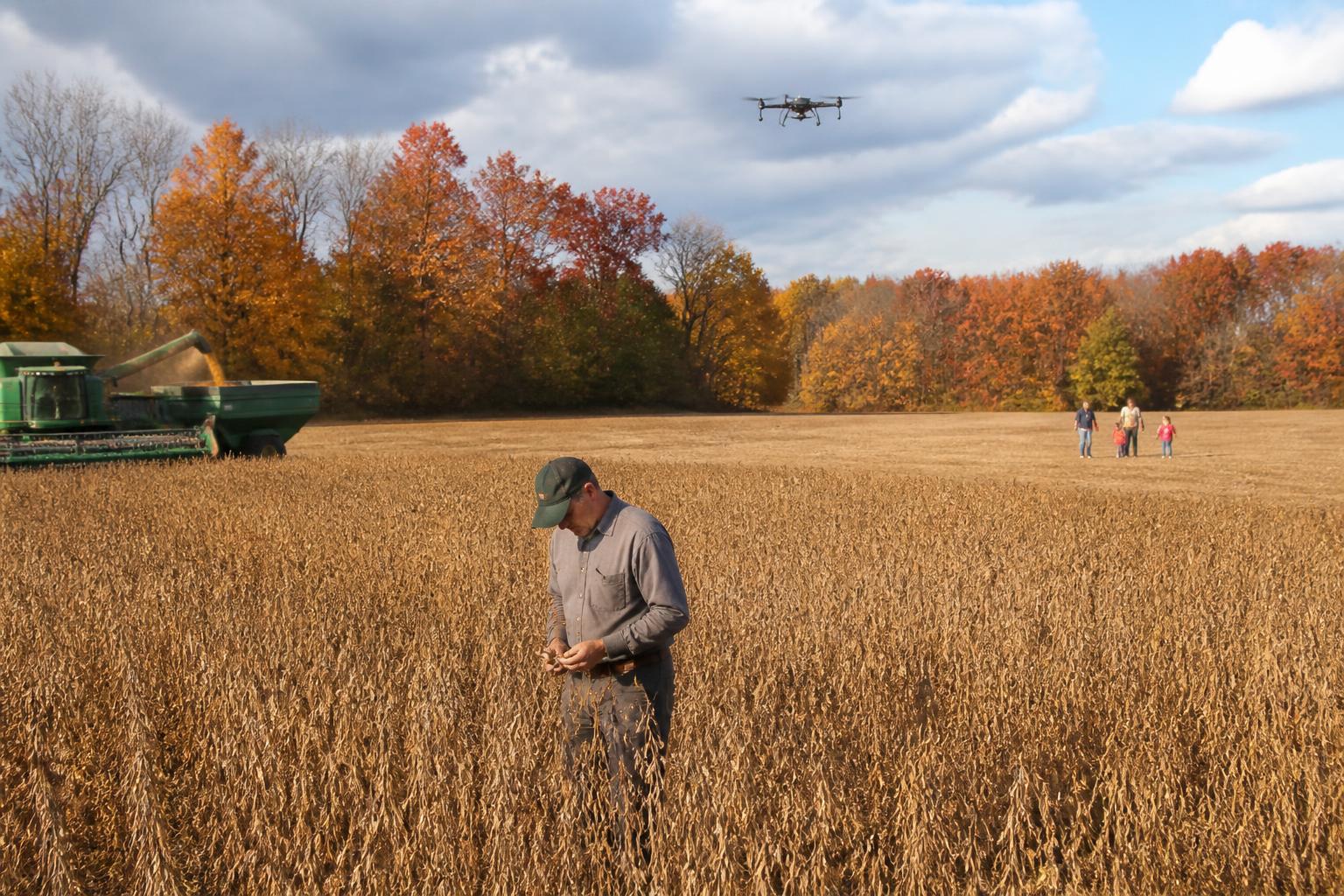
Accelerated Field Activity Across Tennessee
As the fall season takes hold, Tennessee producers are seeing rapid progress in their row crop fields. Recent activity indicates that the state has been outpacing many other regions in corn harvest speed. This push is critical as growers look to capitalize on favorable weather windows, though soil moisture levels remain variable across the state's diverse agricultural landscape.
For those managing the flow of commodities, these harvest-season dynamics necessitate tight coordination. Whether transporting loads toward elevators along the Mississippi River or navigating local trucking routes, operators are encouraged to stay attuned to transit updates as heavy machinery and grain haulers increase road density.
Squeezed Margins and Operational Headwinds
Despite the strong pace of the harvest, the current agricultural environment remains difficult for many families across the state. Producers are contending with a convergence of rising input costs, fluctuating market prices, and unpredictable weather patterns. These factors create a complex decision-making environment for grain marketing, as farmers weigh current price offerings against storage capabilities and cash flow needs.
In the broader industry, discussions continue regarding how trade policy and international market shifts impact domestic soybean profitability. This uncertainty filters down to the local level, where Tennessee growers are carefully monitoring market signals to determine the most effective strategy for moving their fall production.
Focus on Local Resilience
Beyond the grain markets, Tennessee's agricultural community continues to show resilience. While row crop farmers tackle the fall harvest, other sectors such as local beef production are gaining renewed interest as consumers seek out regional options. This diversification in the state's agricultural portfolio provides a buffer, though the primary focus for most remains the high-stakes work currently occurring in the fields.
What it means for the market: Producers should expect continued logistical tight spots as peak harvest activity continues across Tennessee. Monitoring local moisture conditions and maintaining flexibility in marketing plans will be essential for navigating the remainder of the season. Given the dual pressures of market volatility and local climate variables, staying informed on regional delivery windows and elevator capacity will be key to managing successful harvest-end operations.
Comments
No comments yet - be the first to share your take.