
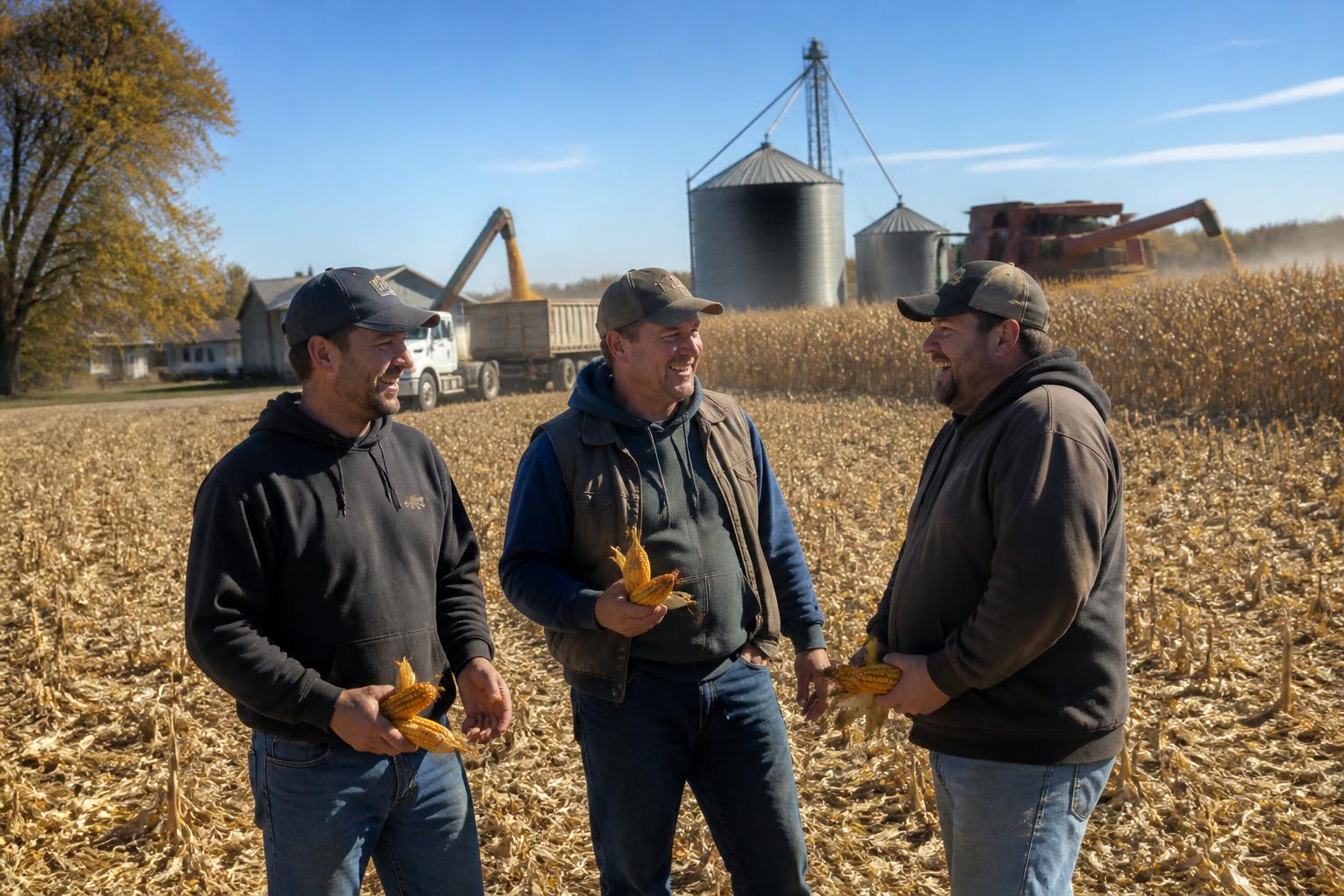
Hawaii continues to hold a specialized position within the broader U.S. agricultural economy, particularly as a critical hub for the research and production of seed stock. Recent announcements from major industry players like Bayer regarding planned workforce reductions underscore the ongoing volatility within the seed production sector. These adjustments are felt acutely across the islands, where the intersection of high-value agriculture and global supply chain demands creates a unique operational environment.
The Evolving Role of Seed Production
The state has long served as a year-round nursery for global corn and soybean research, benefiting from its stable climate. However, the industry is increasingly moving toward leaner operational models. For local growers and those involved in the supply chain, these changes may lead to shifts in land use and labor requirements. As organizations refine their global footprints, it is essential for stakeholders to monitor how these decisions impact local grain buyers, sellers and prices in Hawaii, as well as the overall demand for agricultural services.
Market Outlook and Operational Strategy
Beyond the immediate news of layoffs, the broader context of seed innovation continues to progress. Programs designed to support farmers and encourage the next century of agricultural development remain a focal point. Agribusinesses across the islands may need to adapt to a landscape that balances traditional seed production with new, localized research initiatives. Maintaining operational flexibility will likely be key for those navigating these industry-wide restructurings.
What it means for the market: The consolidation of major seed production facilities in Hawaii points toward a tightening of local job markets and a potential refocusing of regional agricultural priorities. While the state remains a strategic asset for large-scale seed development, businesses connected to this sector should prepare for continued adjustments as global firms optimize their production cycles.
Comments
No comments yet - be the first to share your take.