
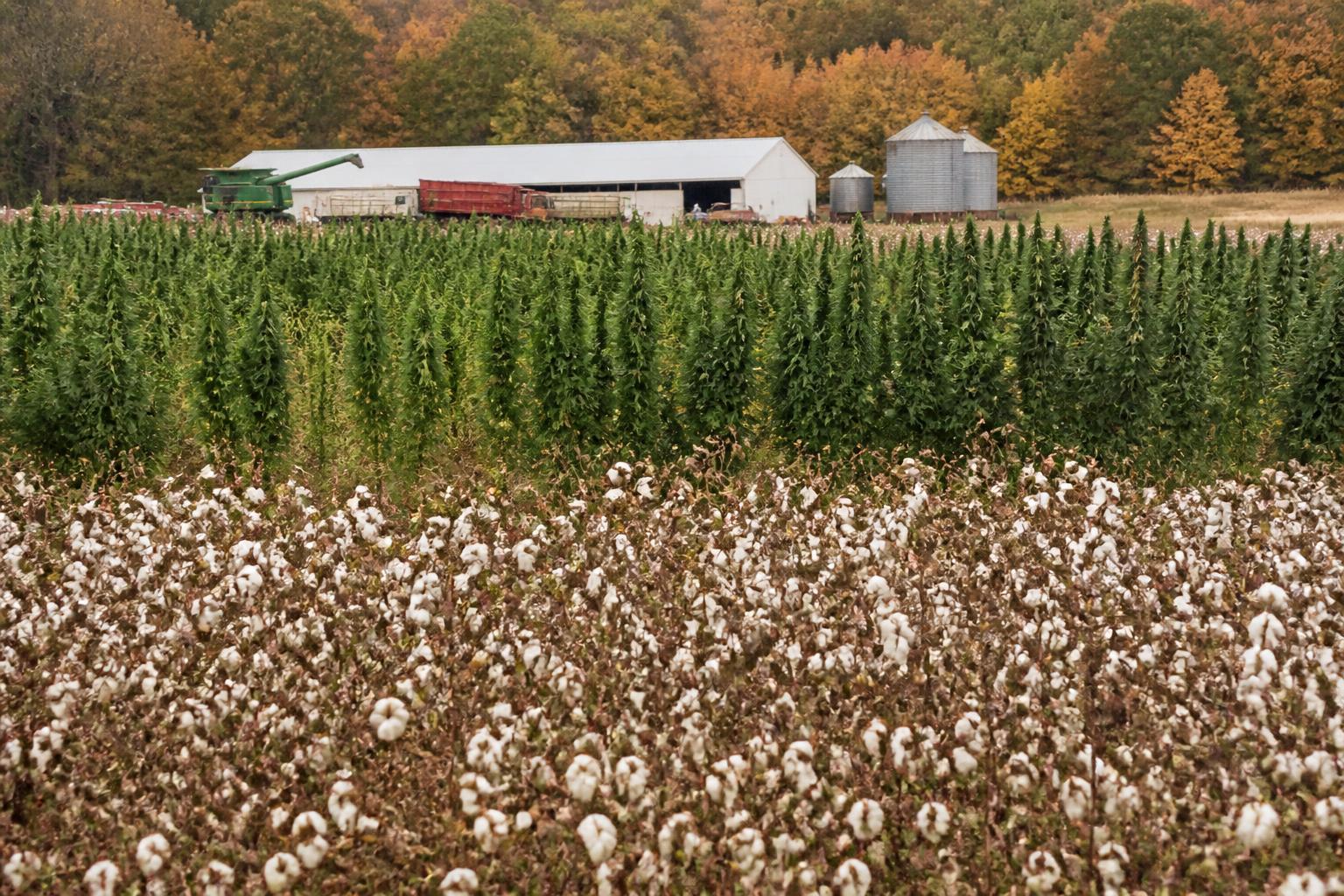
As North Carolina growers move deeper into the fall harvest season, the focus for many agribusinesses and carriers shifts toward managing the inevitable pressures on local transportation infrastructure. Ensuring efficient grain and produce movement remains a top priority, particularly as regional operations look to optimize their supply chains during this high-activity period. Understanding seasonal harvest logistics is essential for minimizing downtime and keeping commodities moving from the field to local elevators or processing hubs.
Increased industrial development, particularly near major arteries like the I-40 corridor, continues to reshape the landscape for rural logistics. While these projects signal long-term economic growth, they often introduce temporary bottlenecks during peak agricultural windows. For carriers and grain handlers, proactive communication and route planning are key to navigating these changing traffic patterns. Growers who maintain strong ties with local freight providers and regional storage facilities often find themselves in a better position to handle the surge in transport demand characteristic of September and October.
Strategic Planning for Tight Windows
The convergence of industrial expansion and seasonal commodity volume necessitates a disciplined approach to inventory and hauling. In many parts of the state, the ability to rapidly offload grain at harvest points can be the difference between maintaining moisture-sensitive quality standards and facing post-harvest losses. Agribusinesses are encouraged to review their transport contracts and terminal capacity estimates now, rather than waiting for the peak bottleneck periods that can occur as late-harvest crops hit the facilities.
Ultimately, successful navigation of the current market requires balancing broader economic variables, such as potential shifts in national trade policy and legislative developments, with the day-to-day realities of local movement. By maintaining clear communication with regional transport partners, North Carolina stakeholders can help preserve the integrity of their harvest flow even as the state's logistics landscape continues to evolve.
What it means for the market
For farmers and handlers, the current environment demands a high degree of operational flexibility. Anticipating potential congestion along key freight routes and coordinating early with transport partners can help stabilize supply chain costs, protecting margins during a time of increased volatility in the broader agricultural economy.
Comments
No comments yet - be the first to share your take.