
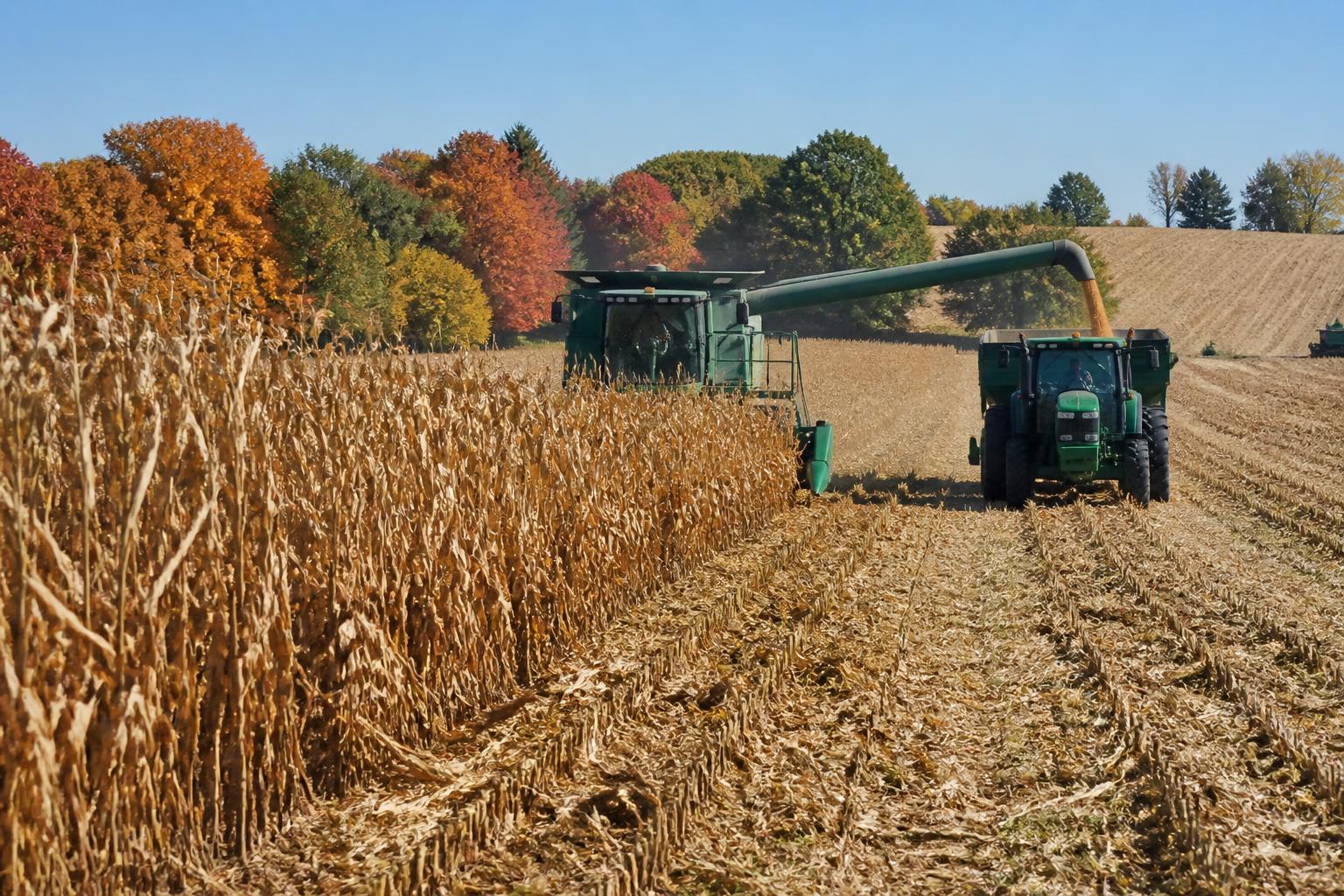
As the fall harvest season accelerates across North Carolina, agricultural producers and supply chain partners are shifting their focus toward maximizing throughput while navigating the inherent logistical challenges of the peak collection period. With fields in eastern and central regions showing varying maturity levels, the demand for timely movement from farm to grain elevator is intensifying.
For many operators, this season requires a careful balancing of equipment availability and labor coordination. As grain movement intensifies across North Carolina, regional elevators typically adjust their receiving hours to accommodate the surge in truck traffic. Efficient scheduling remains a primary tool for producers looking to minimize wait times at scales and keep harvesting machinery moving through the fields during optimal weather windows.
Optimizing Logistics During Peak Flow
The interplay between commodity pricing and logistics continues to be a central theme for North Carolina agribusinesses this autumn. In periods of high seasonal volume, local transit routes may experience increased density, necessitating proactive communication between fleet managers and facility operators. For carriers, staying attuned to local road conditions and potential weight restrictions is essential to maintaining a steady flow of commodities to the state’s key processing hubs and storage facilities.
Focusing on Infrastructure and Efficiency
Agribusinesses are increasingly looking at long-term infrastructure improvements to streamline the annual harvest rush. Whether through upgraded unloading technology or expanded on-farm storage, the goal remains to decouple harvesting speed from immediate commercial transit constraints. As producers evaluate their seasonal throughput, the ability to manage localized bottlenecks becomes a significant factor in protecting overall profit margins during this critical time of year.
What it means for the market
As North Carolina enters the heart of the fall harvest, market participants should anticipate continued logistical friction as volume peaks. Producers and handlers who prioritize clear communication with logistics partners and leverage available on-site storage are better positioned to mitigate the risks of seasonal transit delays. Maintaining operational flexibility in the face of varying field conditions will be a key driver of efficiency throughout the remainder of the harvest window.
Comments
No comments yet - be the first to share your take.