
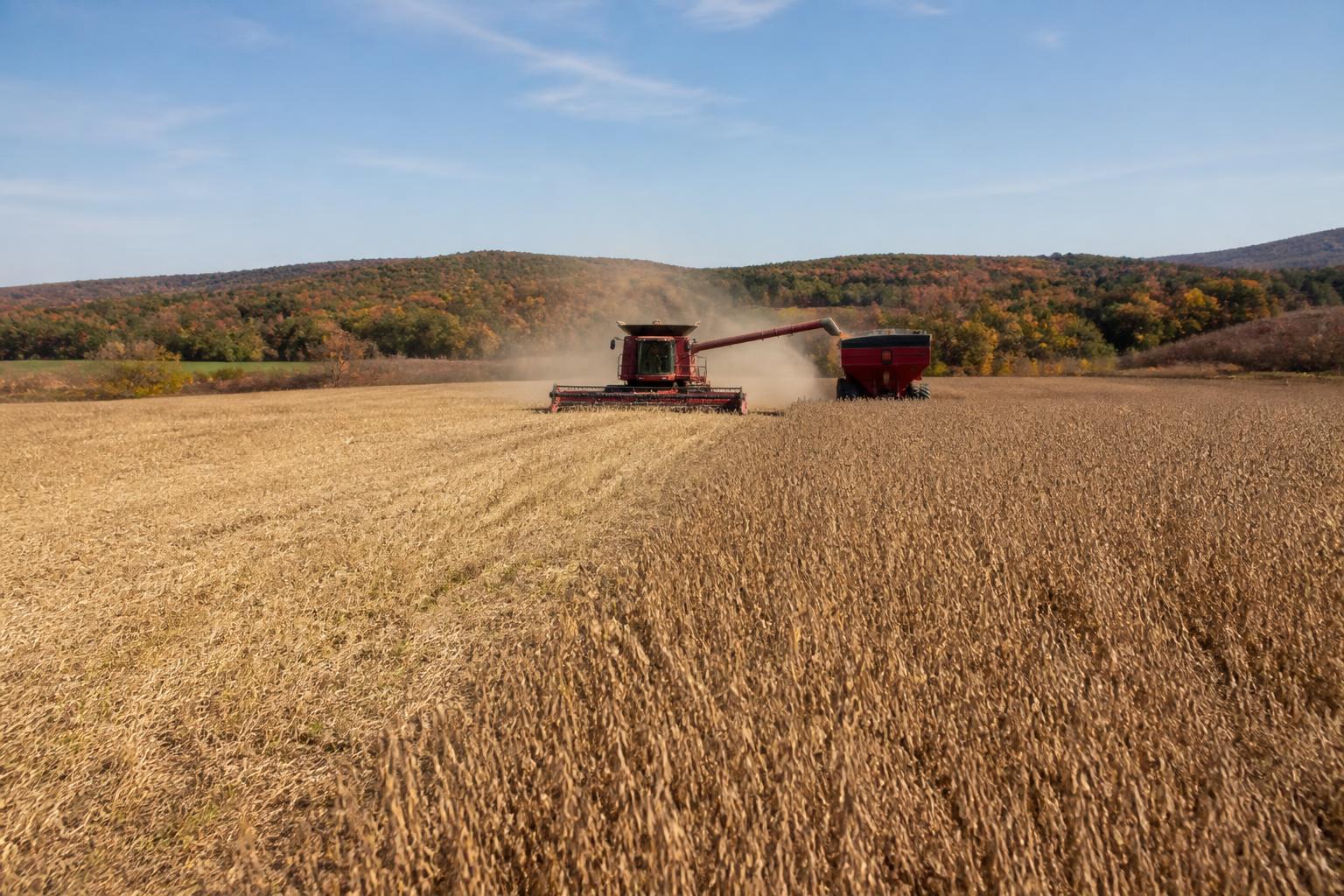
With the fall season in full swing across Colorado, the focus has shifted toward the complex logistics of moving grain and managing storage capacity. As harvest operations move through the state, farmers and handlers are increasingly looking at ways to streamline the post-harvest pipeline to prevent bottlenecks during peak shipping windows.
Addressing Infrastructure and Storage
Efficient movement of agricultural commodities remains a priority, particularly as farmers balance the need for immediate delivery with the benefits of strategic storage. In regions ranging from the Eastern Plains to the Front Range, maintaining high-quality grain during transit requires close attention to moisture levels and handling procedures. Experts often emphasize that minimizing downtime and ensuring equipment readiness can make a significant difference when regional transport demand intensifies.
Navigating Market Volatility
Broader market dynamics continue to influence local sentiment, with many producers keeping a close watch on global supply trends and international trade policies. While global developments can often create ripples in local pricing, regional operators are finding that local storage flexibility remains one of the most effective tools for navigating periods of market instability. The ability to hold grain when shipping logistics tighten can provide a buffer against the immediate pressure of peak season volume.
What it means for the market
For Colorado agribusinesses and farmers, the current environment underscores the need for proactive communication with transport partners and a disciplined approach to inventory management. Focusing on operational efficiency now can help mitigate the risks associated with potential shipping delays or price fluctuations, ensuring that the season's yield is managed with a long-term view toward profitability.
Comments
No comments yet - be the first to share your take.