
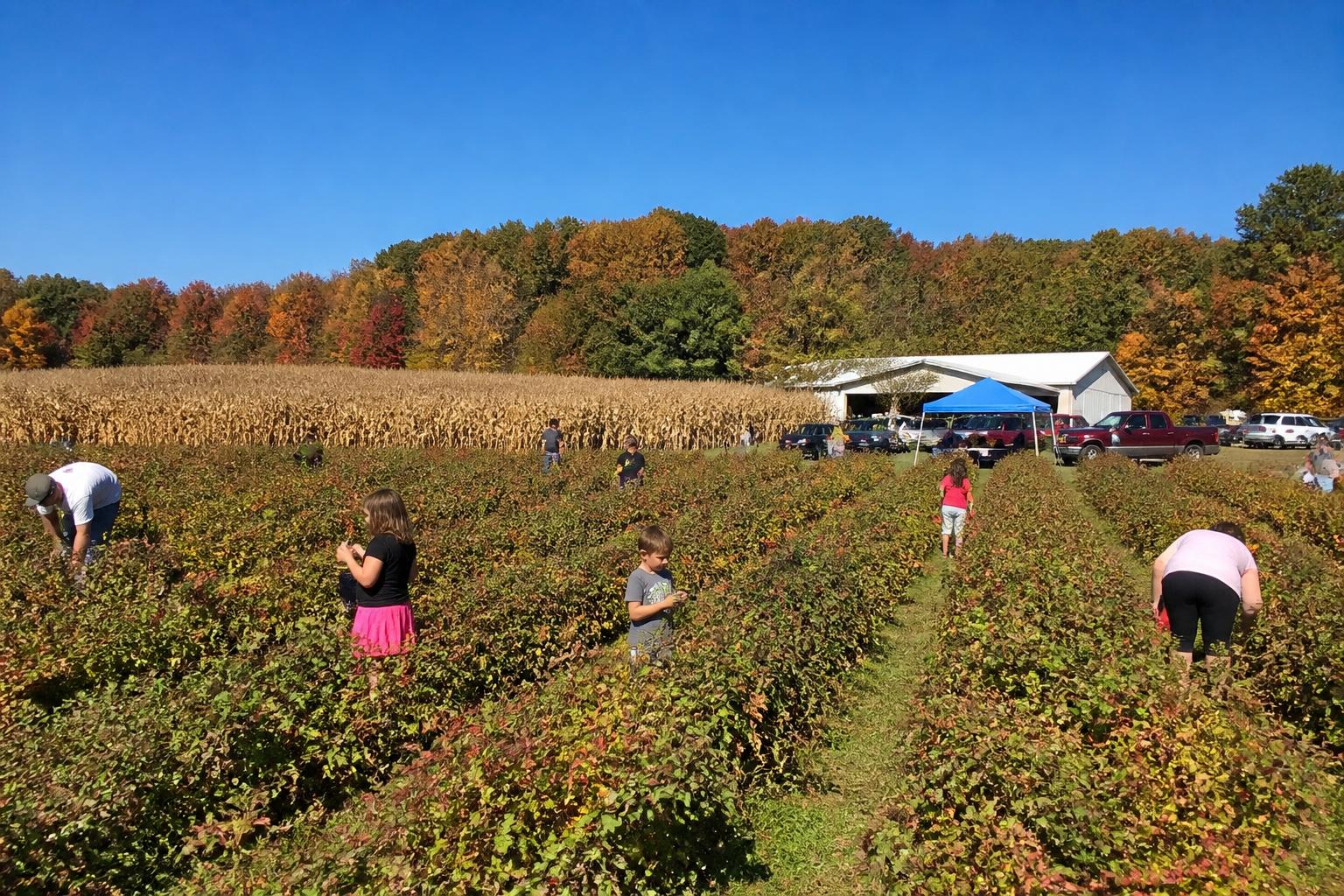
With the fall harvest gaining momentum across Tennessee, producers and grain handlers are focusing on optimizing transit routes and managing the logistical demands that define the current season. Ensuring consistent movement of commodities from field to storage requires careful coordination, especially as activity increases along key rural corridors and state transit networks.
For those managing the flow of grain and local agricultural goods, staying updated on regional developments is essential for maintaining supply chain fluidity. Managing logistics as fall harvest gains momentum requires a proactive approach to equipment movement and coordination with local grain elevators, which are often at peak capacity during these months.
Optimizing Regional Transit
In various parts of the state, agricultural producers are balancing the demands of harvest with the complexities of road use. Whether dealing with weight limitations or simply navigating high-traffic seasonal periods, understanding the local road landscape is a key factor in reducing downtime. Maintaining efficient access to infrastructure remains a pillar of regional competitiveness, helping ensure that harvest-ready crops reach their destination without unnecessary delays.
Logistics and Market Readiness
The coordination between field operations and logistics providers remains a critical component of the broader Tennessee agricultural economy. As harvest progresses, market volatility and operational expenses such as fuel can create additional pressures. Efficiently routing transport and anticipating peak transit times can help mitigate some of these variables, allowing operators to focus on maximizing throughput during the limited harvest window.
What it means for the market
For Tennessee farmers and agribusinesses, the primary focus is minimizing friction in the supply chain. Prioritizing clear communication with carriers and monitoring local road conditions will be instrumental in managing costs and ensuring timely delivery as the season advances. Success this fall will likely depend on the ability to remain agile in response to both logistical hurdles and the broader market signals impacting regional trade.
Comments
No comments yet - be the first to share your take.