
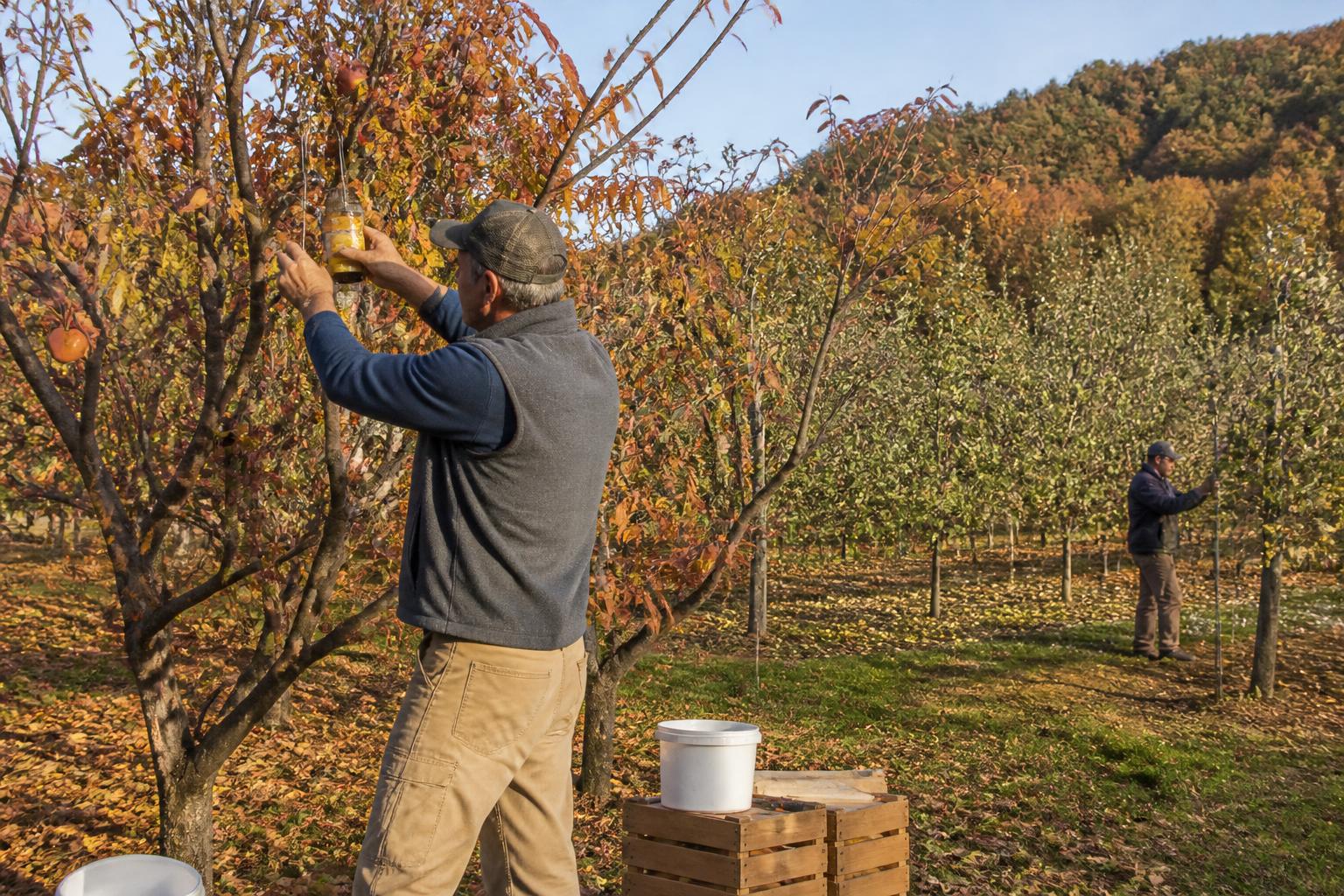
With the harvest season currently in full swing across Georgia, regional producers and logistics managers are turning their attention to the resilience of the state's transport networks. The movement of agricultural commodities through major corridors remains a critical focus for those looking to manage costs and ensure timely delivery, particularly as regional operations adapt to shifting infrastructure needs.
Efficient logistics for the Georgia agriculture sector are essential during these high-activity months. Maintaining smooth transitions from rural transit hubs to primary export gateways, such as the Port of Savannah, helps mitigate potential bottlenecks that can arise during peak transport windows. Agribusinesses across the state are encouraged to review their routing strategies to account for any localized infrastructure updates that may influence transit times for grain and other commodities.
Technology Integration in Regional Operations
Beyond traditional trucking, the adoption of modern diagnostic and surveying tools is beginning to reshape how land management is approached in Georgia. Increased use of drone-based surveying and data collection services—often deployed by firms with wide-reaching state licenses—is providing operators with better insights into field conditions and transport accessibility. While these tools currently focus on infrastructure and land assessments, they represent a broader trend of technological integration within the regional supply chain.
Managing Seasonal Transit Pressures
As the season progresses, market participants often face the dual challenge of balancing labor availability with fluctuating fuel costs. In some parts of the state, proactive planning regarding storage and carrier scheduling has proven effective in minimizing the impacts of unpredictable transit delays. Maintaining open communication with local grain elevators and terminal operators remains a recommended practice to avoid unnecessary idling or last-minute changes to logistical load-out schedules.
What it means for the market
For Georgia’s agricultural businesses, the focus remains on operational agility. By staying informed on infrastructure developments and leveraging site-specific logistical data, producers and handlers can better position themselves to navigate the seasonal surge, ultimately supporting more stable export flows and cost-effective domestic movement throughout the remainder of the year.
Comments
No comments yet - be the first to share your take.