
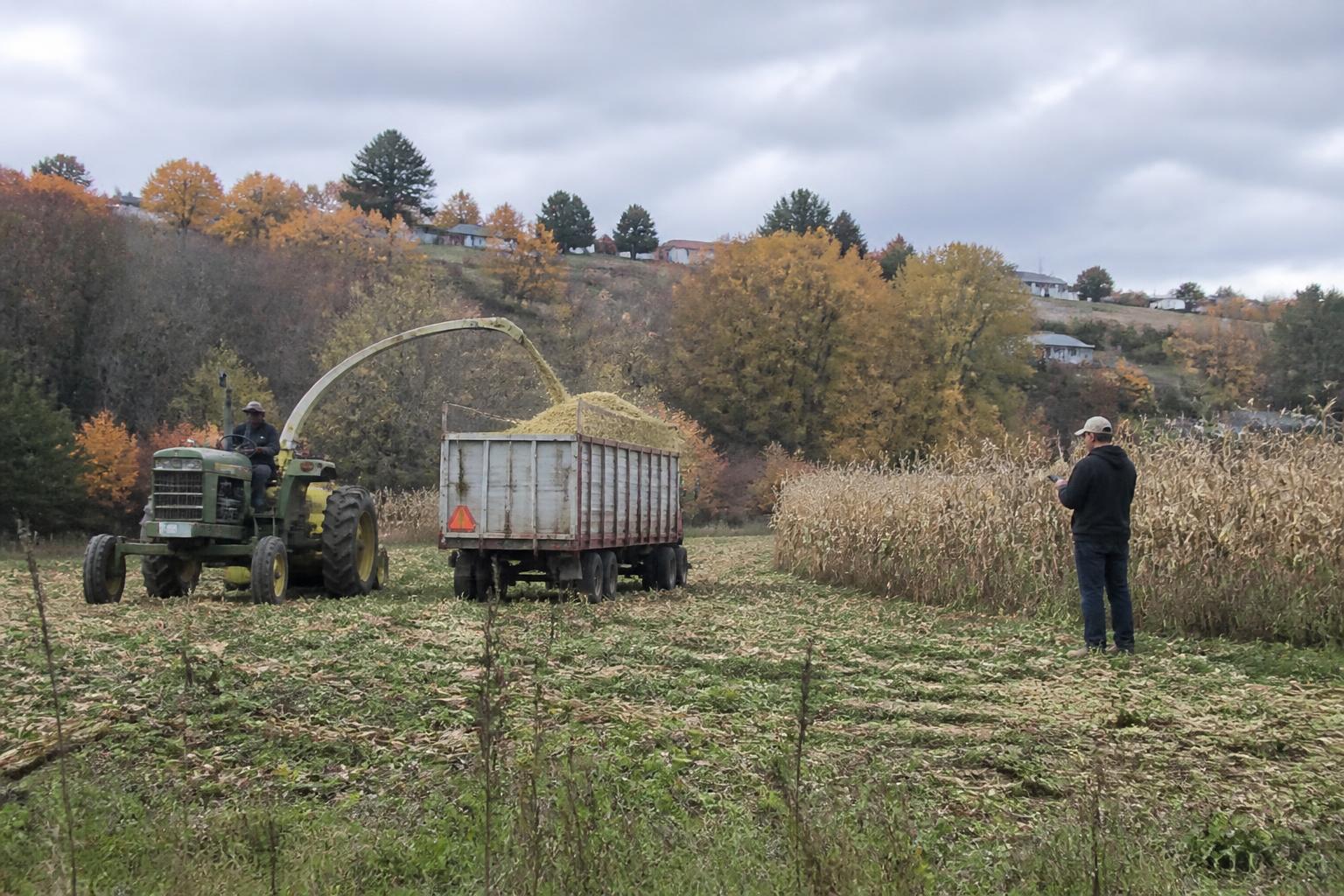
As we move through the harvest season in New Mexico, the agricultural sector is seeing shifts in how local businesses manage logistics, labor, and compliance. With the transition into fall, market participants are weighing the long-term impact of regulatory adjustments and new support mechanisms aimed at bolstering the state's specialty crop and livestock sectors.
Expanding Local Processing Capabilities
A significant development for the state's livestock industry is the recent inclusion of New Mexico in the USDA State Meat and Poultry Inspection Program. For local producers and processors, this transition may streamline operations by allowing state-inspected products to move more efficiently through regional markets. This shift comes at a critical time as stakeholders continue to evaluate the complexities of regional trade, including how livestock movement and biosecurity protocols across border regions affect overall supply chain predictability.
Support for Workforce Development
Labor remains a persistent concern for many rural agribusinesses across the state, from the northern valleys to the southern plains. Recent initiatives have introduced opportunities for agricultural businesses to receive reimbursements for hiring interns. These programs aim to bridge the gap between education and field application, offering a practical way for operations to manage labor intensity during peak seasonal transitions. This focus on workforce capacity is essential as producers navigate the pressure of tightening margins that have characterized much of the current agricultural year.
Policy Focus on Specialty Crops
Legislation such as the proposed CHILE Act highlights a growing legislative focus on supporting the state's specialty crop farmers. By aiming to provide targeted assistance, these efforts reflect the importance of maintaining competitiveness for high-value regional commodities. For many, this policy attention is viewed as a necessary step to help producers withstand broader market volatility, particularly as they manage their long-term diversification strategies in a challenging climate.
What it means for the market
For grain handlers, processors, and livestock operators, the current environment emphasizes the need for operational agility. While regulatory changes like the new meat inspection framework offer a pathway to improved local efficiency, producers must remain diligent in balancing these structural adjustments against ongoing input cost pressures. Keeping a close watch on how these state-level programs align with national agricultural trends will be key to navigating the remainder of the year.
Comments
No comments yet - be the first to share your take.