
With seasonal freight demands peaking, local transportation corridors like Interstate 16 and Interstate 75 are seeing heavy traffic. From temperature-controlled poultry shipments to fresh produce, the state's transport infrastructure is under pressure to keep supply chains moving smoothly during these warm weather months.
Connecting Rural Production to Global Markets
Georgia's sustained export success relies heavily on its logistics backbone. The Port of Savannah serves as a primary gateway for southeastern poultry, peanuts, and forest products. Moving these high-volume goods from the interior of the state to coastal shipping terminals requires a steady supply of dry vans, flatbeds, and refrigerated trailers.
To keep pace with demand, infrastructure improvements and educational initiatives are expanding. Institutions like Georgia Southern University and Ogeechee Technical College have linked their supply chain programs to train the next generation of logistics specialists. This focus on workforce development comes at a critical time as Georgia ag logistics expansion continues to grapple with shifting export dynamics and complex port requirements.
Reefer Demand Climbs with Greenhouse Expansion
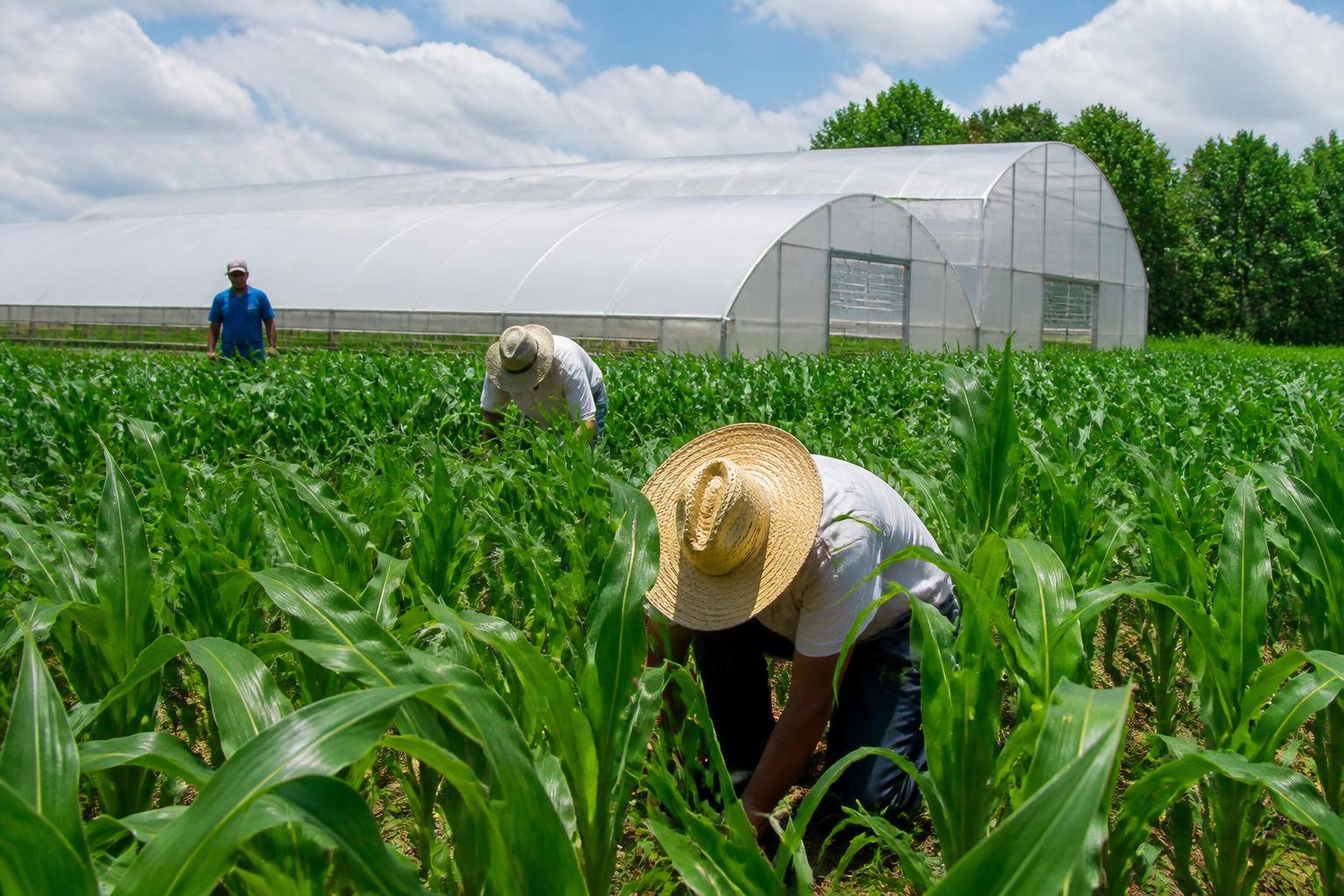
While row crops and poultry remain shipping staples, Georgia's agricultural landscape is rapidly diversifying with massive indoor growing operations. The addition of state-of-the-art facilities, such as the BrightFarms greenhouse network and PureFlavor's 75-acre greenhouse project in Peach County, has created a consistent, year-round need for refrigerated transport (reefers).
Unlike seasonal field crops, these massive greenhouse operations require continuous, climate-controlled logistics to transport leafy greens and fresh vegetables to grocery stores across the Southeast. During the hot summer months, maintaining cold-chain integrity is paramount, tightening the local supply of reliable reefer trucks and keeping freight rates competitive along key regional shipping lanes.
Economic Pressures and Route Optimization in South Georgia
The logistics hustle comes against a backdrop of financial stress for many producers. In South Georgia, rising farm bankruptcies highlight the tightening margins across the agricultural sector. High input costs and market volatility have forced growers to scrutinize every line item, making transportation efficiency more critical than ever.
For many local operations, optimizing backhauls, coordinating shared loads, and utilizing regional rail transfers are essential strategies to limit empty miles. Reducing freight overhead is a top priority for South Georgia farmers looking to protect what remains of their summer operating margins.
Key Logistics Takeaways for Georgia Shippers
- Secure Reefer Capacity Early: The growth of local greenhouse projects and summer produce harvests increases competition for temperature-controlled freight.
- Streamline Port Access: Ensure all export documentation is finalized before trucks reach Savannah to avoid costly demurrage and waiting fees.
- Optimize Regional Routes: Leverage local logistics corridors and explore joint shipping opportunities to mitigate high transportation overhead in southern counties.
What it means for the market
Georgia's position as a premier logistics hub in the Southeast is a double-edged sword. While record-breaking exports and expanding greenhouse investments signal robust market health, they also put a premium on local freight capacity. Shippers who proactively manage their carrier relationships, optimize regional routing, and secure refrigerated space early will be best positioned to protect their margins through the busy summer shipping season and beyond.
Comments
No comments yet — be the first to share your take.