
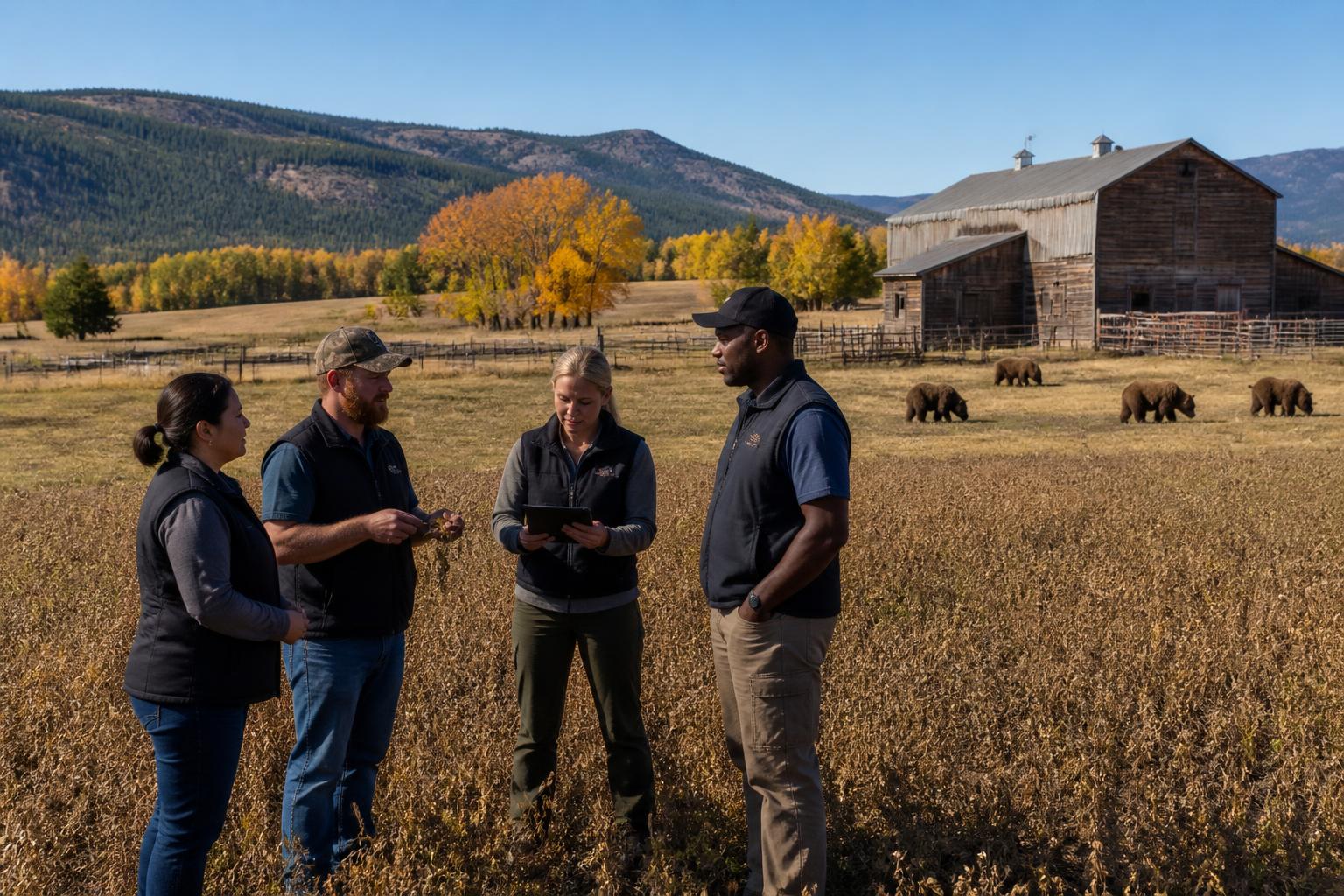
Expanding Local Processing Capacity
As the Montana harvest season hits its stride, recent developments in regional infrastructure are drawing attention from local grain handlers and producers alike. Notably, the expansion of pulse processing facilities, such as the upcoming pulse processing capacity at Pardue Grain, marks a significant shift for the state's agricultural supply chain. By keeping more of the processing load within the state, producers may find more localized options for moving their product, potentially reducing the reliance on long-haul transit corridors that can become bottlenecked during peak harvest months.
Aligning Logistics with Regional Demand
The movement of grain is always a complex puzzle in Montana, where geography and seasonal traffic patterns necessitate precise planning. As producers finalize their late-season field work, keeping a close eye on grain transit corridors remains essential for timely delivery. The integration of increased local processing capacity often aligns with broader trends in precision agriculture, where better data management and localized logistics can improve the overall efficiency of the farm-to-elevator pipeline.
Modernizing Montana's Ag Strategy
Beyond immediate logistical adjustments, the broader industry continues to adapt through technological education and strategic business leadership. With recent regulatory and operational shifts occurring this fall, staying informed is critical for operational stability. Whether it is through new precision ag training or taking active leadership roles in agricultural business associations, Montana producers are increasingly focused on leveraging local strengths to mitigate the risks posed by fluctuating global market shares.
What it means for the market
For Montana agribusinesses and grain handlers, these shifts suggest a move toward a more resilient, localized supply chain. While global factors like soybean export competition remain on the horizon, the focus on enhancing domestic pulse infrastructure provides a buffer. Producers should prioritize monitoring local facility intake schedules and transit corridor congestion reports as they move their crops to storage or market in the coming weeks.
Comments
No comments yet - be the first to share your take.