
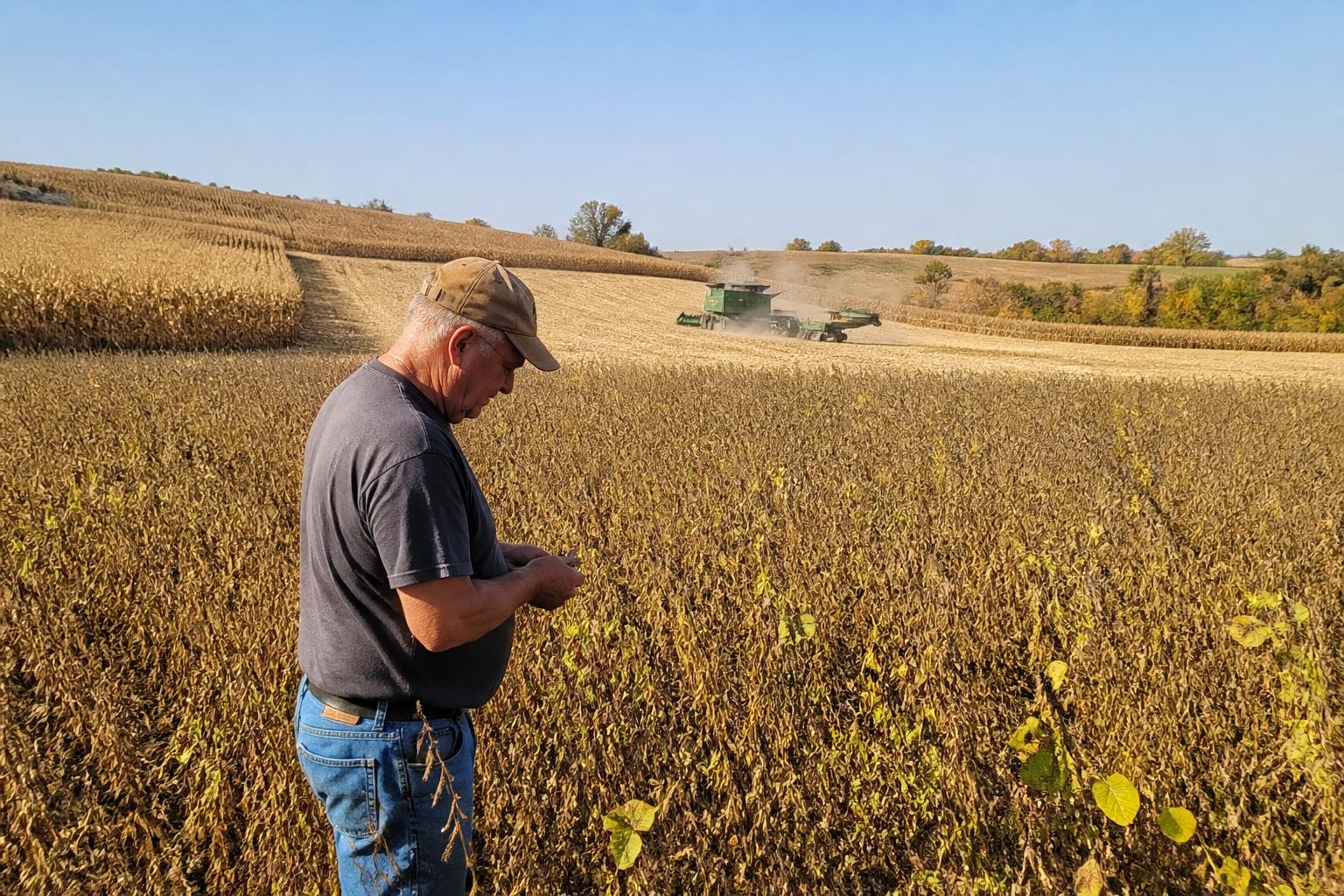
The Iowa harvest is gaining momentum across the state, with producers balancing the urgency of the fields against a complex economic backdrop. As machinery moves through the countryside and grain reaches local delivery points, the emphasis for many agribusinesses and operators has shifted toward optimizing logistics and streamlining the supply chain. Ensuring that harvest operations remain uninterrupted is critical, especially when margins are feeling the squeeze of broader economic cycles.
Maintaining equipment readiness and efficient material handling is paramount during this high-activity season. With the integration of new digital tools and logistics applications designed to support field operations, producers are looking for ways to reduce downtime. These technologies can help manage the flow of grain from the combine to the elevator, a process that is often the most significant bottleneck during peak harvest periods.
Infrastructure and Operational Resilience
Beyond the field, the stability of the local supply chain remains a central theme for Iowa’s agricultural sector. Developments in state rail infrastructure, including certified sites designed to accommodate high-volume rail traffic, offer a promising outlook for long-term grain storage and movement. However, in the immediate term, the focus remains on local elevator capacity and the ability of regional transport networks to handle the seasonal influx of product.
For those managing input costs or looking at structural changes to their farming operations, the current market climate necessitates a close look at all potential efficiencies. Whether it is through new partnerships in the retail sector aimed at refining supply chain profitability or leveraging state-specific infrastructure advantages, the goal for Iowa growers is to maintain a stable footing despite broader economic headwinds.
Logistical Considerations for the Fall Season
- Equipment Coordination: Utilize digital scheduling tools to minimize idle time for grain carts and trucks during peak harvest days.
- Storage and Handling: Monitor local elevator capacity early in the season to avoid unexpected delivery delays at busy sites.
- Transport Planning: In areas with high traffic density, plan hauling routes to account for potential congestion near rail terminals and grain centers.
What it means for the market: For Iowa producers and grain handlers, the ability to pivot and adapt to logistical challenges during this harvest cycle may be as important as the yield itself. While external factors continue to put pressure on bottom lines, optimizing the movement of product and leveraging regional infrastructure can help maintain operational health throughout the fall.
For deeper insights on how broader economic trends are impacting local operations, read more about navigating shifting demand and policy headwinds in Iowa.
Comments
No comments yet - be the first to share your take.