
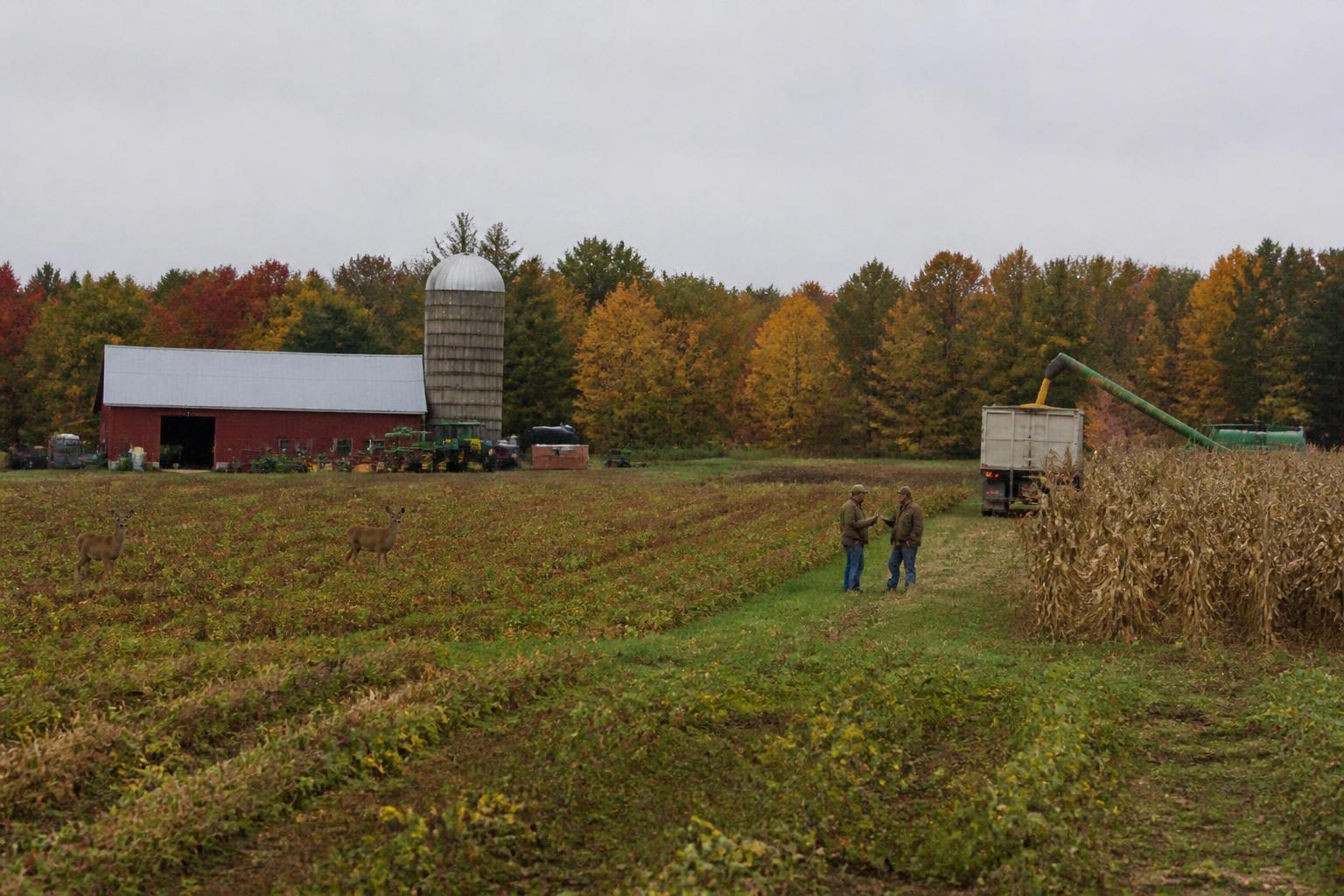
As the fall harvest season accelerates across Michigan, producers are navigating a landscape defined by significant output variability and ongoing operational challenges. With the harvest window open, grain handlers and agribusinesses throughout the state are fine-tuning their logistics to ensure efficient crop movement from the field to local elevators.
Successfully managing the intake of this year's yields requires a proactive approach to transport coordination. For many, this involves strategizing for optimized grain transport to mitigate potential bottlenecks at transloading facilities or port terminals. The focus remains on maintaining steady throughput while monitoring the capacity of localized storage networks as the season progresses.
Managing Seasonal Market and Operational Constraints
Beyond logistics, Michigan agricultural operations are feeling the impact of mixed production forecasts. While certain sectors grapple with specific crop losses, others are contending with rising cost-of-production pressures that complicate forward-selling strategies. Keeping abreast of regional production data is essential for producers aiming to stabilize their margins against unpredictable market support levels.
Protecting Field Assets During Harvest
Field security remains a concern as crops reach maturity. Localized reports of wildlife-related crop damage continue to impact bottom lines, highlighting the need for robust farm management plans that include monitoring and mitigation tactics. Producers are encouraged to keep a close watch on field health and accessibility as equipment traffic increases along rural transport corridors.
What it means for the market
For growers and buyers, the coming weeks are critical for maximizing liquidity and securing space. With harvest-time logistics being the primary driver of regional price fluctuations, aligning transport schedules with elevator availability will be the key to avoiding unnecessary costs. Staying connected with local cooperative updates and transport scheduling tools will remain the most effective defense against the typical volatility seen in Michigan's peak agricultural season.
Comments
No comments yet - be the first to share your take.