
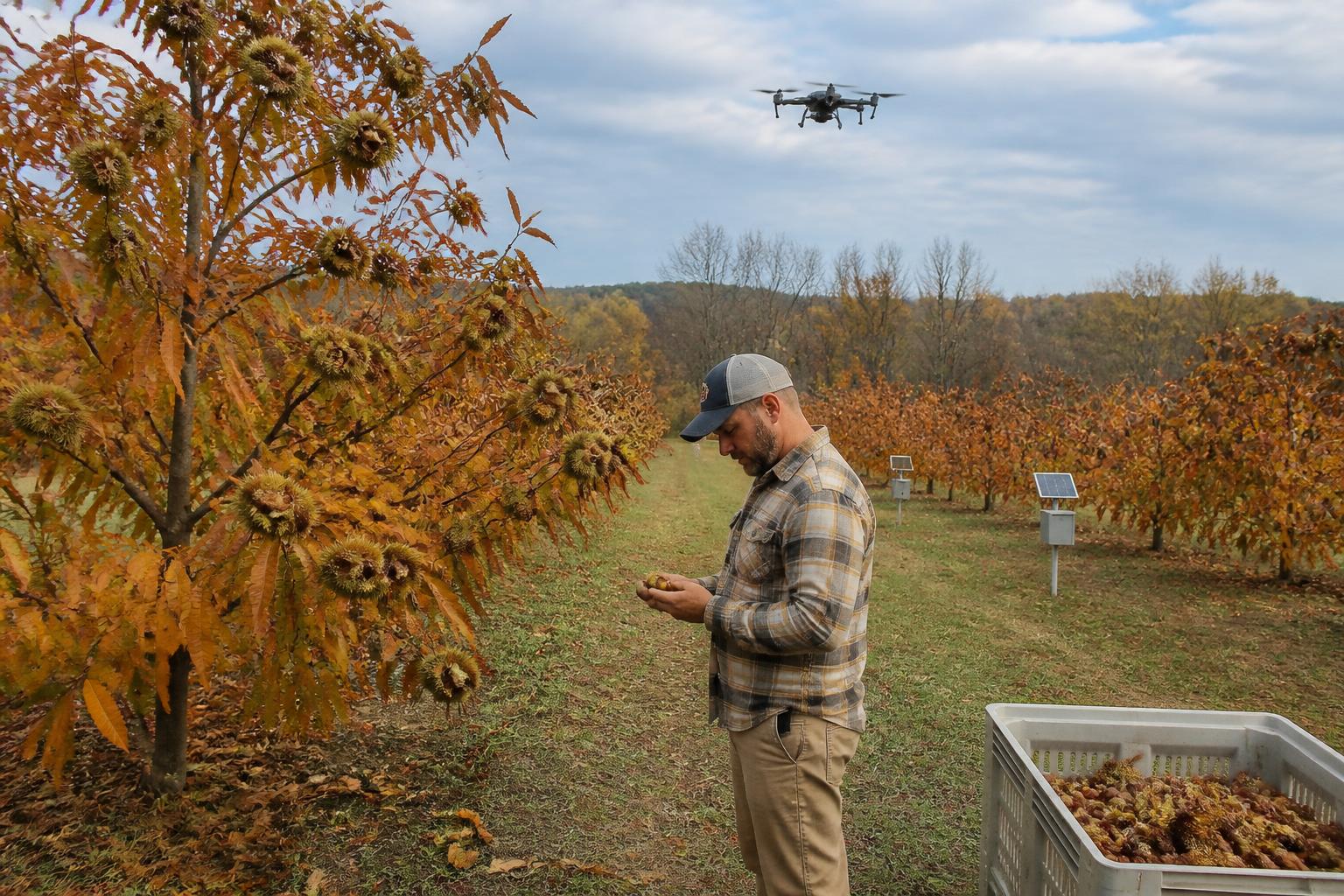
The arrival of fall brings a shift in pace for Michigan producers as harvest activities ramp up across the state. With field operations transitioning from mid-season management to full-scale collection, the focus for agribusinesses and farmers alike turns toward streamlining logistics to ensure timely movement of commodities from the field to storage or local processing centers.
Efficient grain market logistics often require a proactive approach to transport bottlenecks. As seasonal demand for trucking services peaks, securing reliable haulers early remains a critical step for maintaining flow. Producers in major agricultural corridors, from the fertile fields of the southern counties to the diverse growing regions of the north, may find that integrating modern tracking technology can offer better visibility into equipment location and transit times, ultimately helping to minimize downtime during the narrow harvest window.
Infrastructure and Regional Coordination
Infrastructure preparedness is essential as Michigan producers look to maximize the utility of local road networks and regional storage facilities. Whether dealing with traditional grains or niche products, maintaining clear communication with regional grain elevators and downstream processing entities can assist in aligning expectations for delivery volume. This coordination often helps mitigate local congestion during the height of the harvest season.
Building Resilience into Harvest Operations
Beyond immediate transport concerns, many operations are evaluating how recent shifts in supply chain tools can enhance their bottom line. The adoption of new, frictionless rail-to-road logistics platforms may provide a secondary avenue for moving larger volumes of product more effectively. Furthermore, as producers look to manage post-harvest requirements, integrating strategic nutrient planning and soil maintenance, such as through active fall fertilizer strategies, ensures that logistics efforts are part of a broader, year-round operational success plan.
What it means for the market: The current logistical landscape in Michigan emphasizes the need for flexibility and advanced planning. By focusing on equipment readiness and leveraging modern supply chain solutions, producers can better insulate their operations from seasonal volatility, ensuring that product reaches its destination efficiently despite the intense pressures of the harvest period.
Comments
No comments yet - be the first to share your take.