
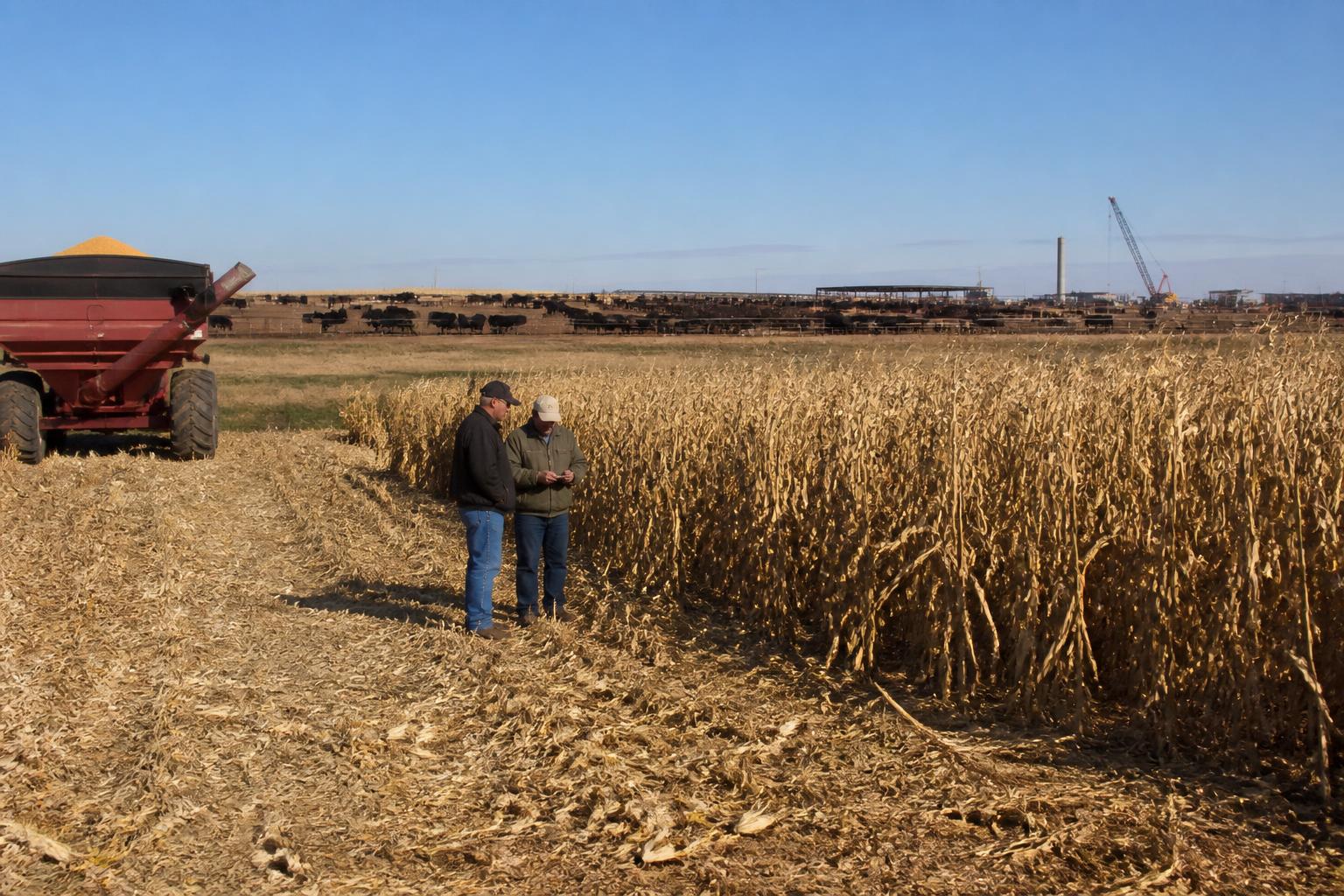
Harvest Realities and Yield Concerns
As Nebraska moves deeper into the fall season, producers across the state are focusing on the critical window of harvest. While local operations are underway, the season remains marked by ongoing concerns regarding moisture levels. In many parts of the state, particularly across western regions, persistent dry conditions have pressured corn yields, influencing revenue expectations for the current cycle. For growers, monitoring field-level data and remaining diligent with yield estimates can be vital as they head to the scales.
For those looking to optimize their positioning in the Nebraska grain market, understanding these regional yield variations is essential. Accurate data collection, including participation in agricultural surveys, continues to be a cornerstone for analysts and producers alike to maintain a clear picture of state-wide production levels.
Infrastructure and Logistical Shifts
Beyond the field, Nebraska's agricultural infrastructure is seeing notable developments that may influence long-term grain handling and input efficiency. New investments in localized production facilities, such as the upcoming fertilizer plant in Holdrege, highlight a shift toward strengthening regional input supply chains. These developments can eventually impact the cost-benefit analysis for local grain handlers and growers, offering potential logistical advantages as these projects come online.
Producers are also managing the intersection of production with broader economic headwinds. Keeping a close eye on market infrastructure and financial factors is becoming a standard practice for agribusinesses looking to hedge against volatility. As the state maintains its position as a leader in cattle feeding, the interplay between feed demand and grain movement remains a pivotal component of the local market's health.
What it means for the market
The Nebraska grain sector is currently navigating a period where operational efficiency is at a premium. With yield uncertainty present in several key growing regions and new infrastructure projects signaling a transition in input availability, producers and grain handlers should prioritize agility. Focusing on local storage management and staying informed about regional supply chain updates will be key to weathering the challenges of this fall harvest season.
Comments
No comments yet - be the first to share your take.