
As the fall harvest season gathers momentum across Nebraska, producers and grain handlers are keeping a close watch on the shifting logistics landscape. With the physical movement of crops from fields to elevators, the stability of regional grain merchandising remains a focal point for the agricultural community. Recent reports underscore the importance of vetting counterparties as the industry navigates operational constraints and supply chain pressures that can complicate seasonal grain flow.
Maintaining secure storage and reliable marketing channels is critical during this period of high volume. In addition to standard storage considerations, local operators are monitoring the impacts of recent supply chain fluctuations that may influence how quickly grain can be moved to processing facilities or river ports. For farmers, ensuring that grain contracts are with stable, transparent entities is more important than ever to mitigate risk during the peak of the marketing year.
Diversifying Revenue and Risk
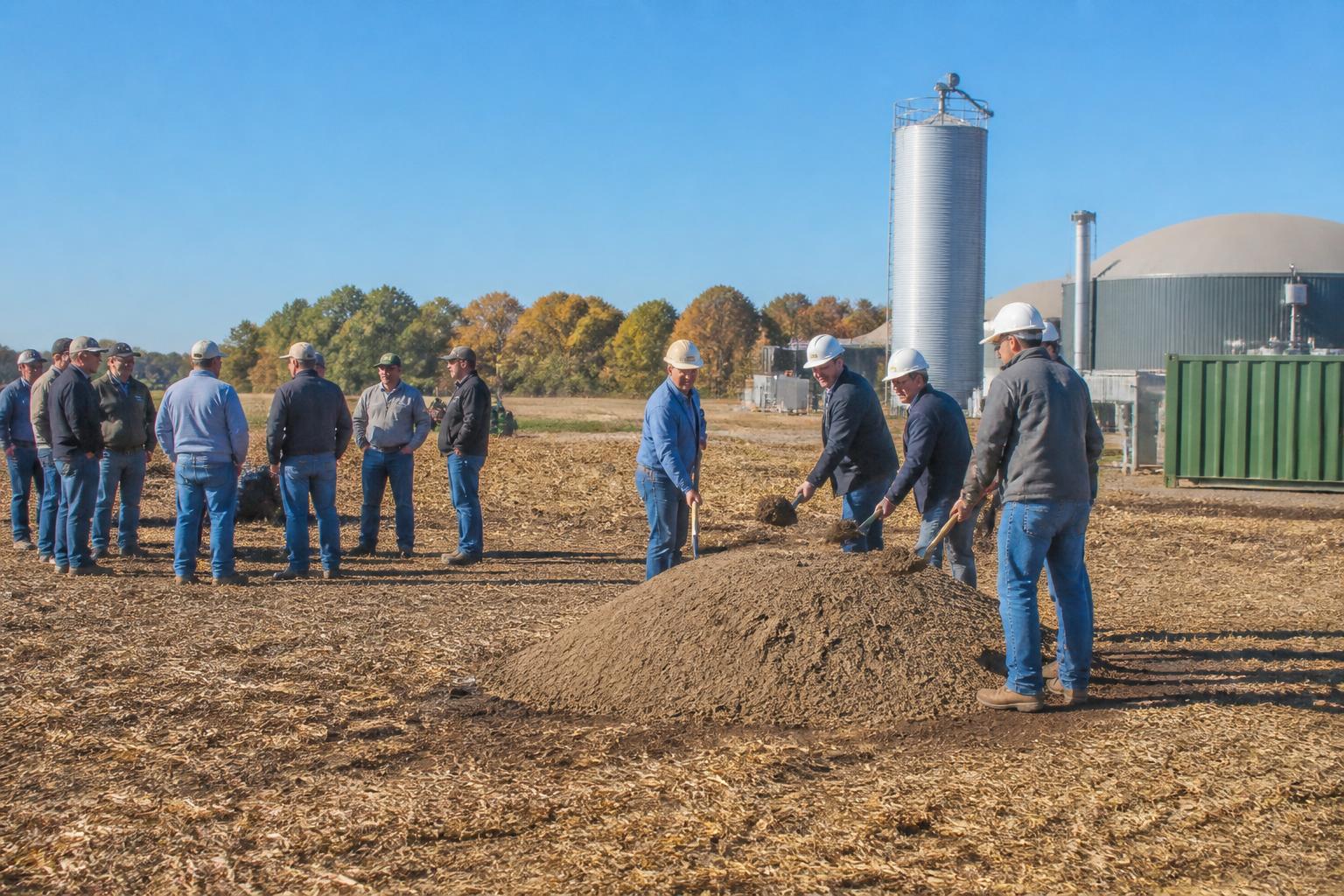
Beyond traditional grain storage and delivery, the integration of new agricultural technologies is beginning to alter the landscape for Nebraska farms. The development of renewable energy infrastructure at regional facilities, such as the new renewable natural gas project at an Adams County feedlot, represents a shift toward more diversified farm-level income streams. These investments are designed to maximize land utility and create value-added opportunities that move beyond simple commodity price cycles.
At the same time, producers are encouraged to carefully evaluate long-term land use, including the uptick in interest for carbon contracts. Whether looking at new energy partnerships or navigating the complexities of land-use regulations, the goal remains the same: protecting the farm's equity against market volatility. Farmers are advised to stay informed on local regulatory updates that impact tax incentives and property rights, as these factors often shift in alignment with the broader national agricultural policy debate.
What it means for the market
For the Nebraska grower, the current environment demands a defensive strategy regarding counterparty risk and a proactive approach to operational efficiency. While farm income may see support from specific commodity segments, the combination of tight margins and the necessity for reliable grain-handling infrastructure suggests that producers should prioritize flexibility. As harvest progresses, local elevator capacity and the financial health of the regional supply chain will be the primary determinants of how smoothly the crop moves from the combine to the global market.
Comments
No comments yet - be the first to share your take.