
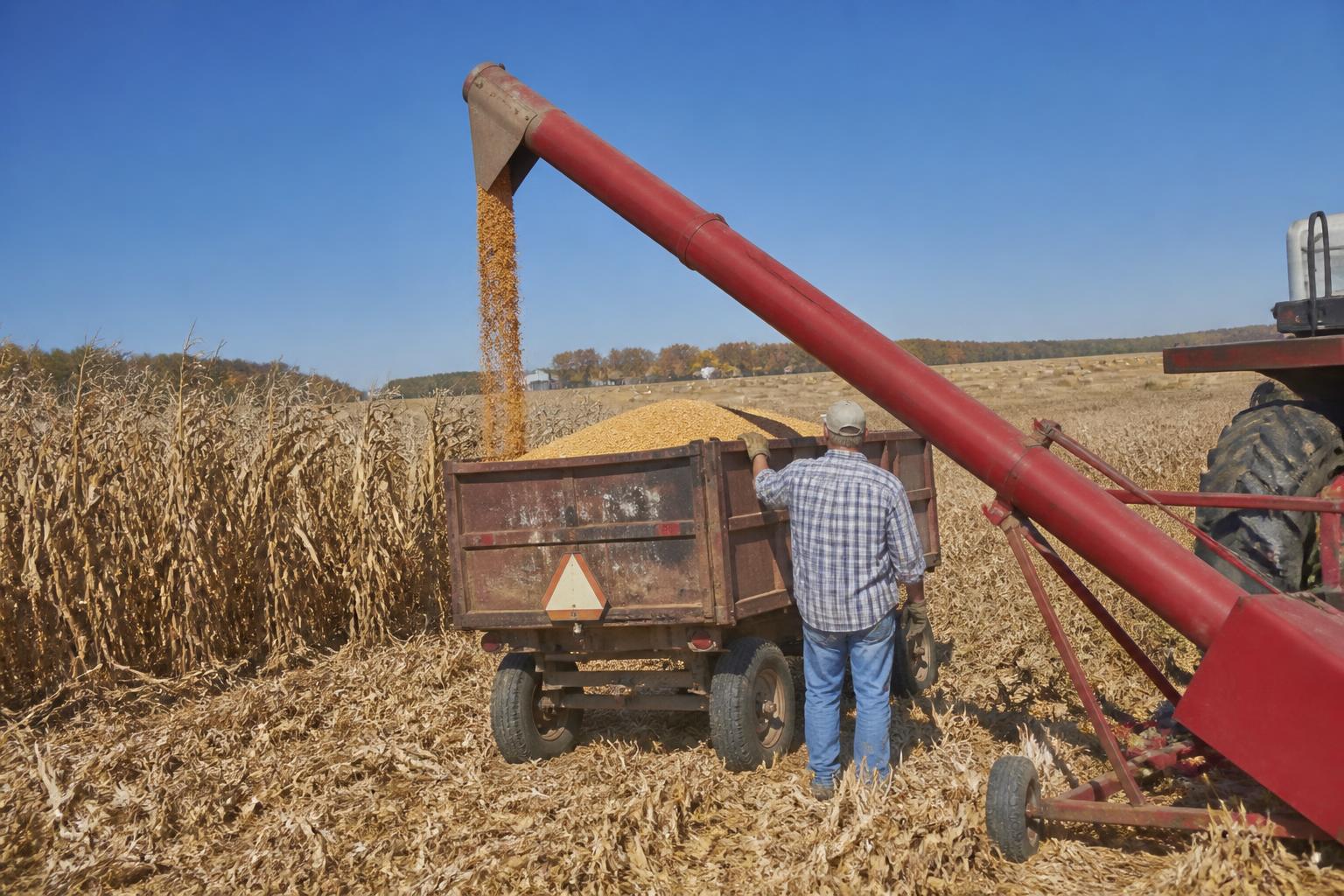
With the fall season in full swing across South Dakota, producers are shifting their primary focus to harvest operations. As combines move through fields, the logistics of moving and securing the crop remain top of mind for many, especially as local elevators manage heavy volumes of grain. Efficiency in the field is being mirrored by a push for optimized transport routes, a critical necessity when navigating the seasonal pressures on regional supply chains.
For those managing South Dakota grain logistics, this time of year often involves tight coordination between on-farm storage and regional facility capacity. Farmers are encouraged to keep a close watch on storage availability as record supply levels from previous cycles have occasionally tightened the margin for error during peak delivery windows.
Regulatory and Market Policy Updates
Beyond the immediate field operations, the legislative landscape in South Dakota has seen notable activity affecting the broader agricultural sector. Recent state-level actions have introduced a moratorium on cell-cultured protein, a development that signals the state's continued emphasis on traditional livestock production. Meanwhile, administrative support for producers continues, with recent federal initiatives providing extensions for crop insurance premium payments to assist those facing financial pressure.
Technological Integration in Local Operations
The arrival of new expertise in precision agriculture at the state level reflects a broader trend of integrating data-driven decision-making into day-to-day farming. As operations scale, the use of advanced mapping and resource management tools may help mitigate some of the operational volatility inherent in regional crop production. These advancements are increasingly vital as growers work to maximize yield potential, particularly when weather conditions during the growing season require precise input management.
What it means for the market: The combination of active harvest logistics and evolving state regulations requires a disciplined approach to both operations and compliance. Producers should maintain clear communication with their regional grain handlers while staying informed on state-level developments that may influence market dynamics in the coming months.
Comments
No comments yet - be the first to share your take.